


Listen to the article
Railway Sabotage in Poland Sparks Security Concerns and Information War
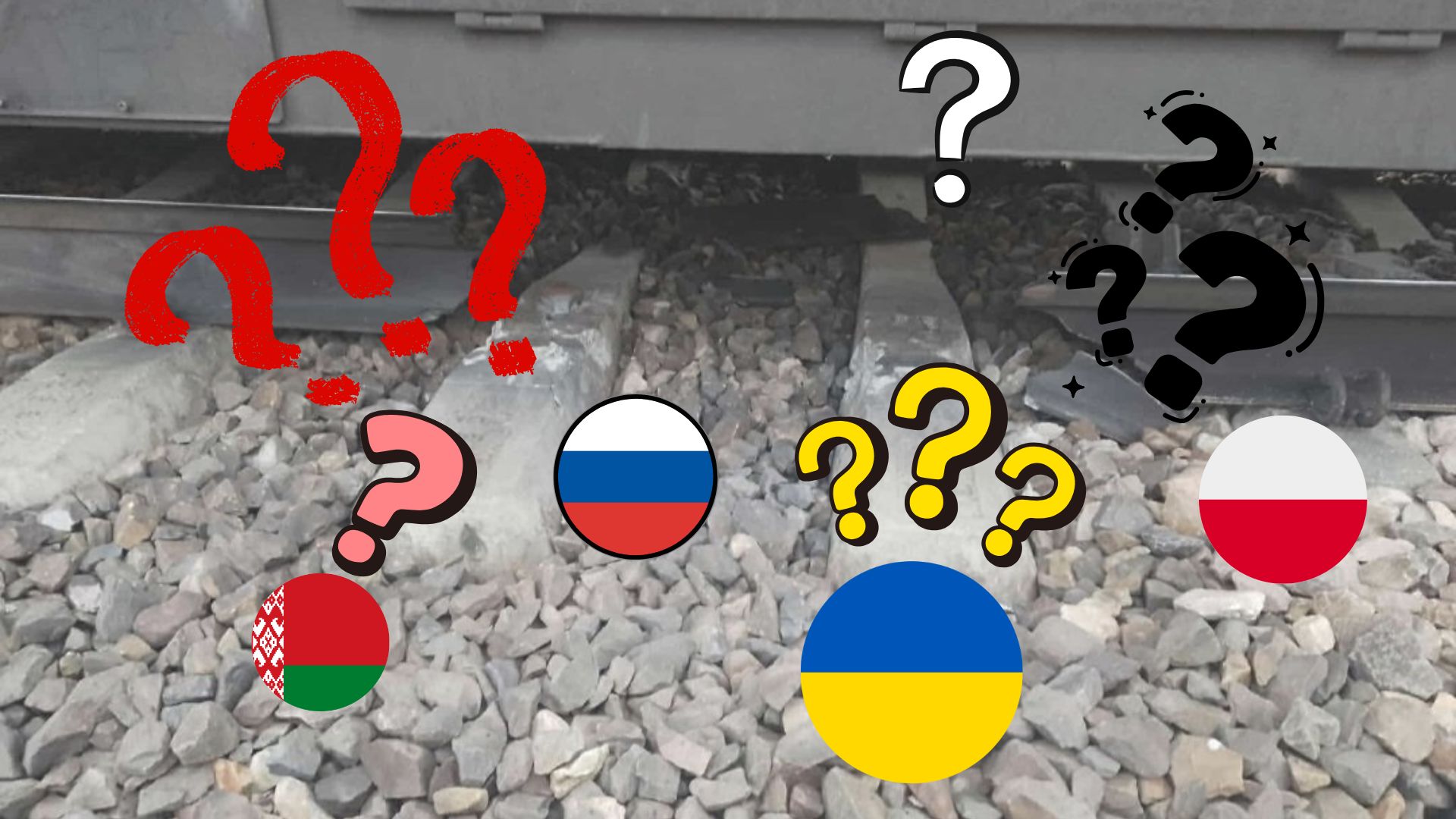
A recent act of sabotage on Polish railways has shocked the public and raised serious questions about national security. The incident near Mika, where perpetrators attempted to cause a train derailment, represents a dangerous escalation from previous attacks that mainly targeted warehouses. The potential for human casualties has significantly raised the stakes in what appears to be an ongoing campaign of hybrid warfare.
Polish authorities are investigating the incident, which has simultaneously triggered an information war on social media and news outlets. An analysis conducted by Res Futura, examining over 14,000 online comments about the railway sabotage, revealed a surprising trend: 42% of commenters attributed the attack to Ukrainian actors, while only 24% blamed Russians.
Security experts note this pattern as consistent with sophisticated disinformation campaigns designed to sow doubt and confusion. The psychological impact is substantial, as studies show people tend to question their own understanding when exposed to numerous alternative narratives.
Popular Polish YouTuber Piotr Zychowicz described the proliferation of alternative theories as “Saigon” – a Polish colloquialism for chaos or disorder. According to Zychowicz, a prevalent narrative emerging online suggests “it is too crude and stupid for the Russians to have done it,” instead framing the incident as “a sophisticated game played by Ukrainian services.”
These alternative narratives typically build upon two foundations: the intuitive belief that authorities are concealing important information, and the supposedly “rational” stance that the obvious culprit is too obvious to be true.
A noteworthy example of narrative manipulation appeared in a November 19, 2025 Radio Wnet interview with columnist Łukasz Warzecha, who has previously expressed skepticism toward Ukrainian interests. Warzecha methodically deconstructed the official version of events, first acknowledging the possibility of Russian involvement before introducing doubt.
“Poland is an easy playing field for various services, not only Russian ones,” Warzecha stated, referring to previous incidents including the Nord Stream pipeline bombing. He proceeded to invoke the classic “cui bono” (who benefits) question, suggesting that Russia might actually be disadvantaged by such attacks since they would immediately be blamed, resulting in increased Polish opposition to Russian interests.
While carefully avoiding direct accusations against Ukraine, Warzecha’s comments nonetheless planted the suggestion by emphasizing he “would not rule out any possibility” regarding which foreign intelligence services might be operating freely in Poland.
The revelation that some perpetrators held Ukrainian citizenship has further complicated the discourse. Security analysts point out that this fact alone is insufficient for attribution, as intelligence operations frequently recruit individuals of various nationalities. The attackers’ backgrounds, previous criminal records, and true loyalties remain largely unexplored in public discussion.
This incident bears similarity to sabotage operations during historical conflicts, where nationality and allegiance were deliberately obscured. Intelligence experts warn that attributing responsibility based solely on citizenship plays into the hands of those orchestrating such attacks.
As Poland strengthens security measures around critical infrastructure, authorities face the dual challenge of preventing future physical attacks while countering the information warfare that follows each incident. The railway sabotage case demonstrates how modern hybrid warfare combines physical threats with sophisticated information operations designed to divide public opinion and undermine institutional trust.
Polish and European security services continue to investigate the incident, emphasizing that attribution in such cases requires thorough intelligence gathering rather than speculation based on limited public information.
Fact Checker
Verify the accuracy of this article using The Disinformation Commission analysis and real-time sources.

16 Comments
The potential for human casualties in this railway sabotage incident is deeply alarming. Authorities must conduct a thorough investigation, strengthen security measures, and work to counter any disinformation campaigns that seek to obscure the truth.
I agree, the safety of the public should be the top priority. Establishing the facts and maintaining public trust through transparent and accountable actions will be crucial in responding to this threat.
This railway sabotage is a troubling escalation in what appears to be an ongoing campaign of hybrid warfare. Poland must take decisive action to secure its critical infrastructure and protect its citizens, while also addressing the information war component.
This railway sabotage incident in Poland is deeply concerning. It’s crucial that authorities conduct a thorough and impartial investigation to uncover the truth and hold the perpetrators accountable, regardless of who is behind it.
I agree, politicizing such a serious security breach only serves to obscure the facts. Let’s hope the investigation provides clarity and helps prevent future attacks.
The potential for hybrid warfare tactics like this railway sabotage is deeply concerning. Poland needs to shore up its critical infrastructure security and work with allies to identify and address vulnerabilities.
The information war surrounding this incident is deeply concerning. Authorities must work quickly to establish the facts, counter any disinformation, and ensure the public has access to reliable, trustworthy information.
Absolutely. Maintaining public trust and confidence in the face of such a serious security breach is critical. Transparency and accountability from officials will be key to navigating this complex situation.
While the details of this railway sabotage are still emerging, it’s clear that the information war surrounding it is a serious concern. Authorities must work quickly to establish the facts and counter any false narratives.
It’s disturbing to see how disinformation campaigns can so effectively sow confusion and doubt, even in the face of a clear security threat. We need to be vigilant and rely on credible, fact-based sources to understand what’s really going on.
Absolutely. Cutting through the noise and misinformation is critical, especially when it comes to matters of national security. Objective analysis from trusted experts is the best way forward.
This railway sabotage is a stark reminder of the evolving nature of threats facing modern societies. Robust security measures, international cooperation, and a commitment to fact-based policymaking will be crucial in combating such challenges.
This incident highlights the importance of media literacy and critical thinking when consuming information, especially around sensitive security matters. We must be wary of alternative narratives that may be part of a broader disinformation campaign.
Well said. Relying on reputable, fact-based sources is crucial to understanding the true nature of threats like this. Jumping to conclusions without solid evidence only plays into the hands of those seeking to mislead.
The potential for human casualties in this incident is deeply worrying. Poland must take decisive action to secure its critical infrastructure and protect its citizens from such reckless and dangerous acts.
I agree, the safety and security of the public should be the top priority. Addressing vulnerabilities and strengthening resilience is essential, while also maintaining a clear and truthful public dialogue.