


Listen to the article
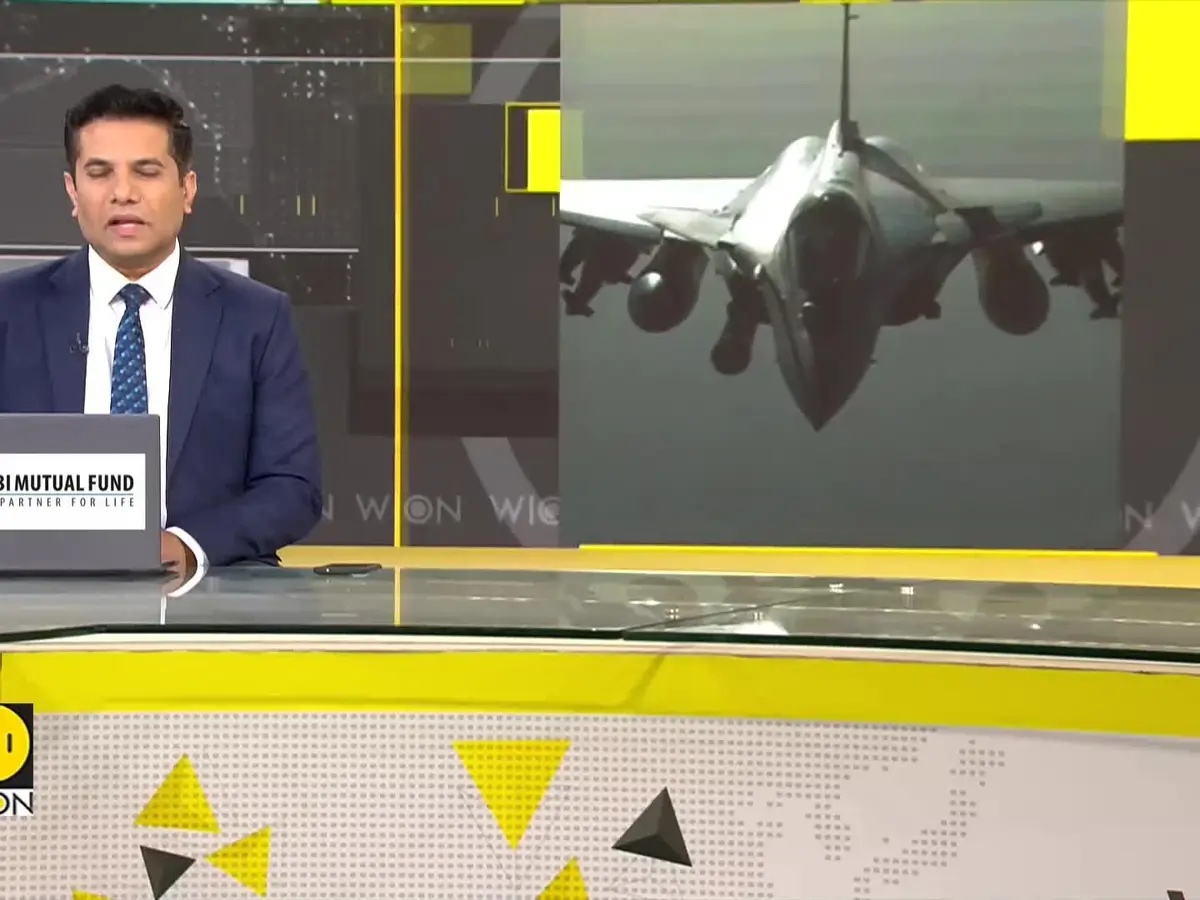
United States intelligence officials have concluded that China orchestrated a sophisticated disinformation campaign aimed at undermining France’s Rafale fighter jets following India’s Operation Sindoor, according to a newly released congressional panel report.
The report, compiled by U.S. security experts, details how Chinese operatives deployed coordinated tactics across multiple platforms to spread false information about the performance and capabilities of the Rafale aircraft. This effort appeared specifically timed to coincide with international attention following the Indian military operation.
Intelligence sources familiar with the matter indicate that the campaign utilized both traditional media outlets and social media platforms to disseminate misleading technical analyses, fabricated performance issues, and manipulated imagery suggesting flaws in the French-manufactured jets. The operation reportedly involved dozens of inauthentic accounts posing as defense experts and military analysts.
“This represents a clear pattern of information warfare designed to undermine Western defense systems that compete with Chinese alternatives in the global market,” said one senior intelligence official quoted in the report. “The timing was not coincidental, but rather calculated to capitalize on heightened media attention during a period of regional tension.”
The Rafale fighter jet, manufactured by French company Dassault Aviation, has been a significant export success in recent years. India finalized a deal worth approximately €7.8 billion in 2016 for 36 Rafale jets, with deliveries completed in 2022. The aircraft has been a cornerstone of India’s air defense modernization program and represents one of France’s most successful military export contracts in the Indo-Pacific region.
Defense analysts suggest China’s motivation appears twofold: undermining confidence in Western military hardware while potentially boosting prospects for Chinese alternatives like the J-10 and J-20 fighter jets, which Beijing has been marketing aggressively to countries in Southeast Asia, the Middle East, and Africa.
“This type of information operation serves both commercial and strategic interests for Beijing,” explained Dr. Rebecca Lingham, an expert on information warfare at the Strategic Studies Institute. “By sowing doubt about the Rafale’s capabilities, China can potentially disrupt future sales while positioning its own aerospace industry as a viable alternative.”
The report highlights sophisticated techniques used in the campaign, including the creation of seemingly authoritative technical analyses that misrepresented the Rafale’s performance metrics and operational capabilities. These were then amplified through networks of coordinated accounts across Twitter, Facebook, and specialized military forums.
French officials have responded to the findings with concern. A spokesperson for the French Ministry of Defense stated, “We take these allegations very seriously. The Rafale’s combat record and performance speak for themselves, but we recognize the damage that coordinated disinformation can cause in today’s information environment.”
The Indian Air Force has similarly dismissed the claims propagated during the disinformation campaign, reaffirming its confidence in the Rafale platform. Air Marshal Vikram Singh noted at a recent press briefing that the aircraft “has exceeded expectations in operational deployments and training exercises.”
This revelation comes amid growing international concern about state-sponsored disinformation campaigns targeting defense and security sectors. Similar operations have been documented targeting other Western defense systems, including the F-35 Joint Strike Fighter program and various missile defense systems.
The congressional panel has recommended enhanced counter-disinformation cooperation between the United States and its allies, particularly in the defense sector. The report suggests establishing dedicated units to monitor and rapidly respond to such campaigns before they gain traction in international media.
For Dassault Aviation, the French manufacturer of the Rafale, the findings underscore challenges facing Western defense contractors in an increasingly contested information environment. The company has recently secured additional export contracts with Greece, Croatia, and the United Arab Emirates, indicating that the disinformation campaign has not significantly hindered its international marketing efforts.
Security experts warn that such operations are likely to increase in sophistication and frequency as competition in the global arms market intensifies, particularly as emerging powers like China seek to establish their defense industries as credible alternatives to traditional Western suppliers.
Fact Checker
Verify the accuracy of this article using The Disinformation Commission analysis and real-time sources.

14 Comments
The revelation of China’s coordinated effort to discredit the Rafale jets is deeply concerning. It speaks to the need for enhanced international cooperation and information-sharing to combat these threats.
Agreed. Maintaining transparency and public trust in defense capabilities is crucial, and countering adversarial disinformation must be a top priority for policymakers and defense experts.
The use of coordinated social media and media manipulation to discredit the Rafale jets is concerning. It speaks to China’s willingness to employ aggressive information warfare tactics.
Absolutely. This raises questions about China’s broader strategic goals and the need for improved defense intelligence and public awareness efforts.
This report highlights China’s willingness to engage in sophisticated information warfare to undermine the global competitiveness of Western defense systems. It’s a stark reminder of the complex strategic landscape.
Absolutely. Vigilance and robust fact-checking will be essential to exposing and mitigating the impact of such disinformation campaigns going forward.
This report underscores the importance of robust defense intelligence and the need to proactively address emerging information warfare tactics. Maintaining the credibility of Western defense systems is critical.
Well said. Disinformation campaigns can have far-reaching consequences, and a coordinated, multi-stakeholder approach is essential to effectively counter these threats.
The scale and sophistication of China’s disinformation campaign against the Rafale jets is deeply concerning. It’s a stark reminder of the complex geopolitical landscape and the need for heightened vigilance.
Absolutely. Combating such information warfare tactics requires a comprehensive strategy involving government, industry, and civil society. Maintaining the integrity of defense capabilities is of paramount importance.
Interesting to see how China is employing sophisticated disinformation tactics to undermine foreign defense systems. This highlights the need for greater transparency and fact-checking in the defense industry.
You’re right, disinformation campaigns can have serious geopolitical implications. Careful scrutiny of claims and sources is crucial to countering these efforts.
It’s alarming to see China actively spreading misinformation about a Western defense system like the Rafale. This underscores the geopolitical competition and technology rivalries at play.
Yes, this is a worrying development. Maintaining the integrity of defense capabilities is critical, and countering disinformation must be a top priority.