


Listen to the article
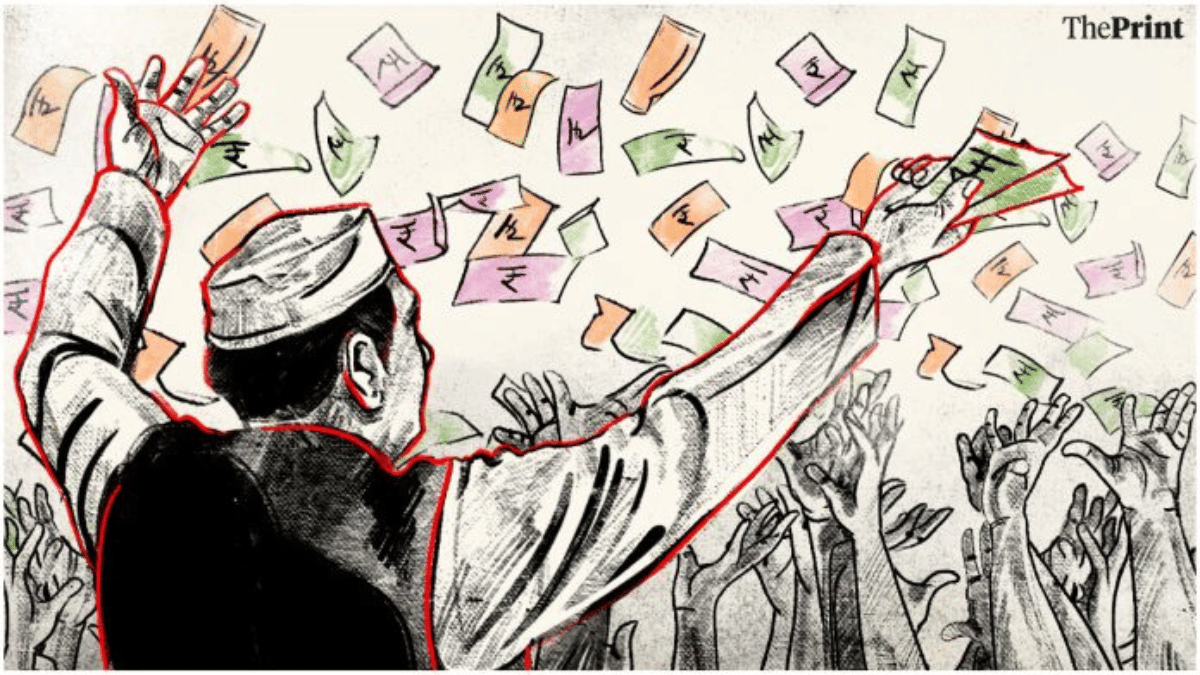
In a significant shift transforming India’s political landscape, traditional campaign tactics are losing their effectiveness as voters increasingly demand substantive governance over empty promises. This evolution in voter expectations was starkly evident in the recent Bihar elections, where citizens demonstrated they are no longer easily swayed by the once-reliable formula of freebies, divisive rhetoric, and class exploitation.
The Bihar election results signal a profound change in India’s democratic fabric. Voters across the state rejected hollow campaign promises in favor of candidates who articulated concrete plans for economic growth, enhanced purchasing power, and improved access to essential services. This reflects a broader national trend where an increasingly informed electorate is prioritizing tangible development outcomes over political theatrics.
“Development must be tangible, inclusive, and future-focused,” appears to be the new mandate from voters who have grown weary of incremental progress and unfulfilled commitments. This shift comes as India’s middle class expands and citizens gain greater access to information through digital platforms, enabling more critical assessment of political claims and governance records.
Perhaps the most remarkable aspect of the Bihar elections was the decisive impact of women voters. Empowered through various initiatives including education programs, self-help groups, and targeted welfare schemes, women have emerged as a powerful electoral bloc capable of determining election outcomes. Political parties across the spectrum are now recognizing that gender-sensitive governance is not merely a progressive ideal but a practical necessity for electoral success.
The rising influence of women in electoral politics represents a fundamental realignment of power dynamics in a state traditionally dominated by caste and community considerations. Parties that fail to address women’s concerns—from safety and economic independence to representation in decision-making—do so at their peril.
Another crucial lesson from Bihar is the importance of coalition discipline and governance credibility. Parties that demonstrated internal cohesion, maintained consistent messaging, and fulfilled previous promises gained significant advantages. The election underscored that voters are increasingly sophisticated in their political assessments, rewarding those who deliver and punishing those who merely promise.
Opposition forces across India now face an existential challenge. Fragmented alliances and reactive political strategies are proving insufficient against well-organized ruling coalitions. To remain relevant, opposition parties must rebuild their grassroots networks, develop clear alternative visions for governance, and sharpen their messaging to connect with voters’ evolving aspirations.
The election results also highlight the urgent need for rural development and employment opportunities. Migration from rural Bihar to other parts of India has long been a significant socioeconomic issue, reflecting limited local opportunities. Political commentators suggest that successful parties will need to implement comprehensive job-skilling programs targeted at rural populations to address this challenge.
Moreover, voters demonstrated increasing frustration with bureaucratic inefficiencies. Parties that proposed concrete reforms to improve administrative responsiveness scored points with an electorate tired of navigating cumbersome government processes.
As India moves further into the 21st century, the Bihar elections may well be remembered as a watershed moment in the country’s democratic evolution. The message from voters is unambiguous: the politics of empty promises, identity-based mobilization, and short-term freebies is yielding to demands for sustainable development, inclusive growth, and responsive governance.
Political parties now stand at a crossroads. Those clinging to outdated electoral formulas risk being sidelined by an increasingly discerning electorate. Those who adapt—placing women’s empowerment, credible governance, and disciplined coalition-building at the center of their strategies—are likely to find themselves aligned with the evolving aspirations of the Indian people.
Fact Checker
Verify the accuracy of this article using The Disinformation Commission analysis and real-time sources.

6 Comments
Interesting perspective on the changing media landscape in India. Voters seem to be demanding more substance and less empty rhetoric from politicians. It will be fascinating to see how this trend continues to play out in future elections.
This article raises important questions about the role of media integrity and the need for substantive, fact-based reporting, especially during election cycles. Maintaining public trust in the political process is crucial for a healthy democracy.
The Bihar election results highlight an important shift – voters are increasingly prioritizing real, tangible progress over short-term freebies and divisive tactics. This reflects a maturing democracy where citizens are more informed and discerning.
Absolutely. As India’s middle class grows and access to information expands, we can expect to see voters become even more discerning about the qualifications and policy platforms of candidates.
The shift away from empty promises and towards a focus on tangible development outcomes is an encouraging sign for India’s democracy. Voters seem to be demanding more from their leaders, which can only lead to better governance in the long run.
I’m curious to see if this trend of prioritizing concrete plans and governance over political theatrics will continue to gain momentum across India. It could have significant implications for the country’s political landscape in the years ahead.