


Listen to the article
Federal charges have been announced against three prominent figures following a controversial protest at a church service last weekend. Civil rights attorney Nekima Levy Armstrong, St. Paul School Board member Chauntyll Allen, and social media personality William Kelly were arrested and detained overnight, identified by authorities as the “ring leaders” of an anti-ICE demonstration.
All three individuals were ordered released by a federal judge on Friday. By mid-afternoon, both Levy Armstrong and Allen had been freed from custody.
The case has drawn significant public attention, particularly after images of Levy Armstrong’s arrest began circulating widely on social media. However, controversy erupted when it was discovered that one widely-shared image had been digitally altered by the White House using artificial intelligence.
When confronted about the manipulated image, the White House defended its actions, stating they would continue using AI to create “memes” for social media distribution. This admission has sparked outrage among media ethics experts and civil rights advocates.
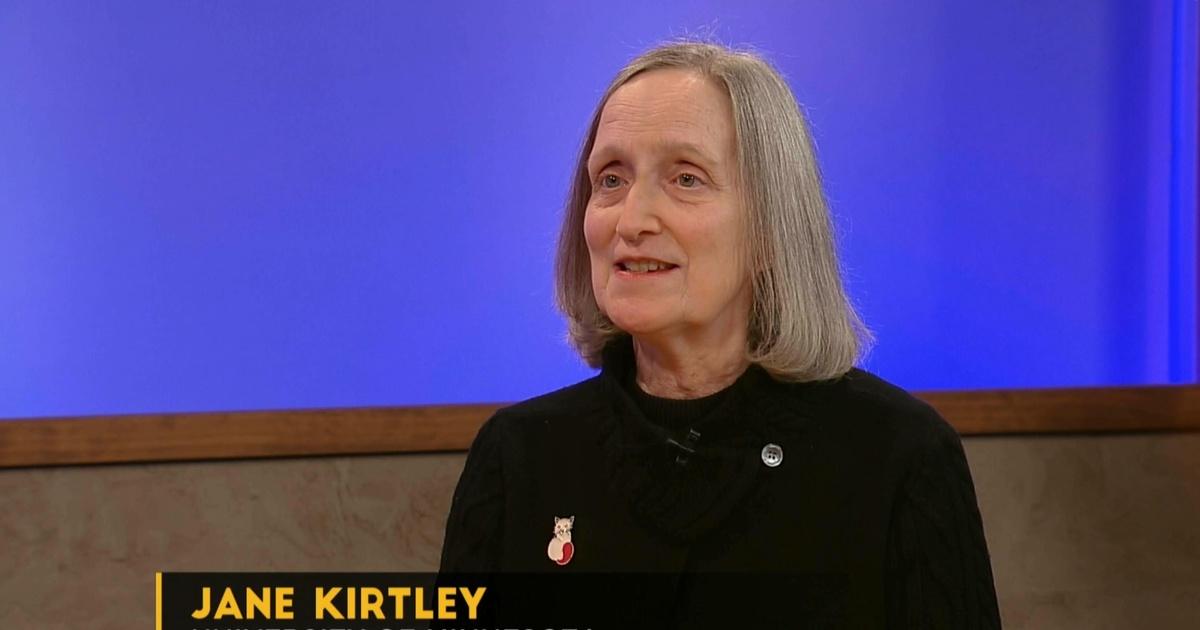
Jane Kirtley, director of the Silha Center for the Study of Media Ethics and Law at the University of Minnesota, described the White House’s actions as “brazen” and “outrageous.”
“The fact that they would say, ‘Oh, it’s a meme,’ means it’s one of these situations where they’re saying it’s humorous, not to be taken seriously,” Kirtley explained. “It’s also incredibly stupid because they had released the correct photo in the first instance, so by releasing this one, they just set themselves up for exactly what happened, which was a social media explosion.”
The incident highlights a growing trend in political communication where digital manipulation is increasingly normalized. While governments have historically managed information carefully, Kirtley argues this represents “a new level” of misinformation that poses fundamental dangers to democratic discourse.
“How can we possibly have a serious discussion about policy if we can’t have some facts that we can agree on?” Kirtley questioned. She drew parallels to rhetoric from the previous Trump administration about “alternative facts” and “fake news,” noting the irony that “we now have this administration essentially engaging in the very same things it was accusing others of doing.”
Media experts are particularly concerned about the psychological impact of manipulated imagery. Visually striking memes can significantly influence public opinion, especially among consumers who primarily obtain information from limited or partisan sources. Such images tend to reinforce existing beliefs and can be particularly memorable.
From a legal standpoint, the First Amendment provides broad protections for speech, including false statements in most contexts. “The Supreme Court has said that we have a right to lie under the Constitution,” Kirtley noted, explaining that these protections extend to government communications with few exceptions.
Critics suggest this approach to information management may be strategic rather than accidental. “I have no doubt that it’s deliberate,” Kirtley stated. “It’s propaganda. It’s the kind of thing that we’ve seen in autocratic countries around the world. And it’s all about shifting the sands under people so they really don’t know quite what to believe.”
Regarding the original church protest that led to the arrests, legal experts note the complexity of First Amendment protections in religious spaces. The protesters face charges under the Freedom of Access to Clinic Entrances (FACE) Act, legislation originally designed to prevent intimidation at religious facilities.
“Do people have a right to protest in a church?” Kirtley questioned. “One of the arguments is, ‘We were invited in.’ Well, you were invited in for what purpose? Was it to protest? And if that wasn’t the purpose, then you might have a trespass charge. But the notion that this is terrorism, which is essentially what the FACE Act is about, seems to me to be overreach here.”
Kirtley predicts these federal charges are unlikely to stand as the case proceeds through the courts.
Fact Checker
Verify the accuracy of this article using The Disinformation Commission analysis and real-time sources.

12 Comments
The White House’s admission is deeply troubling. We need a robust public debate about the appropriate use of AI in government and the need for clear ethical guidelines to prevent such abuses of power.
I hope this incident serves as a wake-up call and leads to meaningful reforms. We need stronger safeguards and transparency around the use of AI in government operations to protect our democratic values.
This is a concerning development. The use of AI to manipulate images and spread disinformation is deeply troubling. We need to be vigilant about fact-checking and holding those in power accountable.
This is a concerning trend that deserves closer scrutiny. I’m curious to learn more about the legal and ethical implications of using AI for propaganda purposes. What can be done to prevent such abuses in the future?
While I appreciate the efforts to combat disinformation, the White House’s actions here are unacceptable. We need to find a way to address these challenges without resorting to the very tactics we’re trying to fight against.
I’m glad the judge ordered the protesters’ release. While the tactics used by authorities are worrying, I hope the legal system will uphold civil liberties and the right to peaceful protest.
Agreed. Peaceful protest is a fundamental right, and we must defend it against government overreach.
The White House’s admission of using AI to create ‘memes’ is alarming. This sets a dangerous precedent and erodes public trust. We need robust regulations to prevent the misuse of these technologies.
This is a complex issue with no easy solutions. However, we must remain vigilant and continue to hold our leaders accountable. The integrity of our democratic institutions depends on it.
While the protesters’ actions may have been controversial, the government’s response seems heavy-handed and counterproductive. We must find ways to address these issues through open dialogue and respect for civil liberties.
I’m curious to learn more about the specific tactics and technology used by ICE in these operations. What AI models were leveraged, and how prevalent is this practice across government agencies?
This is deeply troubling. The use of AI to manipulate information and target activists is a serious abuse of power. We must remain vigilant and demand accountability from our elected leaders.