


Listen to the article
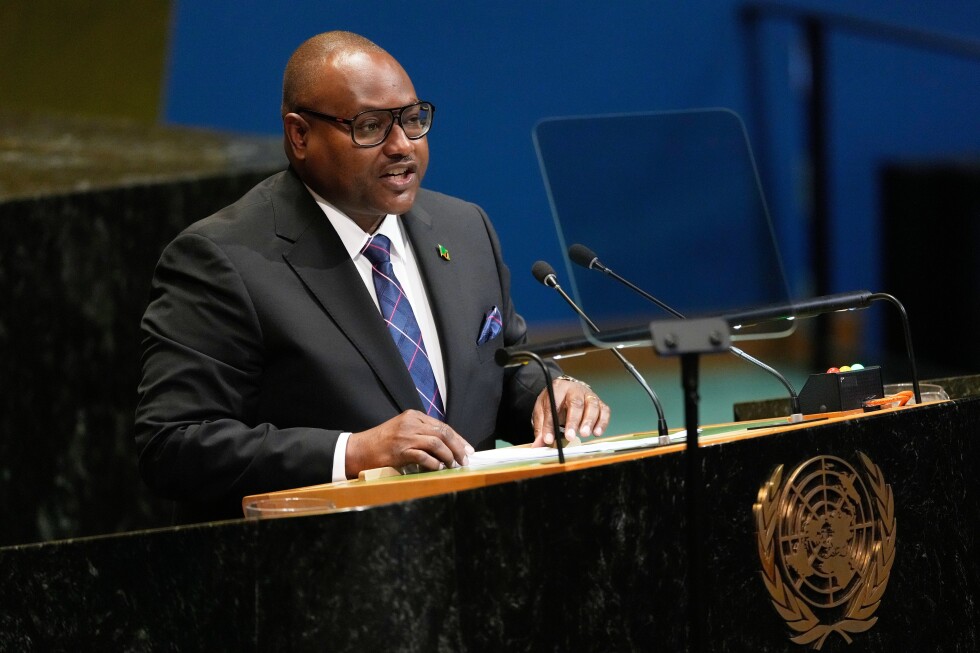
Zambia has publicly accused the United States of attempting to leverage a $2 billion health assistance deal to gain preferential access to the country’s valuable mineral resources, marking a significant diplomatic rift between the nations. Foreign Affairs Minister Mulambo Haimbe described outgoing U.S. Ambassador Michael Gonzales’ allegations of corruption as “mischievous” and “undiplomatic,” bringing to light tensions over the Trump administration’s “America First” approach to foreign aid.
The dispute highlights a fundamental shift in U.S. aid policy toward Africa, transforming decades of humanitarian assistance into transactional agreements that African leaders and health experts have increasingly criticized. The new approach comes as the U.S. seeks to counter China’s dominant economic presence in Zambia and across the African continent, particularly regarding access to minerals crucial for green energy technologies.
According to Haimbe, negotiations have stalled over what he termed “unacceptable” data-sharing demands that would violate citizens’ privacy rights, coupled with U.S. insistence on preferential treatment regarding Zambia’s critical minerals. “Zambians must have a say on how her critical minerals are used, and second that no one strategic partner is to be treated preferentially to others,” Haimbe stated.
Ambassador Gonzales had previously accused Zambian officials of diverting government funds “to their own pockets” while letting the U.S. pay for healthcare. He claimed Zambian authorities had ignored U.S. overtures to finalize a new agreement, charges that have now provoked a formal diplomatic response.
This confrontation represents part of a broader pattern as the U.S. replaces long-standing aid programs, including the dismantled United States Agency for International Development and the President’s Emergency Plan for AIDS Relief (PEPFAR), with country-by-country agreements that impose various conditions. These range from commercial provisions and domestic financing commitments to disease surveillance and pathogen sharing requirements.
Since late 2023, Washington has signed similar agreements with approximately 30 countries, primarily in Africa. U.S. officials defend this approach as a means to reduce donor dependency, promote local ownership, and safeguard American interests against China’s growing influence.
However, resistance to these new terms is spreading across the continent. Ghana recently rejected a proposed deal over concerns about access to sensitive health data without adequate safeguards. Zimbabwe walked away from a $367 million package citing similar privacy issues. In Kenya, courts have temporarily halted implementation of a $2.5 billion agreement signed in December pending resolution of data protection concerns.
Health experts have raised alarms about the one-sided nature of these data-sharing arrangements. Asia Russell, executive director of advocacy group Health GAP, noted that after the U.S. withdrew from the World Health Organization in January, it began seeking bilateral channels to ensure continued access to disease surveillance data and biological samples.
“The U.S. wants to understand what’s actually happening,” explained Jen Kates, senior vice president at the Washington-based nonprofit KFF, “but they are trying to do it in a very different way.”
Critics warn this approach risks creating a parallel global health system that potentially excludes recipient countries from the benefits of their own data. When terminating negotiations with the U.S., a Zimbabwe government spokesperson cited the lack of “corresponding guarantee of access to any medical innovations—such as vaccines, diagnostics, or treatments—that might result from that shared data.”
This concern resonates strongly across Africa following experiences during the COVID-19 pandemic, when African nations contributed data and samples but were largely last in line for vaccine distribution.
The agreements have also been criticized for their lack of transparency. “Secrecy is at the center of this. That puts accountability for results at risk,” said Health GAP’s Russell. “It’s impossible to evaluate these deals properly without seeing the full terms. Part of what made PEPFAR successful was transparency. Now that’s been taken away.”
Many of the new agreements include reduced funding compared to previous U.S. assistance levels while simultaneously requiring countries to increase their domestic health spending—with aid potentially withdrawn if targets aren’t met.
As health increasingly becomes entangled with commercial and geopolitical interests, advocates warn of dangerous consequences. “When health becomes a bargaining chip,” Russell cautioned, “everyone becomes less safe.”
Fact Checker
Verify the accuracy of this article using The Disinformation Commission analysis and real-time sources.

9 Comments
The U.S. trying to leverage health aid for mineral access seems like a concerning shift in foreign policy. Developing countries need support, not exploitation of their natural resources.
It’s concerning to see the U.S. potentially leveraging health funding for mineral rights in Zambia. Countries should not have to choose between critical aid and control over their natural resources.
This is a complex issue, but Zambia’s concerns about the U.S. trying to access their minerals through the health deal are understandable. Partnerships should be based on mutual respect, not unequal power dynamics.
Zambia’s accusation that the U.S. is trying to tie the $2B health deal to mineral access is alarming. Countries should not have to trade away their natural resources in exchange for critical aid and assistance.
I agree, the U.S. should not be using aid as a bargaining chip for mineral rights. Zambia deserves to have sovereignty over its own resources.
Attempting to gain mineral access through health aid deals is an alarming misuse of development assistance. The U.S. should reconsider this approach and focus on true partnerships that respect Zambia’s sovereignty.
The U.S. ‘America First’ approach to foreign aid is troubling. Zambia is right to push back against any attempts to tie critical health funding to preferential mineral access. Development aid should not come with strings attached.
Exactly, foreign assistance should be provided unconditionally to support the wellbeing of citizens, not to extract resources. Zambia deserves to control its own mineral wealth.
This dispute over the health deal and mineral access highlights the complex geopolitical dynamics in Africa. It’s concerning to see the U.S. potentially leveraging aid for preferential mineral rights, rather than a true partnership approach.