


Listen to the article
British Government Defends BBC Amid Trump Lawsuit Threat Over Edited Speech
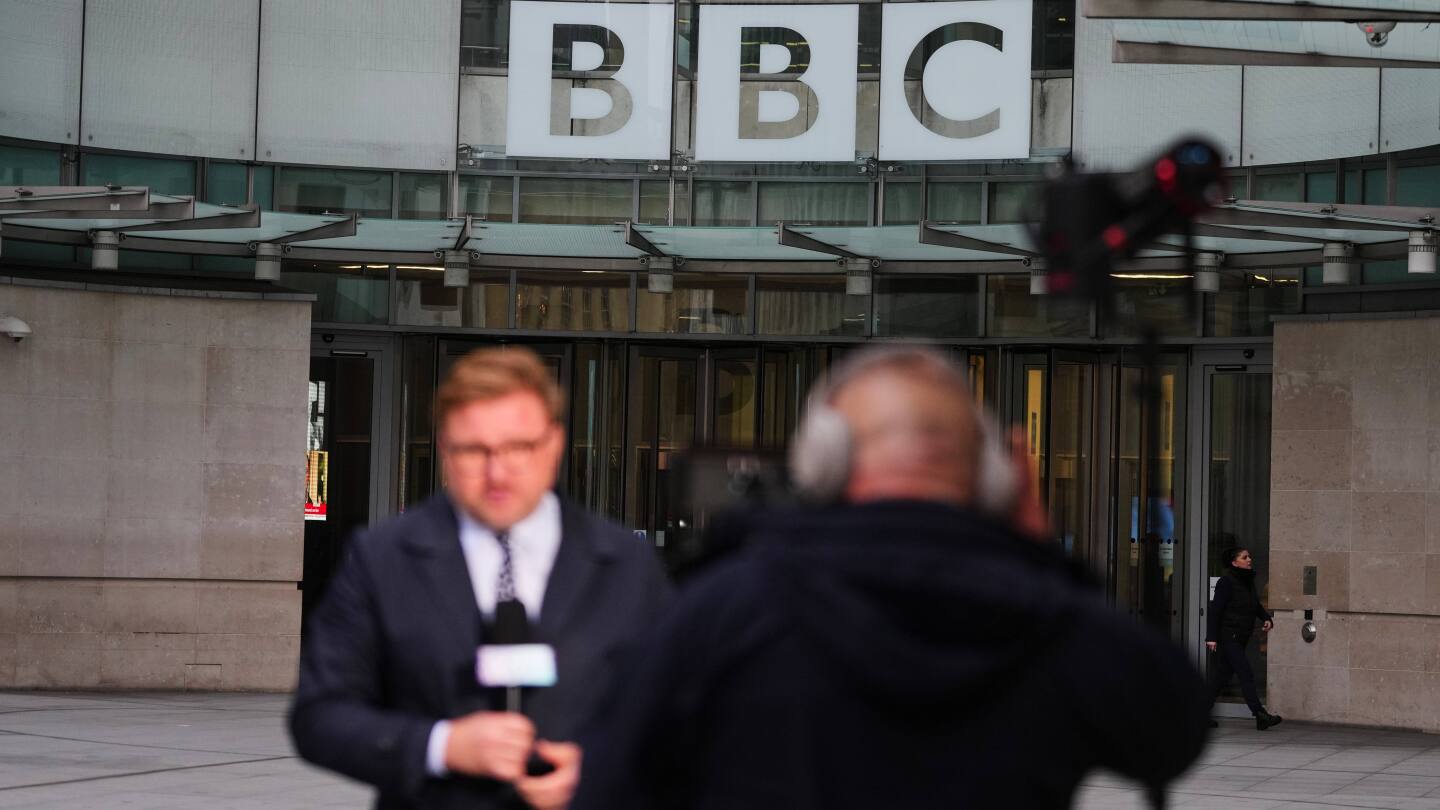
British officials rallied to the BBC’s defense Tuesday as the national broadcaster faces intensifying criticism and a potential $1 billion lawsuit from former U.S. President Donald Trump over misleadingly edited footage of his speech prior to the January 6, 2021, Capitol riot.
Culture Secretary Lisa Nandy acknowledged the broadcaster’s challenges but emphasized its crucial role in British society. “At a time when the lines are being dangerously blurred between facts and opinions, news and polemic, the BBC stands apart,” she told the House of Commons. “The BBC as an institution is absolutely essential to this country.”
The controversy centers on a documentary titled “Trump: A Second Chance?” broadcast shortly before the November 2024 U.S. election. The program spliced together three quotes from different sections of Trump’s January 6 speech, creating what appeared to be a single call for supporters to march and “fight like hell.” Crucially, editors removed a section where Trump urged supporters to demonstrate peacefully.
BBC Chair Samir Shah conceded that “the way the speech was edited did give the impression of a direct call for violent action.” The fallout has already claimed high-profile casualties, with Director-General Tim Davie and head of news Deborah Turness both resigning over what the broadcaster described as an “error of judgment.”
Trump’s Florida-based attorney Alejandro Brito has demanded the BBC “retract the false, defamatory, disparaging and inflammatory statements,” issue an apology, and “appropriately compensate President Trump for the harm caused” by Friday or face legal action seeking $1 billion in damages.
Nigel Huddleston, media spokesman for the opposition Conservative Party, urged the BBC to “provide a fulsome apology to the U.S. president” to avoid litigation. However, legal experts note Trump faces significant hurdles in pursuing his case. He appears to have missed the one-year deadline for filing a defamation suit in Britain, though he might still bring claims in certain U.S. states under varying statutes.
The controversy intensifies pressure on the century-old institution at a time when it already faces mounting challenges. Funded through an annual license fee of £174.50 ($230) paid by all households watching live TV or accessing BBC content, the broadcaster frequently becomes a political lightning rod, with conservatives perceiving a leftist slant and some liberals alleging right-wing bias.
Recent scrutiny intensified after the Daily Telegraph published parts of a dossier by Michael Prescott, hired to advise the BBC on standards. Besides the Trump edit, Prescott criticized the broadcaster’s coverage of transgender issues and raised concerns about alleged anti-Israel bias in its Arabic service.
On the streets near BBC headquarters, public sentiment reflects growing skepticism. “The last few scandals that they’ve had, trust in the BBC is very much waning and a number of people are saying they’re going to refuse to pay the license fee,” said Amanda Carey, a semi-retired lawyer.
The controversy comes at a pivotal moment for the broadcaster. The government is preparing to begin the once-a-decade review of the BBC’s governing charter, which expires at the end of 2027. Nandy pledged to ensure the BBC remains “sustainably funded and commands the public’s trust,” but avoided specifics on whether the license fee funding model might face significant changes.
Despite announcing his resignation, outgoing Director-General Tim Davie defended the institution’s core mission: “We’ve got to fight for our journalism,” he said, while acknowledging “we have made some mistakes that have cost us.”
The situation highlights the precarious position of public service broadcasting in an era of polarized politics, fragmented media consumption, and diminishing trust in traditional institutions. As the BBC navigates this crisis, its response will likely shape not just its own future but the broader landscape of trusted news sources in an increasingly divided information ecosystem.
Fact Checker
Verify the accuracy of this article using The Disinformation Commission analysis and real-time sources.

8 Comments
While lawsuits may grab headlines, the focus should be on strengthening the BBC’s editorial processes to ensure balanced and responsible reporting. Maintaining the integrity of public media is essential for a healthy democracy.
While it’s understandable to be concerned about potential media bias, the BBC has a long history of upholding journalistic standards. Any issues should be addressed through proper channels, not threats of lawsuits.
Agreed. Legal action should be a last resort, not a knee-jerk reaction. The focus should be on improving editorial practices, not undermining a vital public institution.
The government’s defense of the BBC is reassuring, but the broadcaster must also be willing to acknowledge and address any legitimate concerns about its coverage. Maintaining public trust is paramount.
Exactly. The BBC should strive for the highest standards of accuracy and fairness, even if it means admitting errors. Transparency and accountability will be key to preserving its credibility.
Editing speeches can be a tricky business, and the BBC should be transparent about any mistakes. But the broader role of public media is crucial, especially in an era of increasing polarization and misinformation.
The BBC’s importance as an independent news source cannot be overstated. However, it must also be willing to learn from its mistakes and continuously improve its practices. A collaborative approach is better than confrontation.
The BBC’s role as a trusted news source is crucial, especially when the lines between facts and opinions are blurred. Transparency and accountability are important, but attacking the institution itself could do more harm than good.