


Listen to the article
The United Arab Emirates announced its departure from OPEC on Tuesday, sending shockwaves through the 65-year-old oil cartel that controls approximately 40% of global crude production. The UAE plans to exit the organization this Friday, pursuing its strategy of increasing oil output “in a gradual and measured manner, aligned with demand and market conditions.”
The immediate impact on oil prices remains limited as Iran continues blocking the Strait of Hormuz, preventing Persian Gulf producers including the UAE from exporting much of their oil. However, the departure could significantly reshape the global oil landscape in the long term.
Founded in Baghdad in 1960 by Iran, Iraq, Kuwait, Saudi Arabia, and Venezuela, the Organization of the Petroleum Exporting Countries has grown to include 12 member nations controlling more than 80% of the world’s proven oil reserves. Other current members include Algeria, Equatorial Guinea, Gabon, Libya, Nigeria, and the Republic of the Congo.
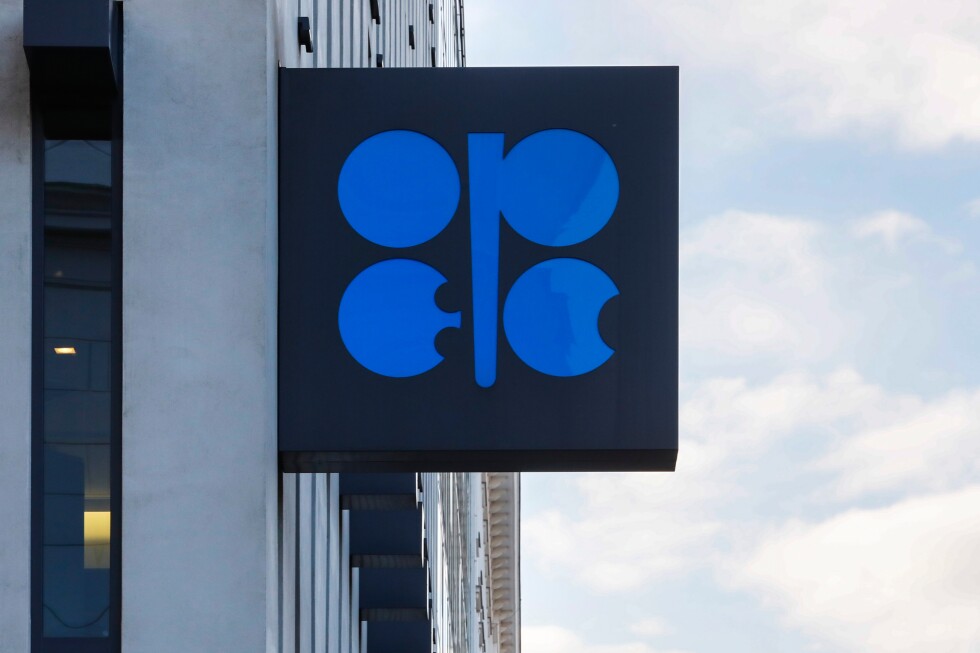
From its headquarters in Vienna, OPEC has coordinated production levels to regulate global oil prices. The organization aims to maintain prices high enough for member governments to balance their budgets while benefiting from their natural resources, but not so elevated that they trigger economic recessions or demand destruction in consuming nations.
This approach has frequently drawn criticism from U.S. leaders, with former President Donald Trump accusing OPEC of “ripping off the rest of the world,” while President Joe Biden has pressured the group to increase production to lower prices.
OPEC’s founding marked a pivotal shift in the global energy landscape, transferring power from Western oil companies to resource-rich nations seeking control over their own assets and profits. The organization’s decisions have occasionally had profound effects on the global economy, most notably during the 1973 oil embargo when Arab members halted oil shipments to the U.S. and other Israel-supporting countries during the Yom Kippur War, causing prices to quadruple and triggering fuel shortages across America.
In 2016, OPEC expanded its influence by partnering with ten additional oil producers, including Russia, to form the OPEC+ alliance.
The UAE’s decision to leave appears motivated by its desire for greater autonomy in production decisions. The traditional cartel structure, while supporting higher prices, restricts members’ earnings and market share compared to non-cartel producers. Tensions between the UAE and Saudi Arabia, OPEC’s largest producer and de facto leader, have been brewing for years over production quotas.
Industry experts also point to another factor driving the UAE’s decision: the anticipated peak in global oil consumption as the world transitions toward renewable energy sources. With climate change concerns accelerating this shift, underground oil reserves may hold greater value today than in the future, making production restrictions increasingly costly in terms of potential profits.
“The UAE’s withdrawal removes one of OPEC’s few members with the ability to quickly increase production — the mechanism through which the cartel manages oil prices,” said Jorge Leon, head of geopolitical analysis at Rystad Energy. “A structurally weaker OPEC, with less spare capacity concentrated within the group, will find it increasingly difficult to calibrate supply and stabilize prices. The net effect points to a more fragmented supply landscape and a potentially more volatile oil market over time as OPEC’s capacity to smooth imbalances diminishes.”
Currently, Iran’s blockade of the Strait of Hormuz—a critical chokepoint through which roughly one-fifth of global oil and gas supplies pass—remains the dominant factor influencing oil prices. This strategic waterway’s closure prevents substantial volumes of oil produced by Persian Gulf nations from reaching international markets, driving prices sharply higher.
Michael Brown, research strategist at Pepperstone foreign exchange brokerage, noted, “As for crude in the here and now, all that really matters is whether the Strait of Hormuz is open or closed. At present, it’s essentially shut, tightening supply conditions day by day and probably seeing benchmarks continue to grind higher on a daily basis as well.”
If the UAE achieves its goal of boosting production capacity after the current conflict subsides, it could accelerate the return to pre-war price levels by increasing global supply. However, the longer-term implications of its OPEC exit suggest a potentially more unpredictable oil market as the cartel’s ability to coordinate global production weakens.
Fact Checker
Verify the accuracy of this article using The Disinformation Commission analysis and real-time sources.

13 Comments
The UAE’s departure from OPEC is a bold move that could signal a shift in the global oil landscape. As the cartel adjusts to the loss of one of its key members, it will be important to monitor how this development affects the dynamics within the organization and the broader energy industry.
This news about the UAE’s exit from OPEC is certainly intriguing. It will be interesting to see how the cartel responds to the loss of one of its members and whether this leads to a rethinking of its approach to regulating global oil production and prices.
This news about the UAE’s exit from OPEC is significant, as the cartel has historically played a central role in regulating global oil production and prices. I’m curious to see how this shift will impact the dynamics within the organization and the broader energy market.
The UAE’s departure from OPEC is a strategic move that could have far-reaching implications. As the organization adjusts to the loss of one of its key members, it will be interesting to see how the global oil landscape evolves in response.
You raise a good point. The UAE’s decision to go its own way could spark changes within OPEC and potentially lead to further defections or a rethinking of the organization’s approach.
The UAE’s decision to exit OPEC is a bold move, given the organization’s historical influence over global oil prices and production. It will be fascinating to observe how this affects the balance of power within the cartel and the broader energy market.
Interesting development in the global oil landscape. The UAE’s departure from OPEC could reshape dynamics within the cartel and impact future production coordination efforts. I’m curious to see how this will play out in the long run.
The UAE’s departure from OPEC is a bold move that could signal a shift in the balance of power within the oil cartel. It will be interesting to see how this development affects future production coordination efforts and the overall stability of the global energy landscape.
Agreed. This move by the UAE could have far-reaching consequences, both for OPEC and the broader energy industry. It will be important to closely monitor how the situation unfolds in the coming months and years.
The UAE’s departure from OPEC is a notable shift in the global oil industry. As one of the organization’s key members, the UAE’s decision to go its own way could lead to a reshuffling of the power dynamics within the cartel and potential changes in production strategies.
OPEC has long been a dominant force in the oil industry, so the UAE’s exit is a significant shift. I wonder if this could lead to further defections or a restructuring of the organization as members pursue their individual interests. It will be an important story to follow.
While the immediate impact on oil prices may be limited, the UAE’s exit from OPEC could have significant long-term implications. This development raises questions about the future of the cartel’s influence and the potential for further changes in the global energy landscape.
The UAE’s decision to leave OPEC is a significant development that could have far-reaching implications for the oil industry. I’m curious to see how this move will impact the organization’s ability to coordinate production and influence global energy markets in the years to come.