


Listen to the article
Senate Clears Path for Mining Near Minnesota’s Boundary Waters as Environmental Concerns Mount
Congressional Republicans have pushed through a resolution that would lift a federal ban on mining near Minnesota’s Boundary Waters Canoe Area Wilderness, potentially opening the pristine region to mineral extraction by a Chilean-owned company. The Senate narrowly passed the measure Thursday by a 50-49 vote, sending it to President Donald Trump for his expected signature after similar approval in the House last month.
The move has intensified the ongoing debate over resource development versus environmental protection in one of America’s most treasured wilderness areas. The Boundary Waters, stretching approximately 150 miles along Minnesota’s border with Canada, is renowned for its crystalline lakes, vast forests of pine, spruce and birch, and remarkable ecological diversity.
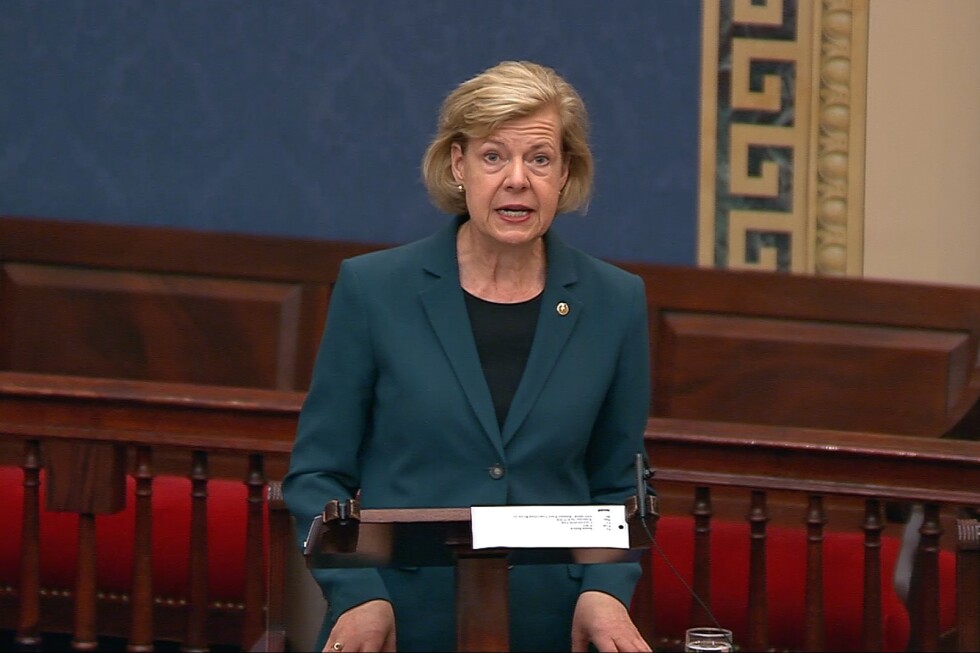
“You can support mining, but that does not mean you support every mine in every place,” argued Minnesota Senator Tina Smith during floor debates, suggesting the GOP was ignoring constituents who oppose development in the sensitive region. Senator Amy Klobuchar, who is running for Minnesota governor, described the wilderness as a place of “mist over meadows” and “sunlight on leaves.”
The Boundary Waters represents a unique natural sanctuary where logging is prohibited, aircraft must maintain at least 4,000 feet of altitude when passing overhead, and motorized watercraft are restricted to designated areas. The wilderness attracts tens of thousands of canoeists, kayakers, and campers annually seeking solitude in a landscape where silence is broken only by loons calling across the water and occasional wolf howls.
At stake is access to the Duluth Complex, a mineral-rich rock formation containing copper, nickel, lead, zinc, iron, silver, and gold deposits. Twin Metals Minnesota LLC, a subsidiary of Chile-based Antofagasta Minerals, has been pursuing mining rights in the region for years, with plans for a $1.7 billion underground mining operation.
The company submitted operational plans in 2019 promising to create hundreds of union jobs and over a thousand additional positions in northeastern Minnesota communities. “With this Project, Minnesota can be a model for modern, sustainable and environmentally and socially responsible mining,” the company stated in its proposal.
The mining plan has followed a winding regulatory path through changing administrations. While the first Trump administration renewed Twin Metals’ mineral leases in 2019, Biden administration officials terminated the agreements in early 2022 and imposed a 20-year moratorium on mining across 400 square miles of the forest the following year, citing watershed protection.
Representative Pete Stauber, a Duluth Republican who introduced the resolution to lift the moratorium in January, has argued that the ban cost Minnesota jobs and jeopardized domestic mineral security. During House floor debate, he suggested mining in Minnesota is preferable to reliance on China or Russia for critical minerals.
Environmental advocates warn that even though the mining would occur in the national forest bordering the wilderness rather than the protected area itself, pollution would inevitably flow through the watershed. Conservationists have raised alarms about potential contamination from mercury and sulfides that could harm fish, wildlife, and wild rice—a plant with particular significance to Minnesota’s Chippewa tribal culture.
The issue has sparked significant opposition. Relatives of Theodore Roosevelt wrote to Republican senators urging them to maintain the moratorium, while The Friends of the Boundary Waters has organized demonstrations outside Rep. Stauber’s office and at the Minnesota State Capitol.
Twin Metals has attempted to address environmental concerns in its plans, noting the underground nature of the proposed mine and pledging that no waste rock would be stored above ground. The company has emphasized that metals like copper, cobalt and nickel are essential for renewable energy technologies including wind turbines, electric vehicle batteries, and desalination plants.
Despite the congressional action, significant hurdles remain before any mining could begin. Even with Trump’s expected approval, Twin Metals would need to secure numerous permits from federal agencies like the U.S. Forest Service and Army Corps of Engineers, plus as many as 18 permits from state officials. Environmental groups are also likely to challenge these approvals in court, potentially delaying construction for years.
The controversy reflects broader tensions between economic development and environmental protection playing out across the country, with the Boundary Waters serving as a particularly symbolic battleground for competing visions of land use and conservation priorities.
Fact Checker
Verify the accuracy of this article using The Disinformation Commission analysis and real-time sources.

21 Comments
The Boundary Waters is such a unique and pristine wilderness. I’m concerned about the potential environmental degradation from mining operations in this sensitive region. Rigorous environmental impact assessments are essential before any decisions are made.
I share your concerns. The Boundary Waters is an irreplaceable natural asset that must be protected. Any mining plans should be subject to the highest standards of environmental review and community input.
This is a sensitive and controversial issue. While mining can support economic development, we must carefully weigh the potential environmental impacts on treasured wilderness like the Boundary Waters. Thorough review and public input are crucial.
This is a complex issue with valid arguments on both sides. While mining can bring economic benefits, the Boundary Waters is a precious natural resource that must be safeguarded. I hope lawmakers can find a solution that carefully balances these competing priorities.
Agreed, it’s a difficult tradeoff. Responsible resource development and environmental protection don’t have to be mutually exclusive, but great care and due diligence will be required to get this right for the Boundary Waters.
This is an interesting and contentious issue. While mining can drive economic growth, the Boundary Waters is a treasured ecological area that needs careful consideration. I hope the environmental impacts are thoroughly studied before any decisions are made.
Agreed, it’s a complex balance between resource development and environmental protection. I’m curious to see how this plays out and what safeguards, if any, will be put in place.
This is a challenging situation. While minerals are important resources, the Boundary Waters is a cherished natural wonder. I hope lawmakers can find a balanced solution that safeguards the environment while also allowing for responsible resource development.
I agree, it’s a delicate balance. Thorough, transparent environmental assessments will be crucial in determining if and how any mining can proceed in this sensitive area without causing unacceptable harm.
The Boundary Waters are a unique ecological gem. While mining can provide economic benefits, the potential harm to the environment is concerning. I hope policymakers will take a measured, science-based approach to this issue.
The Boundary Waters is such a unique and fragile ecosystem. I’m worried that mining operations, even with safeguards, could have devastating impacts on the land, water, and wildlife. Protecting this natural treasure should be the top priority.
I share your concerns. The Boundary Waters is an irreplaceable asset that deserves the highest level of environmental protection. Any mining plans should be subjected to the most rigorous scientific review and community input.
Lifting the mining ban near the Boundary Waters is a major policy shift that deserves robust public debate. We must carefully weigh the tradeoffs between economic development and preserving one of America’s most treasured wilderness areas.
Exactly, this is not a simple decision. We need to hear from all stakeholders – local residents, environmental groups, mining companies – to understand the full implications and risks.
The Boundary Waters are a true national treasure – pristine forests, lakes, and wildlife. I can understand the desire to unlock mineral resources, but it needs to be done in a way that rigorously protects the environment. These decisions shouldn’t be rushed.
Agree, the Boundary Waters are an irreplaceable natural wonder. Any mining in the area needs the most stringent environmental safeguards and oversight.
Mining near the Boundary Waters raises serious environmental red flags. This pristine wilderness must be protected. I hope the administration will reconsider this decision and listen to the voices of constituents who cherish this special place.
The Boundary Waters is such a unique and irreplaceable wilderness area. I’m deeply concerned about the potential environmental impacts of mining operations in this sensitive region. Rigorous scientific review and transparent public input should be mandatory before any mining is allowed.
I share your concerns. The Boundary Waters is a national treasure that deserves the highest level of protection. Any proposals for mining in this area should face the most stringent environmental assessments and community engagement processes.
This is a challenging issue without any easy answers. While mining can spur economic growth, the Boundary Waters is a magnificent natural wonder that must be carefully safeguarded. I hope lawmakers can find a balanced solution that protects the environment while also allowing for responsible resource development.
Agreed, it’s a delicate balance. Thorough, transparent environmental impact assessments will be crucial in determining if and how any mining can proceed in this sensitive area without causing unacceptable harm to the Boundary Waters.