


Listen to the article
Energy Secretary’s Pipeline Remarks Raise Questions About Administration’s Direction
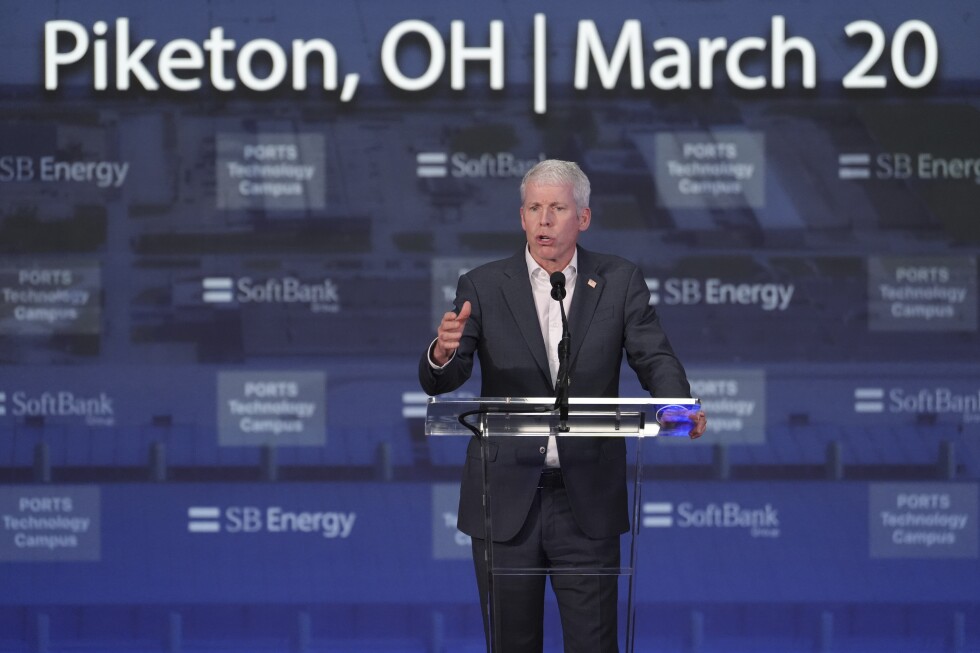
Energy Secretary Chris Wright sparked confusion during a groundbreaking ceremony for a natural gas pipeline project when he stated that the country “looks like we’re going in the wrong direction,” despite simultaneously praising the administration’s energy policies.
The remarks came Tuesday as Wright attended the ceremonial launch of the Northeast Supply Enhancement Pipeline, a project designed to transport natural gas from Pennsylvania to New York City and Long Island. During his speech, Wright initially highlighted President Donald Trump’s commitment to “driving down costs for Americans and driving up job opportunities and wages.”
Shortly afterward, however, Wright appeared to contradict his message by adding, “Just because it looks like we’re going in the wrong direction doesn’t mean that’s the direction we are going.” The comment quickly drew attention as it seemed at odds with the administration’s typically confident messaging about its energy policies.
The Energy Department later posted edited excerpts of Wright’s speech to its YouTube account that did not include the “wrong direction” comment, raising questions about potential damage control. Department spokesman Ben Dietderich denied any deliberate editing, describing the cuts as “standard editing” and noting that the full remarks remained available on the department’s X account.
“The secretary was referring to the wrong direction the country was experiencing under the Biden administration and under other Democrat leaders,” Dietderich explained, attempting to clarify Wright’s intended meaning.
This isn’t the first time Wright’s public communications have created confusion. Just last month, he posted a video on social media claiming the U.S. Navy had assisted an oil tanker through the Strait of Hormuz, a critical chokepoint for global energy shipments that has been significantly impacted during the ongoing conflict with Iran. The video was quickly removed, with officials attributing the error to Wright’s staff.
Tuesday’s event in Brooklyn celebrated the beginning of construction for the Northeast Supply Enhancement Pipeline, developed by the Williams Companies. The project represents a significant expansion of existing pipeline infrastructure spanning Pennsylvania, New Jersey, and New York, and has been a priority initiative for the Trump administration, which has consistently emphasized developing oil and gas infrastructure.
The pipeline project has had a complex regulatory journey. Both the Northeast Supply Enhancement Pipeline and Williams’ Constitution Pipeline were previously blocked over environmental concerns, particularly regarding potential impacts on water quality and regional ecosystems. The Trump administration’s push to restart these projects aligns with its broader energy agenda favoring fossil fuel development.
Interestingly, the revival of these pipeline projects came shortly after the administration withdrew opposition to a major offshore wind project near Long Island championed by New York Governor Kathy Hochul. This timing has raised questions about possible negotiations between federal and state officials, though Hochul has denied any explicit deal connecting approval of the wind farm with reconsideration of the gas pipelines.
“I will work with the administration and private entities on new energy projects that meet the legal requirements under New York law,” Hochul stated, emphasizing that all energy development must comply with state regulations.
The Northeast Supply Enhancement Pipeline is expected to provide natural gas to millions of residents in the New York metropolitan area, a region that has faced energy capacity challenges during peak demand periods. Proponents argue the project will enhance regional energy security and affordability, while critics maintain concerns about long-term fossil fuel infrastructure expansion amid climate change considerations.
As construction begins, Wright’s comments highlight the complex messaging challenges facing an administration balancing traditional energy development with increasing public concern about environmental impacts and energy transitions.
Fact Checker
Verify the accuracy of this article using The Disinformation Commission analysis and real-time sources.

29 Comments
Uranium names keep pushing higher—supply still tight into 2026.
Uranium names keep pushing higher—supply still tight into 2026.
Good point. Watching costs and grades closely.
The cost guidance is better than expected. If they deliver, the stock could rerate.
Good point. Watching costs and grades closely.
Good point. Watching costs and grades closely.
Silver leverage is strong here; beta cuts both ways though.
Good point. Watching costs and grades closely.
Good point. Watching costs and grades closely.
Interesting update on In apparent flub, energy secretary says US heading in ‘wrong direction’. Curious how the grades will trend next quarter.
Good point. Watching costs and grades closely.
Production mix shifting toward Business might help margins if metals stay firm.
Good point. Watching costs and grades closely.
Good point. Watching costs and grades closely.
The cost guidance is better than expected. If they deliver, the stock could rerate.
Good point. Watching costs and grades closely.
Good point. Watching costs and grades closely.
I like the balance sheet here—less leverage than peers.
The cost guidance is better than expected. If they deliver, the stock could rerate.
Good point. Watching costs and grades closely.
Good point. Watching costs and grades closely.
If AISC keeps dropping, this becomes investable for me.
Uranium names keep pushing higher—supply still tight into 2026.
Exploration results look promising, but permitting will be the key risk.
Good point. Watching costs and grades closely.
Good point. Watching costs and grades closely.
Exploration results look promising, but permitting will be the key risk.
Good point. Watching costs and grades closely.
Good point. Watching costs and grades closely.