


Listen to the article
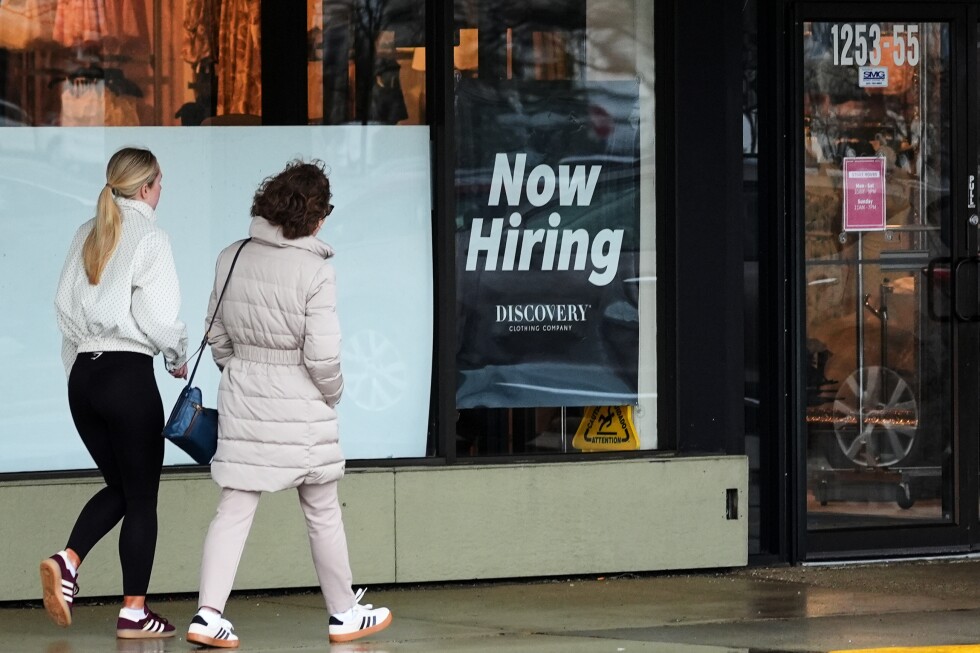
U.S. unemployment benefit applications dropped last week, with 207,000 Americans filing for jobless aid for the week ending April 11, down 11,000 from the previous week’s 218,000, according to the Labor Department. The figure came in below analysts’ expectations of 217,000 claims but remains within the typical range seen in recent years.
The decline in applications comes despite ongoing tensions from the Iran war, now in its seventh week, which has injected significant uncertainty into global economic forecasts. Though Iran and the U.S. recently agreed to a ceasefire, the conflict’s economic repercussions continue to reverberate through markets worldwide.
“Filings for unemployment benefits are considered representative of U.S. layoffs and are close to a real-time indicator of the health of the job market,” noted labor economists tracking the weekly data.
Financial markets have shown resilience in recent weeks, recovering from initial volatility following the outbreak of hostilities. Oil prices, which spiked dramatically when the conflict began, have settled around $92 per barrel—down from last week’s $112 but still 37% higher than pre-war levels. The elevated oil prices have translated to higher gasoline costs, adding financial pressure to both businesses and consumers across the country.
Inflation concerns have intensified alongside these developments. Consumer prices jumped 3.3% in March compared to a year earlier, the Labor Department reported, representing a sharp increase from February’s 2.4% and marking the largest yearly increase since May 2024. On a month-to-month basis, March saw prices climb 0.9% from February—the steepest monthly increase in nearly four years. The surge was largely driven by the most significant monthly jump in gas prices in six decades.
This inflationary pressure comes at a particularly sensitive time, as U.S. inflation was already running above the Federal Reserve’s 2% target. The development has further diminished the likelihood of interest rate cuts by Fed officials in the near term, despite earlier expectations for monetary easing in 2025.
The Federal Reserve had raised interest rates three times to close out 2025, citing concerns about weakening labor market conditions. However, they have since held off on implementing rate cuts this year as they monitor economic indicators and geopolitical developments.
The broader employment picture remains mixed. Earlier this month, the Labor Department reported an unexpectedly strong addition of 178,000 new jobs in March, which helped push the unemployment rate back down to 4.3%. This followed February’s surprising loss of 92,000 jobs. Adding to the uncertainty, revisions trimmed 69,000 jobs from December and January payrolls, indicating persistent strain in the labor market.
Several high-profile companies have announced job cuts recently, including Morgan Stanley, Block, UPS, and Amazon, reflecting ongoing adjustments across various sectors of the economy.
Weekly jobless aid applications have generally remained stable between 200,000 and 250,000 since the economy began recovering from the pandemic recession. However, hiring has shown a consistent slowdown over the past two years, with further deceleration in 2025 attributed to President Donald Trump’s unpredictable tariff policies, reductions in federal workforce, and the lingering effects of high interest rates implemented to combat inflation.
According to FactSet, employers added fewer than 200,000 jobs last year, a dramatic decrease from the approximately 1.5 million jobs added in 2024.
Labor market experts describe the current situation as a “low-hire, low-fire” environment, characterized by historically low unemployment rates but challenging conditions for those seeking new employment after job loss.
The Labor Department’s report on Thursday also showed that the four-week moving average of jobless claims, which smooths out weekly fluctuations, increased slightly by 500 to 209,750. The total number of Americans collecting unemployment benefits for the week ending April 4 rose by 31,000 to 1.82 million, aligning with analysts’ forecasts.
As the economic implications of the Iran conflict continue to unfold alongside domestic policy challenges, economists will closely monitor upcoming employment data for signs of either stabilization or further volatility in the U.S. job market.
Fact Checker
Verify the accuracy of this article using The Disinformation Commission analysis and real-time sources.

8 Comments
The close relationship between the job market and the Iran conflict is intriguing. It will be interesting to see how the situation evolves and whether it leads to more significant disruptions in employment and economic activity.
Absolutely. The interconnectedness of global events and their impact on the job market is a complex challenge for policymakers and businesses to navigate. Careful monitoring and adaptability will be key.
The dip in US jobless claims is a positive sign, but the uncertainty surrounding the Iran conflict could still impact the job market. It will be important to monitor how the situation evolves and whether it leads to further layoffs or economic disruptions.
That’s a fair point. The ceasefire agreement is a step in the right direction, but the lingering economic effects of the conflict remain a concern. Businesses will need to navigate this challenging environment carefully.
While the decline in jobless claims is a positive sign, the uncertainty surrounding the Iran conflict is a wild card. Businesses will need to be nimble and responsive to changes in the economic landscape.
The resilience of financial markets in recent weeks is encouraging, but the elevated oil prices are still a concern. Producers and consumers will need to adapt to the new price environment as the geopolitical situation continues to unfold.
Agreed. The rise in oil prices could have ripple effects across various industries and sectors. Policymakers will likely be closely watching for any signs of further economic strain.
The drop in jobless claims is a positive development, but the continued uncertainty around the Iran conflict is a significant risk factor. Businesses and workers will need to brace for potential volatility in the coming months.