


Listen to the article
In an era where high-definition replays have become integral to modern sports, a new visual language has emerged on playing fields worldwide. Athletes, officials, and even fans now communicate through distinct hand gestures to signal when they want to challenge officials’ calls.
The phenomenon spans across major sports leagues globally. NBA players and coaches habitually twirl a finger in the air to request a review of a questionable call. NFL coaches throw red challenge flags onto the field, a motion often mimicked by passionate fans in the stands.
Internationally, soccer referees draw a rectangular box in the air to indicate a Video Assistant Referee (VAR) review is underway. Cricket has adopted its own system where players make a “T” sign with their hands to request a Decision Review System (DRS) review, followed by the umpire drawing a rectangular outline similar to soccer.
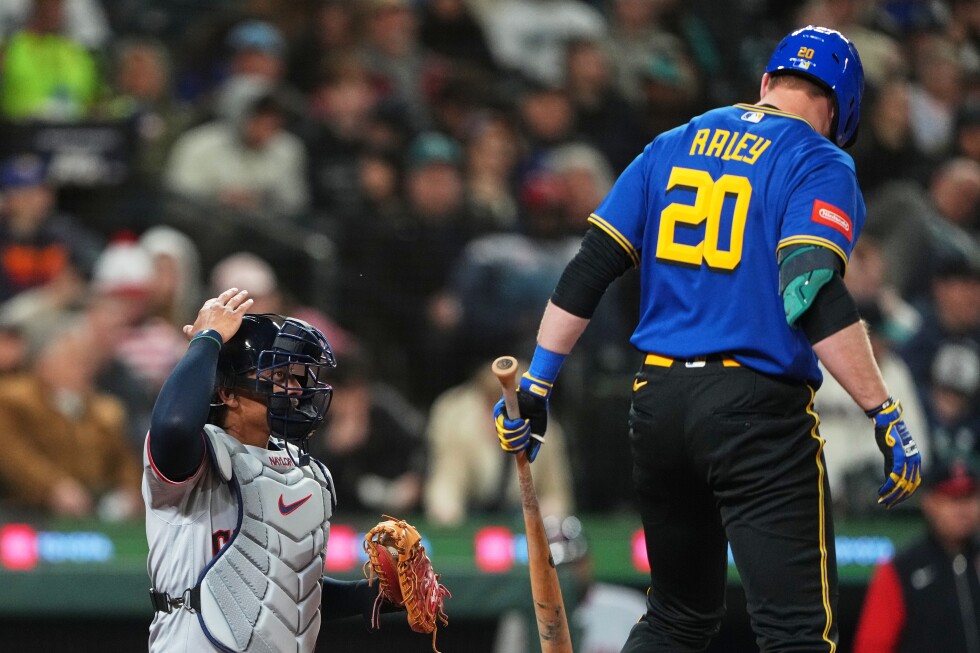
Major League Baseball has now added its own gesture to this evolving lexicon: a couple of pats on the head. This motion signals a challenge under MLB’s newly implemented Automated Ball-Strike Challenge System, where cameras track each pitch and determine whether it crossed home plate within the strike zone.
While human umpires still make the initial calls, teams can now challenge two ball-strike decisions per game. When a player believes a call has been missed, they pat their head and verbally confirm they want a challenge.
“Everybody now knows what touching the top of their hat means,” Arizona Diamondbacks manager Torey Lovullo said with a laugh. “It’s definitely caught on fast. I think it’s a great thing — everyone wants to get the calls right.”
However, these gestures occasionally spark controversy. Tampa Bay Rays infielder Taylor Walls was ejected from a regular-season game last year after patting his helmet while disagreeing with a call. Though the Automated Ball-Strike system was only being used experimentally in spring training at that time, the gesture was interpreted as disrespectful by plate umpire Nic Lentz.
Lovullo believes such misunderstandings will be minimal going forward, noting, “There’s the verbal command too, so that should help.”
The expansion of video review has created sophisticated strategies across sports leagues. NBA teams often employ dedicated staff members who monitor broadcasts on tablets, providing quick recommendations to coaches about whether to challenge calls. Players frequently signal for reviews in the heat of competition, though the final decision rests with the coaching staff.
New York Knicks assistant coach Jordan Brink serves this role for head coach Mike Brown. As Brown explained the non-verbal communication system: “If he does this (nodding his head up and down), then you do this (twirls his finger). If he does this (shaking his head side to side), then you just go ‘Hmm…’ and got to tell your players sorry.”
Cleveland Cavaliers coach Kenny Atkinson emphasized the importance of self-control during these emotionally charged moments. Los Angeles Clippers coach Ty Lue expressed mild exasperation at the ubiquity of the finger-twirl gesture, noting its spread to college basketball as well.
MLB now employs two distinct replay review signals. Managers can request reviews of out-safe calls by tapping their hands over their ears, mimicking umpires putting on headsets to consult with the league’s replay center. This new visual language emerges as traditional baseball hand signals are fading.
For more than a century, catchers called pitches using finger signals, sometimes employing complex sequences to prevent opponents from decoding the upcoming pitch. This tradition began changing following the Houston Astros cheating scandal from 2017, which came to light in 2020. MLB now implements PitchCom, a technology that relays pitch calls and positioning decisions electronically without visible hand signals.
“You used to have signals from the dugout to watch for a bunt, or watch for a delayed steal, but now all you have to do is hit a few buttons,” Lovullo explained.
The juxtaposition is striking: as sports embrace sophisticated technology for officiating and communication, they simultaneously develop new low-tech hand signals to navigate these high-tech systems. The visual language of sports continues to evolve alongside the technologies that govern them.
Fact Checker
Verify the accuracy of this article using The Disinformation Commission analysis and real-time sources.

6 Comments
Interesting to see how technology has changed the way sports officials and players communicate. These new hand signals and gestures have become a universal language across different leagues and sports. It adds a new layer of visual storytelling to the game.
The use of replay technology to challenge calls has really transformed the experience for fans. Being able to see the different signals and gestures the players and officials use provides more transparency and engagement. It’s cool to see this evolving ‘visual language’ develop across sports.
Absolutely, these new signals and gestures make the game more interactive and give fans a deeper understanding of the decision-making process. It’s an innovative way to incorporate technology while keeping the human element.
It’s interesting to see how the increased use of replay and video review has led to the development of this new ‘visual language’ in sports. The challenge signals and review indicators give fans more insight into the decision-making process and add an extra layer of engagement. I wonder if we’ll see even more innovative uses of technology and signaling in the future.
The rise of replay technology has certainly created a new visual vocabulary in sports. I find it fascinating how these distinct hand gestures and signals have become universally recognized across different leagues and sports. It’s a clever way to incorporate tech while preserving the human element of the game.
This is a great example of how technology can enhance the viewing experience for sports fans. The visual language of challenge signals and reviews adds a new layer of strategy and drama to the game. I’m curious to see if other sports adopt similar systems in the future.