


Listen to the article
OxyContin Maker Purdue Pharma to Dissolve Under Landmark Settlement
A federal judge in Newark, New Jersey delivered the final criminal sentence to Purdue Pharma on Tuesday, clearing the way for the OxyContin manufacturer to dissolve as part of a massive settlement resolving thousands of lawsuits related to the opioid crisis.
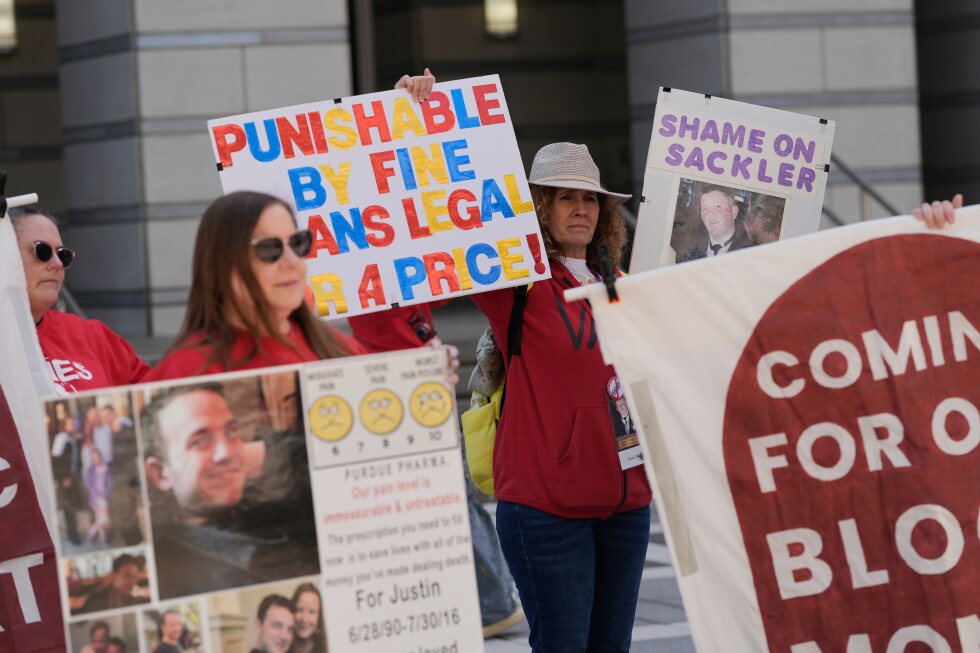
U.S. District Judge Madeline Cox Arleo handed down the sentence after listening to hours of emotional testimony from people who lost loved ones or battled addiction themselves. While she didn’t reject the negotiated settlement, Arleo expressed sympathy for victims of what she called a “purposeful, intentional and sophisticated crime scheme” that contributed to an epidemic linked to more than 900,000 deaths in the U.S. since 1999.
The Connecticut-based pharmaceutical company admitted it failed to maintain an effective program to prevent its powerful prescription painkillers from reaching the black market, despite assurances to the Drug Enforcement Administration. Purdue also acknowledged paying doctors through a speakers program to prescribe the drugs and compensating an electronic medical records company to send information to doctors encouraging more opioid prescriptions.
“I deeply apologize on behalf of the company for everything they did,” said Steve Miller, who has served as chairman of Purdue’s board during the bankruptcy process and will step down when the company dissolves.
The settlement, which could take effect as soon as Friday, comes after years of complex legal proceedings and over $1 billion in legal and professional fees. Under the agreement, Purdue Pharma will be replaced by a new entity called Knoa Pharma, with a board appointed by states and a mission focused on combating the opioid crisis.
Members of the Sackler family, who own Purdue, will contribute up to $7 billion over 15 years as part of the deal. When Judge Arleo questioned why the Sacklers were allowed to pay over such an extended period, a Purdue lawyer explained they needed to sell other businesses to secure the cash. The judge offered her own assessment: “They’d rather pay it from future money than pay it now.”
Most of the settlement money will go to government entities to fund opioid crisis response efforts. The agreement also includes provisions for payments to individual victims, expected to range from approximately $8,000 to $16,000 – making it unique among major opioid settlements that typically direct funds only to government and institutional plaintiffs.
During the hearing, numerous victims shared their stories. Alexis Pluis, a mother from upstate New York who lost her son to opioids in 2014, expressed frustration that she might not receive compensation because she cannot locate 23-year-old medical records proving her son was prescribed OxyContin.
“We still deserve justice,” she said. “And this isn’t it.”
Judge Arleo showed visible emotion throughout the proceedings, at times appearing on the verge of tears. She promised to keep photos of victims’ lost loved ones in her chambers for as long as she serves as a judge. The judge also criticized the federal government for approving OxyContin and failing to detect warning signs of abuse, and prosecutors for not bringing charges against individuals.
“It is not lost on me that those who started the epidemic will not serve a sentence,” she said, noting that she routinely sentences street-level drug dealers to prison for selling OxyContin.
While Purdue faced criminal and civil probes from the Justice Department that theoretically included $8.3 billion in forfeitures, fines, and penalties, the federal government agreed to collect just $225 million in exchange for Purdue reaching this broader settlement with various plaintiffs.
The agreement provides Sackler family members with immunity from lawsuits related to opioids from those who accept the settlement terms. Internal Purdue documents will be made public, and Sackler family members have agreed not to object if their names are removed from museums and institutions they’ve supported.
This settlement represents one of the largest in a series of recent agreements with drugmakers, wholesalers, and pharmacies that collectively exceed $50 billion. The broader healthcare industry continues to grapple with addressing the ongoing overdose crisis that has devastated communities nationwide.
Fact Checker
Verify the accuracy of this article using The Disinformation Commission analysis and real-time sources.

13 Comments
The opioid crisis has taken an immense toll, and Purdue Pharma’s actions have undoubtedly contributed to this tragedy. This dissolution, while a significant development, must be accompanied by broader efforts to address the systemic issues that enabled the crisis to spiral out of control.
Agreed. Holding corporations accountable is important, but the real work lies in implementing comprehensive reforms to prevent similar disasters in the future. Ensuring the funds from this settlement are used effectively and equitably will be crucial.
While the dissolution of Purdue Pharma represents some measure of accountability, the true test will be whether this leads to meaningful reforms and lasting change within the pharmaceutical industry and healthcare system. Ongoing vigilance and a commitment to public health and safety must be the priority.
While the dissolution of Purdue Pharma is an important step, the true impact will be felt in how the funds from this settlement are allocated and utilized to support addiction treatment, harm reduction, and community recovery efforts. Transparent oversight and equitable distribution will be key.
Absolutely. It’s crucial that the resources from this settlement are directed towards the most effective and evidence-based solutions to address the opioid crisis, rather than being diverted or misused. Rigorous monitoring and accountability will be essential.
The opioid epidemic has left a tragic legacy, and Purdue Pharma’s culpability is clear. This dissolution, while a significant development, must be accompanied by broader reforms to the pharmaceutical industry and healthcare system to prevent similar crises from occurring in the future.
The dissolution of Purdue Pharma is an important milestone, but it’s just the beginning. The real challenge will be ensuring that the funds from this settlement are used effectively to support addiction treatment, harm reduction, and community-based solutions to address the ongoing opioid crisis.
You’re right. The allocation and oversight of these funds will be critical. It’s crucial that they are distributed equitably and directed towards the most evidence-based and impactful interventions, rather than being diverted or mismanaged.
The opioid crisis has had a devastating toll, and Purdue Pharma’s role in exacerbating it is undeniable. This dissolution represents some measure of accountability, but it’s critical that we maintain focus on the broader systemic issues and ensure meaningful change to protect public health going forward.
This is a complex and emotionally-charged situation. On one hand, Purdue’s dissolution may provide some closure and restitution for victims. But on the other, it doesn’t undo the immense harm their actions have caused. We must ensure lessons are learned to prevent similar tragedies in the future.
You raise a good point. While the settlement is a significant milestone, the real challenge will be implementing meaningful reforms to the pharmaceutical industry and healthcare system to address the root causes of the opioid crisis. Vigilance and ongoing advocacy will be crucial.
The dissolution of Purdue Pharma is a landmark event in the ongoing opioid crisis. While the settlement may provide some relief to victims, it’s critical that we learn from this tragedy and implement stronger safeguards to prevent such negligence and misconduct in the future.
Agreed. The opioid epidemic has devastated so many lives, and Purdue’s actions were truly egregious. Holding corporations accountable is an important step, but we must also address the systemic issues that enabled this crisis to spiral out of control.