


Listen to the article
Tensions Escalate as Iran Attacks Ships in the Strait of Hormuz Amid Ongoing Crisis
Confusion deepened Wednesday in the Strait of Hormuz as Iran attacked three commercial vessels near the critical waterway, further intensifying a crisis that has already blocked a fifth of the world’s oil supply from transiting this strategic chokepoint.
The attacks came just one day after U.S. President Donald Trump announced he would extend a two-week ceasefire with Iran, highlighting the volatile and unpredictable nature of the situation. Iranian authorities claimed the attacks were retaliation for the American naval blockade of Iranian ports and the U.S. seizure of an Iranian vessel that failed to stop when challenged by blockade-enforcing ships.
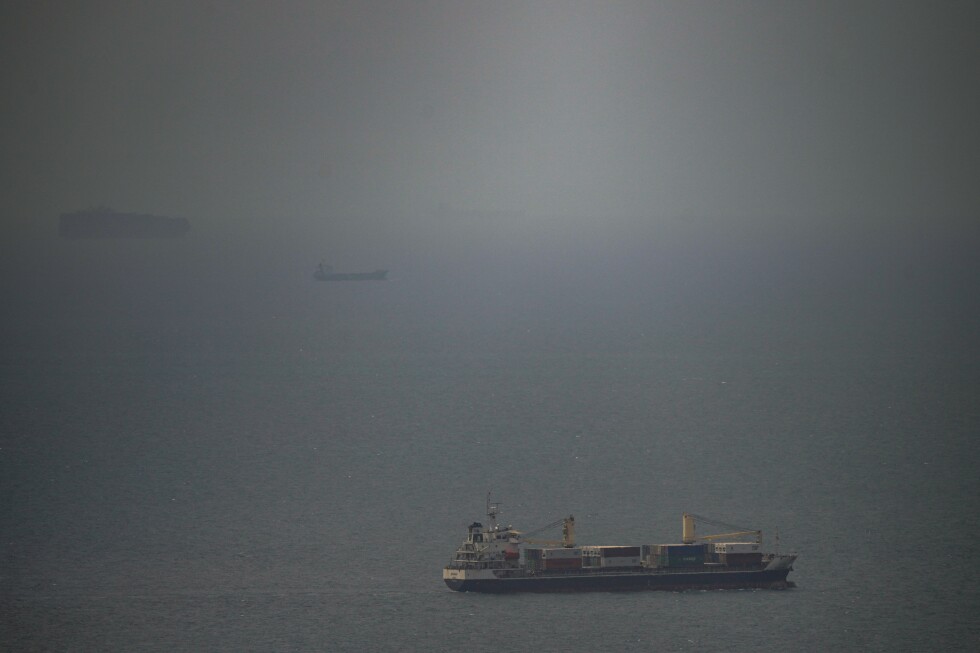
Iran’s paramilitary Revolutionary Guard reportedly attacked a vessel called the Euphoria, which Iranian state media said had become “stranded” on the Iranian coast. The Guard also seized two other ships in the attack—the Liberia-flagged Epaminondas and the Panama-flagged MSC Francesca, both container ships. The terms under which these vessels were attempting to transit the strait remain unclear.
These incidents mark a significant escalation following a period of relative calm. Since mid-March, attacks on shipping had decreased as Iran established effective control over the strait. The mere threat of attack proved sufficient to deter most vessels from attempting passage, while a limited number used an Iranian-approved lane near the coast. Ships permitted to pass faced intense scrutiny, with Iran demanding detailed information about cargo, ownership, and crew. Reports indicate Iran has imposed a $1 per barrel tax on oil and oil products—amounting to approximately $2 million for a large tanker.
The situation grew more confusing last weekend when Iran’s foreign minister announced Friday that the strait was open, only to be contradicted the following day by the Revolutionary Guard. Six cruise ships that had been stranded in the Persian Gulf since late February briefly took advantage of this narrow window to transit the strait before traffic once again ground to a halt.
“The resumption of attacks reflects in part genuine confusion about when passage is permitted,” explained Torbjorn Soltvedt, principal Middle East analyst at risk intelligence company Verisk Maplecroft. The conflicting statements from both U.S. and Iranian officials about reopening conditions have contributed to this uncertainty.
Soltvedt also noted that sporadic attacks serve Iran’s strategic interests by keeping insurance premiums elevated. “Their main leverage in negotiations with the U.S. is being able to restrict shipping through the Strait of Hormuz, and insurance is a big part of that,” he said.
While some vessels have successfully passed through Iran’s vetting system and others have relied on diplomatic interventions from their home governments, hundreds of ships and thousands of crew members remain stranded in the region.
The U.S. Navy continues to enforce its blockade of Iranian vessels, though its effectiveness has been questioned. Recently, U.S. forces boarded and seized a large tanker carrying Iranian oil in the Indian Ocean, approximately 2,000 miles from the strait, demonstrating American willingness to enforce the blockade far from Iranian territorial waters.
According to the U.S. military, about 20 Iran-linked vessels have been intercepted under the blockade. However, shipping intelligence companies report that several ships carrying Iranian oil have successfully evaded these measures. Lloyd’s List Intelligence noted “a steady flow of shadow fleet traffic” moving through the gulf, including 11 tankers with Iranian cargo that have left the gulf since April 13.
“The dilemma for the U.S. is: The tighter the blockade, the greater the pain is in the global oil market, so there are conflicting priorities,” Soltvedt observed. He added that most Iranian oil exports are destined for China, a relationship the U.S. must carefully manage, particularly with Trump planning a visit to Beijing in mid-May.
U.S. Central Command spokesperson Captain Tim Hawkins confirmed Wednesday that the military blockade targets all Iranian ships entering or leaving Iranian ports, though humanitarian shipments of food, medical supplies, and other essential goods are permitted following inspection. Hawkins challenged reports of ships evading the blockade, citing Admiral Brad Cooper’s recent statement that “no ship has evaded U.S. forces.”
Even if a peace agreement is reached, shipping experts caution that reopening the strait to normal traffic will take considerable time. Analytical firm Rystad Energy estimates that repositioning the world’s tanker network would require six to eight weeks, while ship owners and insurers would need two to five weeks to adjust to new operating conditions.
“What is needed is something more comprehensive” than an informal truce, Soltvedt emphasized, noting that fundamental issues such as Iran’s nuclear and ballistic missile programs remain unresolved. “Even then, shipping companies will have the long-term threat hanging over them given Iran’s missile and drone capabilities. They can play this card again in the future.”
Fact Checker
Verify the accuracy of this article using The Disinformation Commission analysis and real-time sources.

14 Comments
This is a worrying situation that could have far-reaching consequences. Iran’s actions appear to be in retaliation for US sanctions and naval blockades, but attacking commercial ships seems an escalatory and risky move. De-escalation and diplomacy are urgently needed.
These attacks on commercial vessels highlight the unpredictable and dangerous nature of the situation in the Strait of Hormuz. Both Iran and the US appear to be engaging in tit-for-tat actions that risk sparking a wider conflict. Cooler heads must prevail to avoid further escalation.
The Strait of Hormuz crisis is deeply concerning, as it threatens to disrupt critical energy supply routes. Iran’s attacks on commercial vessels suggest it is willing to take increasingly risky actions in response to US pressure. Diplomacy and de-escalation should be the priority to prevent this from spiraling out of control.
Agreed. The potential for unintended consequences and miscalculation is high. All sides must exercise maximum restraint to avoid a wider conflict that could have devastating economic and geopolitical ramifications.
Tensions in the Strait of Hormuz are escalating dangerously. Iran’s attacks on commercial vessels are a concerning development that could disrupt critical global energy flows. It’s crucial all parties exercise restraint to avoid further destabilization in the region.
I share your concerns. The situation remains highly volatile and unpredictable. Reliable information will be key to understanding the full context and implications of these latest incidents.
The Strait of Hormuz is a critical global chokepoint for energy trade. Any disruptions there have the potential to roil commodity markets and disrupt supplies. I’m curious to see how global powers respond to try and stabilize the situation.
You raise a good point. The economic implications of this crisis cannot be overlooked. Disruptions to oil and gas flows through the strait would likely drive up energy prices worldwide.
The attacks on commercial vessels in the Strait of Hormuz underscore the seriousness of the crisis unfolding in this strategically vital waterway. Both Iran and the US appear to be engaged in a dangerous game of brinksmanship that threatens to disrupt global energy and trade flows. Cooler heads must prevail to prevent this situation from spiraling out of control.
You’re absolutely right. The stakes are extremely high, and the potential for miscalculation and unintended consequences is grave. All parties must prioritize diplomatic solutions and de-escalation to avert a wider conflict with catastrophic global implications.
Iran’s latest attacks on commercial ships in the Strait of Hormuz represent a significant escalation. While the details remain murky, it’s clear this crisis is far from over. Careful management and restraint from all parties will be critical to avoid further disruptions to global energy and trade flows.
This latest incident in the Strait of Hormuz is a worrying development that highlights the volatility of the situation. Iran’s retaliation against US actions through attacks on commercial ships is an escalatory move that risks further destabilizing the region. Diplomatic solutions must be urgently pursued to de-escalate tensions.
The seizure of Iranian vessels by the US and the subsequent retaliation by Iran’s Revolutionary Guard is deeply concerning. This cycle of escalation threatens to disrupt global energy and trade flows. All sides need to prioritize de-escalation and diplomacy to prevent this crisis from spiraling out of control.
I agree. The stakes are extremely high given the Strait of Hormuz’s strategic importance. Unintended consequences and miscalculation could lead to an outright military confrontation that would have severe global repercussions.