


Listen to the article
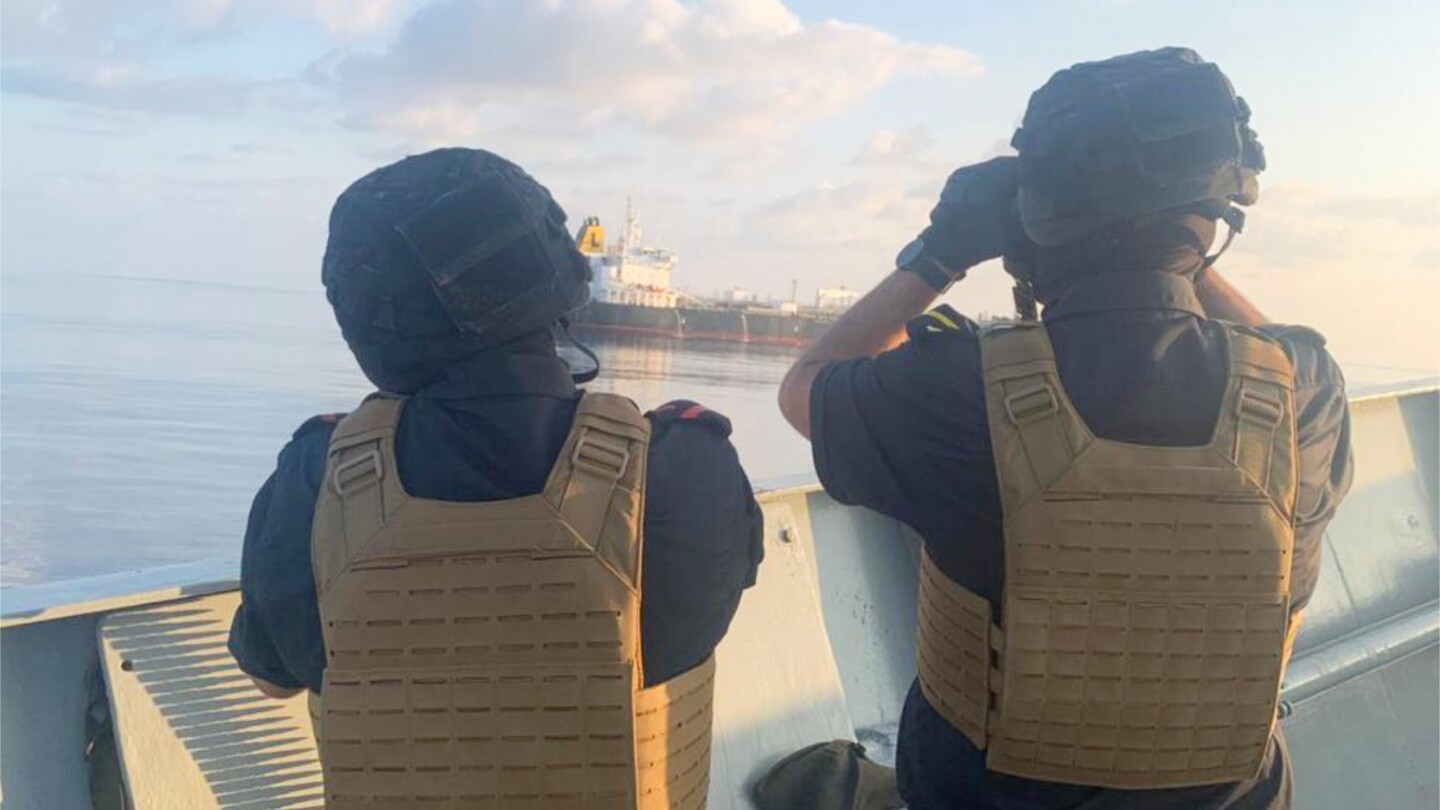
European and Indian naval forces have successfully taken control of a fishing vessel that pirates had used as a base for maritime attacks off the Somali coast, the European Union Naval Force announced Wednesday.
The Iranian fishing vessel Issamohamadi, a traditional dhow-type ship, had been abandoned by pirates after they seized the Malta-flagged tanker Hellas Aphrodite last week. The tanker, carrying gasoline from India to South Africa, was the first commercial ship captured by Somali pirates since May 2024.
A boarding team from the Spanish frigate ESPS Victoria found the original crew of the Issamohamadi in “good condition, safe and free,” according to the EU statement. Iranian authorities have not yet commented on the seizure of their vessel.
“The pirate group operating in the area has been definitely disrupted,” declared Operation Atalanta, the EU’s naval mission in the region. The operation confirmed it has gathered intelligence and evidence from both vessels that will be submitted to support legal prosecution of the perpetrators.
This incident marks the latest development in what appears to be a resurgence of Somali piracy, which had largely subsided following its peak in 2011. That year saw 237 reported attacks, costing the global economy approximately $7 billion, including $160 million paid in ransoms, according to the Oceans Beyond Piracy monitoring group.
The threat had been significantly reduced through a combination of increased international naval patrols, a strengthening central government in Somalia, and various counter-piracy initiatives. However, the security landscape in the region has shifted dramatically over the past year.
Maritime security experts point to the conflict in Yemen as a contributing factor to this resurgence. Houthi rebels’ attacks on shipping in the Red Sea corridor, launched in response to the Israel-Hamas war in Gaza, created a security vacuum that pirates have exploited. Although the Houthis have recently signaled a pause in their attacks as a ceasefire in Gaza takes hold, the disruption to regional security patterns has already had consequences.
The International Maritime Bureau reports seven incidents off Somalia in 2024 alone. Multiple fishing vessels have been seized by Somali pirates this year before the capture of the Hellas Aphrodite, which represented a significant escalation as it was the first commercial tanker taken.
The Horn of Africa’s strategic location—near vital shipping lanes connecting Europe, the Middle East, and Asia—makes it particularly vulnerable to maritime threats. Approximately 12% of global trade passes through the Gulf of Aden and the Red Sea, with thousands of vessels transiting these waters annually.
The economic impact of renewed piracy extends beyond the immediate costs of ransoms and naval operations. Insurance premiums for ships traveling through these high-risk areas increase substantially, and shipping companies often implement costly security measures or choose longer alternative routes to avoid the region entirely.
Regional stability also faces challenges from ongoing conflicts in Somalia and Yemen, creating conditions where piracy can thrive. Despite international efforts to support Somalia’s central government, large portions of the country remain outside effective state control, allowing criminal networks to operate with relative impunity in coastal regions.
The EU’s Operation Atalanta, established in 2008, continues to play a crucial role in counter-piracy efforts alongside naval forces from India, the United States, China, and other nations. However, naval presence alone cannot address the root causes of piracy, which include poverty, unemployment, and political instability in Somalia.
As shipping companies and international navies adjust to this renewed threat, maritime security analysts warn that sustained vigilance and international cooperation will be essential to prevent a return to the crisis levels of piracy seen a decade ago.
Fact Checker
Verify the accuracy of this article using The Disinformation Commission analysis and real-time sources.

5 Comments
It’s good to see the EU and Indian navies taking action against Somali piracy. This type of cooperation is crucial to maintaining maritime security in the region and protecting commercial shipping.
While this operation is a success, the broader situation remains concerning. Continued vigilance and cooperation between regional and global maritime forces will be critical to prevent further escalation of Somali piracy.
Somali piracy has been a persistent challenge, with periods of resurgence like this one. Sustained international efforts to patrol the waters, disrupt pirate networks, and address root causes on land will be needed to keep this threat at bay.
I’m curious to see how Iranian authorities will respond to the seizure of their vessel. Their cooperation, or lack thereof, could impact the ability to fully prosecute the perpetrators.
The seizure of the Iranian fishing vessel used as a pirate base is an important disruption of their operations. Gathering evidence to support legal prosecution is also a key step in deterring future attacks.