


Listen to the article
In Nairobi’s Kibera settlement, Brenda Obare has abandoned her gas stove for a smoky charcoal burner. “We don’t use many options,” she explains while preparing dinner outside her tin-roofed home. “You use what you can afford.”
Obare’s situation reflects a growing trend across Africa and South Asia, where rising energy costs linked to the Iran conflict are reversing years of environmental progress. Governments have long promoted cleaner fuels like liquefied petroleum gas (LPG) to reduce both health risks and environmental degradation, but these initiatives are now faltering.
The impacts extend far beyond household budgets, threatening forests, wildlife habitats, and conservation efforts that took years to establish. As families revert to traditional fuels like charcoal and firewood, they’re venturing deeper into natural areas, increasing human-wildlife conflict and accelerating deforestation.
“The first conservation risk from an energy shock in Africa is not abstract. It is household fuel switching,” explains Paula Kahumbu, wildlife conservationist and CEO of Nairobi-based WildlifeDirect.
The World Health Organization attributes 2.9 million deaths in 2021 to air pollution, a figure that could rise as more households abandon cleaner fuels. Charcoal production, which involves slowly burning wood in kilns, has long been a major driver of deforestation across sub-Saharan Africa. Charcoal seller Munyao Kitheka reports increasing demand in Nairobi’s low-income areas as gas becomes unaffordable.
India, the world’s second-largest LPG importer, is experiencing similar challenges. Approximately 60% of India’s LPG supply comes from the Gulf region, according to S&P Global. In Bhalswa, a low-income neighborhood on the outskirts of New Delhi, social worker Rama has seen families with daily incomes below $3 reverting to firewood stoves or returning to rural villages where wood is more accessible.
“Things are very, very bad,” Rama says. “Years of work went into making LPG aspirational. But a global issue like this can reverse some of those gains,” adds Neha Saigal, a consultant with Asar Social Impact Advisors.
The shift disproportionately affects women and girls, who typically bear the responsibility of gathering fuel. Hours spent collecting firewood means less time for education or income-generating activities.
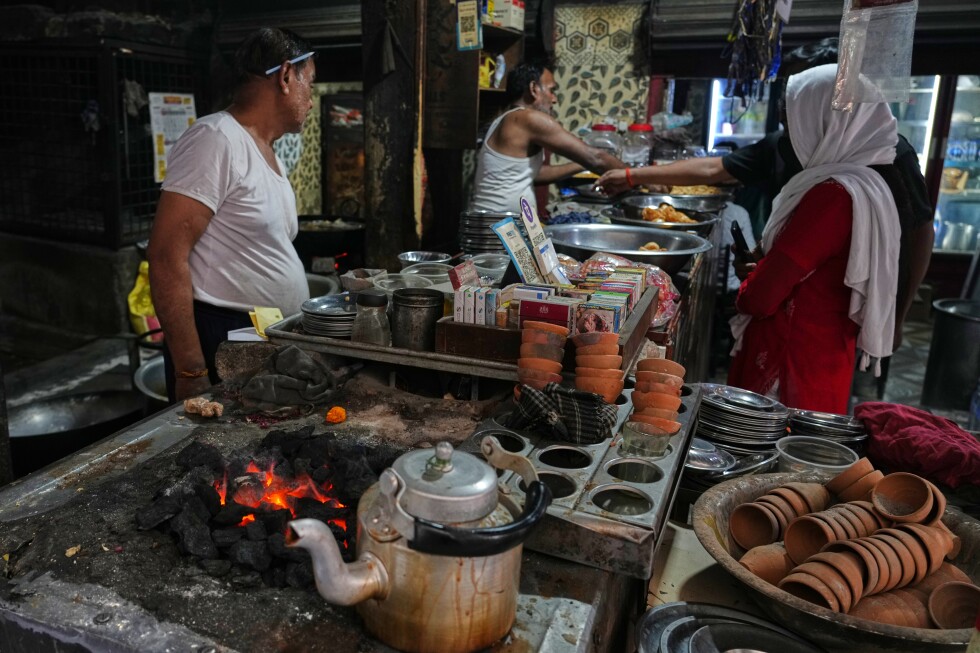
Conservation efforts across multiple regions are feeling the strain. Mayukh Chatterjee, co-chair of the International Union for Conservation of Nature’s conflict and co-existence specialist group, highlights an elephant conservation project in India’s northeastern Assam state where local eateries had successfully reduced wood use. “That all risks going back to square one,” he warns.
The energy crisis is creating additional ripple effects for wildlife protection. Tourism, which contributes approximately 14% to GDP in countries like Kenya and Tanzania and funds protected areas, faces pressure as rising fuel prices increase travel costs and disrupt aviation routes through Middle Eastern hubs.
“Less tourism means less income for conservation initiatives, fewer rangers and more opportunistic poaching,” Kahumbu explains. The economic strain might also push more people toward hunting bushmeat as an affordable protein source.
Conservation work itself relies heavily on transportation. Field operations in remote areas require regular travel, often by motorbike or other vehicles. Higher fuel costs can limit mobility for anti-poaching patrols and wildlife management teams.
Chatterjee emphasizes that quick response times are critical when managing human-wildlife conflicts in South Asia. Conservation teams must rapidly deploy to secure areas, manage crowds, and safely handle animals before situations escalate. Fuel shortages that delay these responses increase the risk of injuries or deaths.
African governments have options to mitigate these impacts but have been slow to implement solutions. Kahumbu advocates for targeted subsidies to protect vulnerable households and stronger support for local energy alternatives like biogas, solar, and geothermal power.
“Treat conservation as essential infrastructure during economic shocks,” she urges, highlighting the interconnected nature of energy security, environmental protection, and human welfare.
As global energy markets continue to fluctuate, the environmental consequences in developing regions serve as a reminder that economic shocks often have their most profound impacts on both the most vulnerable communities and the natural systems they depend upon.
Fact Checker
Verify the accuracy of this article using The Disinformation Commission analysis and real-time sources.

11 Comments
The health impacts of reverting to traditional fuels like charcoal are also concerning. Governments will need to prioritize access to cleaner energy sources to protect both the environment and public health.
You make a good point. The human toll of this energy crisis could be severe if action isn’t taken to support communities in transitioning to cleaner, safer fuels.
It’s troubling to see the Iran conflict having such widespread impacts beyond just households. Protecting forests and wildlife habitats should be a top priority as energy costs rise.
Agreed. Innovative solutions are needed to ensure vulnerable communities can afford cleaner energy options and reduce the pressure on natural resources.
This is a sobering reminder of the complex, interconnected nature of global challenges. Policymakers will need to take a comprehensive approach to address the energy crisis and its environmental consequences.
This is a concerning development. Rising energy costs could undermine hard-won environmental progress in developing regions. Increased reliance on traditional fuels like charcoal may lead to deforestation and human-wildlife conflicts.
You’re right, this is a tricky situation. Governments will need to find ways to subsidize or provide access to cleaner fuels to avoid these unintended consequences.
This is a complex issue with far-reaching consequences. Balancing energy affordability, environmental protection, and public health will require coordinated, long-term solutions from policymakers.
This is a stark reminder of the interconnected nature of global events and environmental challenges. Rising energy costs threaten hard-won conservation gains in some of the world’s most vulnerable regions.
It’s worrying to see hard-won environmental progress potentially unraveling due to the ripple effects of the Iran conflict. Protecting forests and wildlife habitats should be a top priority as energy costs rise.
Absolutely. Innovative solutions that make cleaner fuels accessible and affordable for vulnerable communities will be crucial to mitigate the environmental impacts.