


Listen to the article
Iran has offered to end its blockade of the Strait of Hormuz while requesting the U.S. lift its own blockade of Iranian ports, according to two regional officials familiar with the negotiations. The proposal, conveyed to Washington through Pakistani intermediaries, notably omits addressing Iran’s nuclear program—a key sticking point for the U.S.
President Donald Trump has signaled resistance to the offer, insisting that any comprehensive deal must include curbing Iran’s nuclear ambitions. “We have all the cards. If they want to talk, they can come to us, or they can call us,” Trump told Fox News on Sunday.
The standoff continues to disrupt global shipping through the strategic waterway, through which approximately 20% of the world’s traded oil and natural gas typically passes. This has sent Brent crude prices soaring to around $107 per barrel, up from $72 before the conflict began.
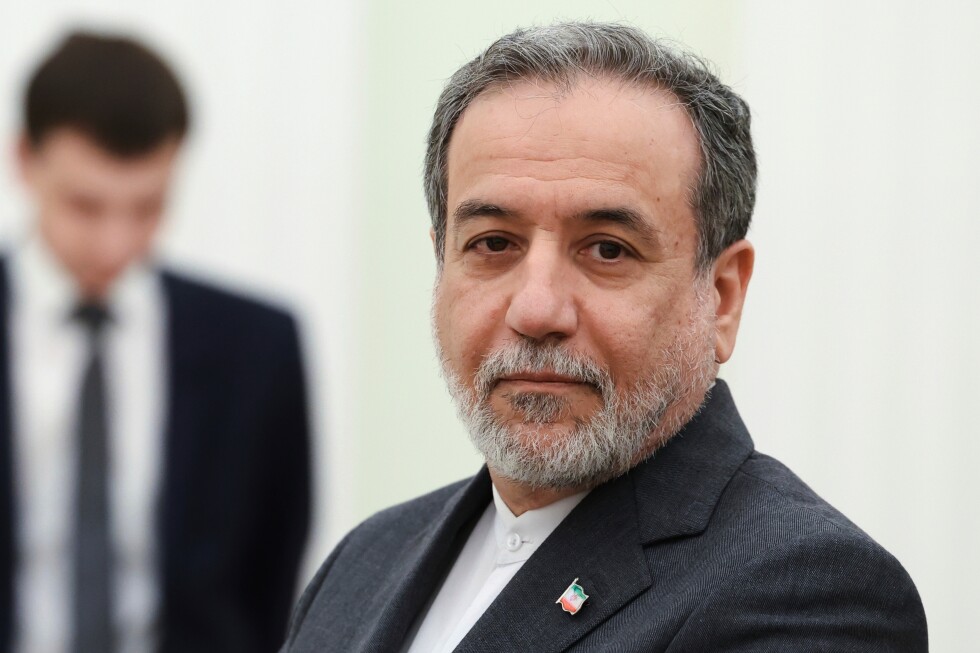
Iranian Foreign Minister Abbas Araghchi arrived in St. Petersburg on Monday for discussions with Russian President Vladimir Putin, following stops in Pakistan and Oman. The diplomatic tour comes amid ongoing tensions after the U.S.-Iranian ceasefire established on April 7, which halted direct military confrontations but left the maritime blockades in place.
“It is a good opportunity for us to consult with our Russian friends about the developments that have occurred in relation to the war during this period and what is happening now,” Araghchi said in a video interview with Iran’s state-run IRNA news agency.
Pakistan’s efforts to revive negotiations between the U.S. and Iran hit a setback when Trump called off a planned delegation to Islamabad, led by envoys Steve Witkoff and Jared Kushner. The president cited lack of progress with Tehran as the reason for cancellation, saying, “If they want, we can talk but we’re not sending people.”
Araghchi blamed Washington’s “excessive demands” for the delays in negotiations. Trump has questioned the coherence of Iran’s leadership structure, suggesting that confusion within the theocracy has complicated efforts to reach an agreement.
In a notable diplomatic maneuver, Iran is seeking to persuade Oman—which shares control of the strait with Iran—to support a mechanism for collecting tolls from vessels passing through the waterway. This proposal comes as the economic fallout from the near-closure of the strait continues to grow, disrupting global shipments of oil, liquefied natural gas, fertilizer, and other critical supplies.
The regional official involved in mediation efforts indicated that Iran is insisting on the termination of the U.S. blockade before entering new talks, creating a significant hurdle that Pakistani mediators are attempting to overcome.
Despite extending the ceasefire indefinitely last week, Trump has maintained a firm military posture, ordering U.S. forces to “shoot and kill” small vessels suspected of placing mines in the waterway. Iran’s joint military command has warned of a “strong response” if the U.S. continues what it termed “aggressive military actions, including naval blockades, banditry, and piracy.”
Nuclear concerns remain central to the conflict. Trump emphasized that preventing Iran from obtaining a nuclear weapon is a non-negotiable condition for any agreement. According to the U.N. nuclear watchdog agency, Iran currently possesses 440 kilograms of uranium enriched to 60% purity—just short of weapons-grade levels.
The human toll of the broader conflict remains devastating. At least 3,375 people have been killed in Iran and 2,509 in Lebanon, where fighting between Israel and Hezbollah resumed shortly after the Iran war began. In Israel, at least 23 people have lost their lives, with additional casualties reported in Gulf Arab states, including 15 Israeli soldiers in Lebanon, 13 U.S. service members in the region, and six U.N. peacekeepers in southern Lebanon.
A separate ceasefire between Israel and Hezbollah has been extended by three weeks, though the Lebanese militant group has not participated in the Washington-brokered diplomatic efforts aimed at reaching a broader regional settlement.
Fact Checker
Verify the accuracy of this article using The Disinformation Commission analysis and real-time sources.

7 Comments
The global shipping disruptions through the Strait of Hormuz have certainly impacted energy markets, driving up crude oil prices. Any move to stabilize that critical waterway would be welcome news for the commodities sector.
Agreed. Reducing geopolitical tensions in the region could help bring more certainty and predictability to energy supply chains.
This diplomatic dance between Iran and the U.S. is quite complex. Linking the nuclear program to the Strait of Hormuz negotiations adds another layer of complexity. I wonder if there are opportunities for compromise or creative solutions that address both countries’ core concerns.
The impact of the Strait of Hormuz disruption on energy prices highlights the importance of this strategic waterway. While Iran’s proposal is intriguing, the geopolitical complexities involved make me cautious about expecting a near-term breakthrough.
The potential easing of the Strait of Hormuz blockade is an interesting development, though the nuclear program issue remains a major sticking point. It will be important to see how the negotiations progress and whether a comprehensive deal can be reached.
I’m skeptical that Iran’s offer to ease the Strait of Hormuz blockade will lead to a quick resolution, given the unresolved nuclear program dispute. However, any steps towards de-escalation in the region would be welcome news for the global economy and energy markets.
Interesting diplomatic maneuvering by Iran. Easing the chokehold on the Strait of Hormuz could be a positive step, but linking it to lifting blockades seems like a strategic bargaining chip. I’m curious to see how the U.S. responds to this proposal.