


Listen to the article
Global Electricity Demand Set to Outpace Energy Growth, IEA Report Finds
Electricity demand is projected to rise significantly faster than overall energy consumption in the coming decades, highlighting an urgent need for diverse energy sources, according to a new analysis released Wednesday by the International Energy Agency (IEA).
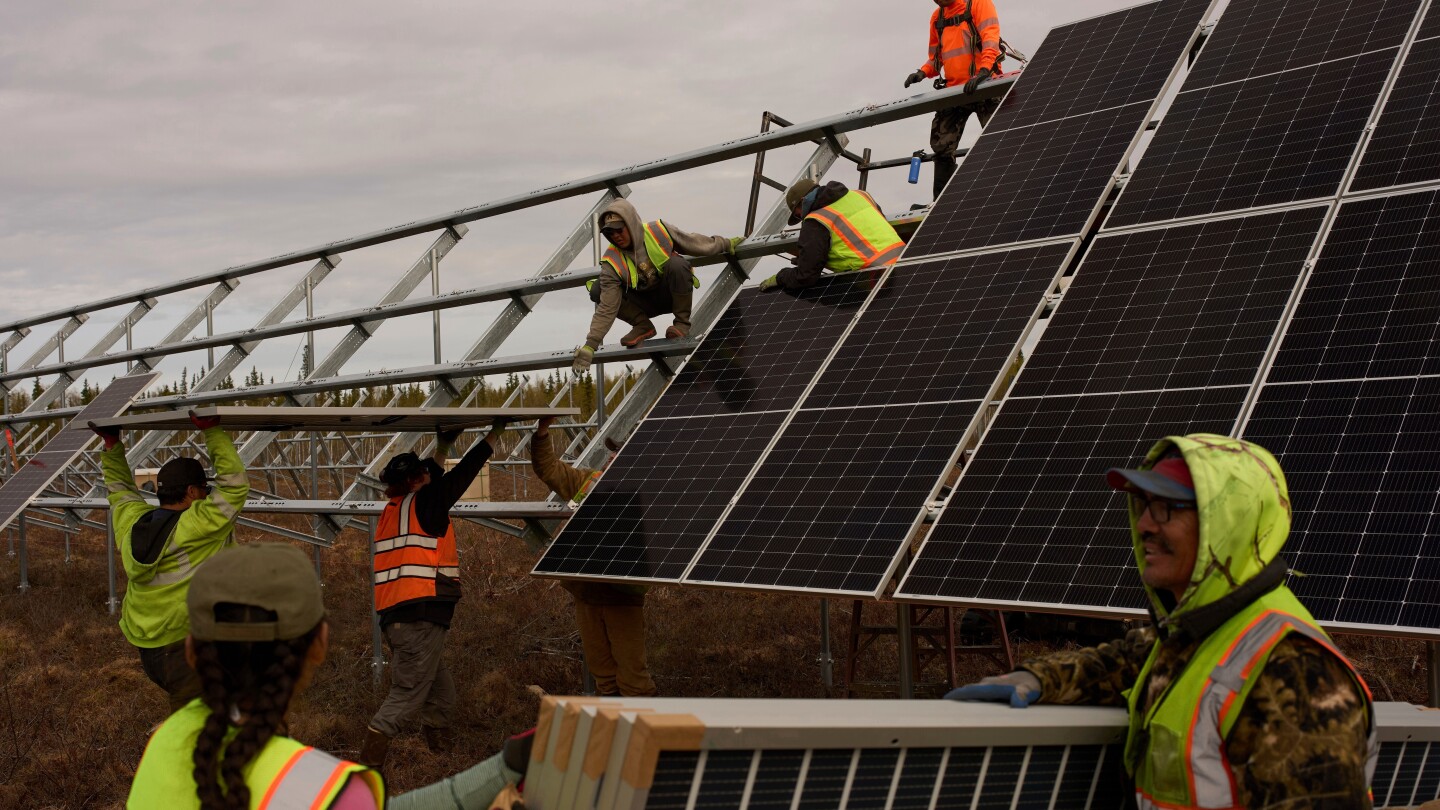
The annual World Energy Outlook report, coinciding with UN climate negotiations in Brazil, forecasts that renewable energy—particularly solar power—will outpace all other major energy sources in growth over the next few years. It also predicts that global demand for coal and oil will likely peak before the end of this decade.
“When we look at the history of the energy world in recent decades, there is no other time when energy security tensions have applied to so many fuels and technologies at once,” said IEA Executive Director Fatih Birol in a statement accompanying the report.
The assessment highlights a significant shift in electricity consumption patterns. “In a break from the trend of the past decade, the increase in electricity consumption is no longer limited to emerging and developing economies,” Birol noted, pointing to rising electricity use in advanced economies as well.
During a conference call Wednesday, Birol emphasized the dramatic nature of this change: “We will still use oil, we will still use gas. But the growth of electricity demand is spectacular.”
The report indicates that investment in data centers is expected to reach $580 billion this year, exceeding investment in oil supply. This surge reflects the growing energy demands of digital infrastructure, along with increased needs for heating, cooling, and broader electrification efforts.
While China has dominated global energy growth—accounting for half the increase in oil and gas demand and more than half for electricity since 2010—other regions are increasingly shaping energy market dynamics. Growing economies in India, Southeast Asia, the Middle East, Africa, and Latin America are positioned to play larger roles, particularly in solar power development.
The IEA emphasizes that transportation, which accounts for 45% of global oil consumption, represents a critical sector for energy transition. “How the electrification of transportation takes place, especially in countries beyond China and Europe, will determine the shape of oil demand and growth,” Birol explained.
Despite policy shifts in the United States, where the Trump administration has withdrawn from the Paris climate agreement and rolled back numerous climate regulations while supporting fossil fuel industries, energy analysts observe that the transition to clean power continues globally.
“The evidence on the ground is overwhelming. EV sales are taking off in many emerging countries, solar is permeating even through the Middle East,” said Dave Jones, chief analyst at global energy think tank Ember. “Renewables and electrification will dominate the future.”
The report also highlights that nuclear power capacity is set to increase by at least a third by 2035 after years of stagnation. Additionally, many natural gas projects were approved in 2025 due to U.S. policy changes, suggesting worldwide supply will rise despite uncertainties about future demand patterns.
The IEA advocates for greater energy system resilience through diversified energy sources and international cooperation in expanding supply chains for critical minerals used in batteries, electric vehicles, and renewable energy components. It also calls for rapid improvements to power grids, energy storage, and broader infrastructure.
Despite progress in the energy sector, significant challenges remain. Around 730 million people still lack access to electricity, and nearly one-quarter of the global population relies on inefficient cooking methods that harm health or the environment. Meanwhile, 2024 has been recorded as the hottest year in history, underscoring the urgent climate challenges facing the energy sector.
Some critics, however, question whether the IEA outlook fully captures the momentum in renewable energy deployment. Ben Backwell, CEO of the Global Wind Energy Council, suggested the report does not adequately reflect the accelerating trajectory of renewable energy, driven by decreasing costs, supportive policies, and electrification trends.
“We’re accelerating,” Backwell said. “You can see it all around the world and we can see it in our numbers for last year, but also in our numbers for the first half of this year. It looks very, very exciting, both for wind and for solar.”
While the outlook acknowledges the likelihood of surpassing the 1.5 degrees Celsius warming threshold established in the Paris Agreement, environmental advocates maintain that staying below this critical point remains possible with appropriate action and policy support.
Fact Checker
Verify the accuracy of this article using The Disinformation Commission analysis and real-time sources.

15 Comments
The projected rise in electricity demand outpacing overall energy consumption is an important trend. Renewable energy, especially solar, will be crucial in meeting this growing need.
Absolutely, the report underscores the importance of rapidly scaling up renewable capacity to keep pace with the increasing electricity demands.
The rising electricity consumption patterns, even in developed economies, underscore the urgency of diversifying energy sources and improving grid resiliency.
Absolutely, the global nature of this trend highlights the need for a coordinated, international approach to sustainable energy solutions.
The forecasted peak in coal and oil demand before the end of the decade is a significant milestone, but the transition to cleaner energy sources will require substantial investment and policy support.
Agreed, the energy transition will be complex, but the benefits of a more sustainable, resilient energy system make it a necessary and worthwhile endeavor.
It’s interesting to see the IEA forecasting peak demand for coal and oil before the end of the decade. This signals a significant energy transition is underway.
The peaking of coal and oil demand is a notable shift that will require strategic planning and investment in alternative energy sources.
The report’s emphasis on energy security tensions across multiple fuels and technologies is a sobering reminder of the complexities involved in meeting future energy needs.
The report’s findings highlight the need for a holistic, global approach to energy planning that considers economic, environmental, and geopolitical factors.
While the growth of renewable energy is promising, the report suggests that a balanced, diverse energy mix is still crucial to ensure reliable and secure power supply.
The projected rise in electricity demand and the shift in consumption patterns underscore the importance of modernizing and upgrading power grid infrastructure worldwide.
Absolutely, investing in grid modernization and integration of renewable sources will be crucial to meet the growing electricity needs.
Ensuring diverse and resilient energy production is critical to meet the world’s growing demand. The IEA report highlights the need for a balanced energy mix, including renewable sources like solar, to enhance energy security.
Agreed, a diversified energy portfolio is key to navigating the shifting landscape and providing reliable, sustainable power for the future.