


Listen to the article
BBC in Crisis as Director-General Resigns Amid Trump Documentary Controversy
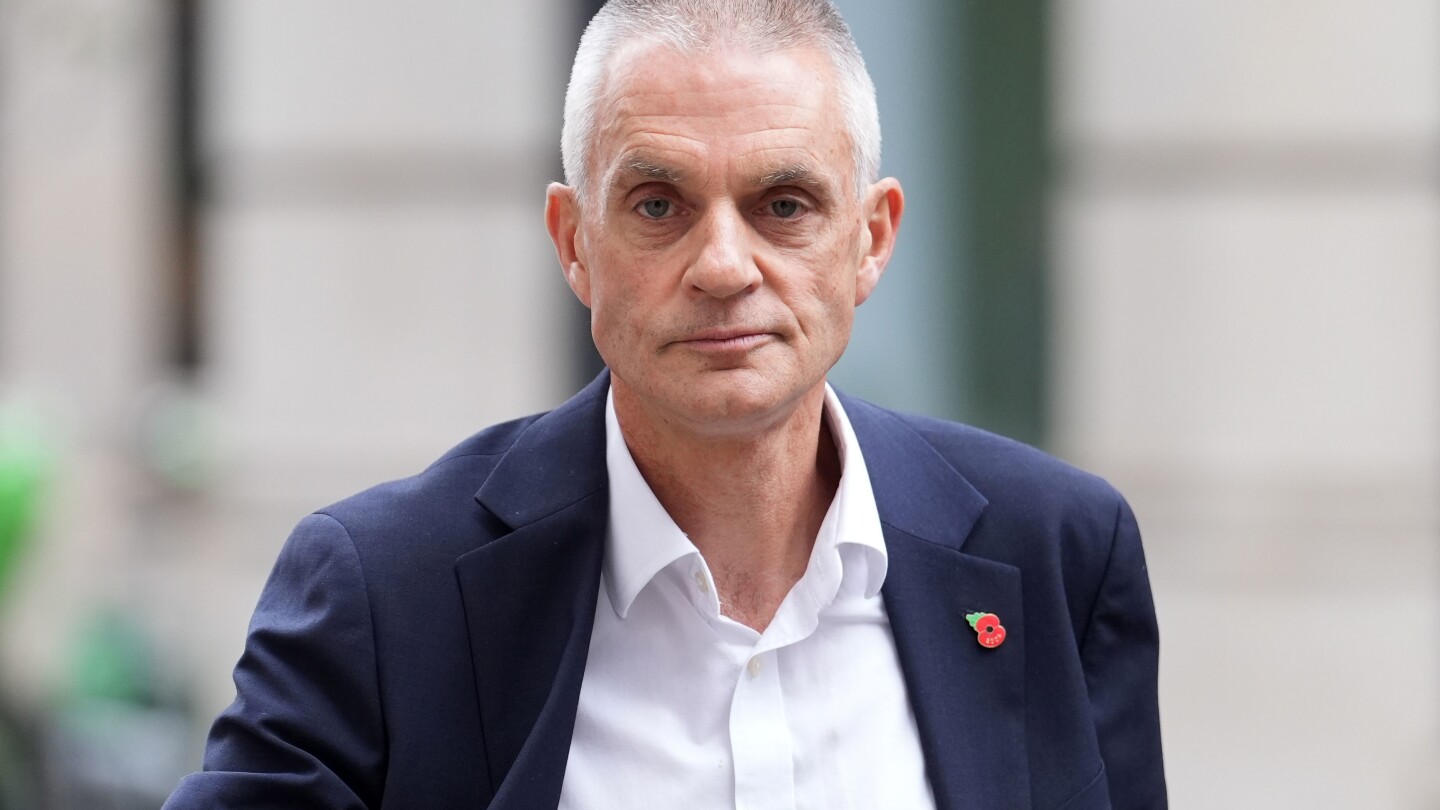
The BBC faces its most serious crisis in years following the resignations of Director-General Tim Davie and head of news Deborah Turness on Sunday. Their departures come in the wake of accusations that the public broadcaster misled viewers by deceptively editing former U.S. President Donald Trump’s speech from January 6, 2021, in a recent documentary.
The controversy erupted after the airing of “Panorama: Trump: A Second Chance?” on October 28, just days before the U.S. presidential election. The documentary allegedly spliced together clips of Trump’s speech to make it appear as if he had urged supporters to “fight like hell” without including his call for peaceful demonstration.
Trump has threatened legal action against the BBC, demanding compensation for what his team described as “false, defamatory, disparaging, and inflammatory statements.” The former president is reportedly seeking $1 billion in damages. On social media, Trump called the BBC “very dishonest people who tried to step on the scales of a Presidential Election.”
BBC Chair Samir Shah has publicly apologized for what he termed an “error of judgment” in the documentary’s editing. The admission represents a significant blow to the broadcaster’s reputation for impartiality, a cornerstone of its public service mandate.
The controversy came to light after Michael Prescott, an external adviser to the BBC’s editorial guidelines committee, raised concerns about “institutional bias” in an internal memo to the board. The Daily Telegraph, a right-leaning British newspaper, began publishing details from this memo on November 3, igniting public outcry.
White House press secretary Karoline Leavitt further inflamed the situation, telling The Telegraph on November 7 that the BBC is “100% fake news” and that British taxpayers were being “forced to foot the bill for a leftist propaganda machine.”
Davie’s five-year tenure as Director-General, which began in 2020, has been marked by a series of controversies that have damaged public trust in the institution. In 2021, he issued a “full and unconditional” apology after an investigation found that former BBC journalist Martin Bashir had used fake bank statements to secure his landmark 1995 interview with Princess Diana.
The corporation has also faced several high-profile personnel scandals. In July 2023, Huw Edwards, the broadcaster’s highest-paid news anchor, was suspended over allegations he paid a teenager for sexually explicit photos. Edwards later pleaded guilty to possessing unrelated images of child sexual abuse.
More recently, the BBC was condemned for livestreaming a performance by rap punk duo Bob Vylan, who led festival crowds in chanting “death” to the Israeli military. The BBC’s own complaints unit later found the broadcast violated editorial guidelines regarding harm and offense.
In October, Britain’s media regulator sanctioned the BBC for a “materially misleading” documentary about children in Gaza, citing failure to disclose that the teenage narrator’s father held a position in the Hamas administration.
The public broadcaster has also faced criticism over its handling of complaints against presenters, including Gregg Wallace, a longtime co-presenter of the popular cooking contest “MasterChef,” who was dismissed following allegations of inappropriate conduct by multiple women.
Adding to the BBC’s challenges, Gary Lineker, its highest-paid presenter and former England soccer star, announced in May that he was leaving his role after facing criticism for reposting an Instagram story about Zionism that included an image of a rat.
As a publicly funded institution with a mandate to provide impartial news coverage, the BBC relies heavily on public trust. These ongoing controversies threaten to undermine that trust at a time when traditional media outlets are already facing intense scrutiny and competition from alternative information sources.
The organization now faces the challenging task of appointing new leadership and implementing reforms to restore its reputation for accuracy and impartiality in an increasingly polarized media landscape.
Fact Checker
Verify the accuracy of this article using The Disinformation Commission analysis and real-time sources.

9 Comments
This is a serious crisis for the BBC. Deceptive editing of Trump’s speech undermines public trust in the broadcaster’s integrity. The BBC needs to conduct a thorough investigation and hold those responsible accountable.
Trump’s threat of legal action raises the stakes considerably. The BBC needs to tread carefully and ensure its reporting is scrupulously accurate, especially when covering polarizing political figures.
This controversy highlights the challenges public broadcasters face in covering contentious political figures and events. The BBC must find a way to report objectively without being accused of bias.
The BBC’s apology is a start, but substantial reforms may be needed to restore its reputation for impartial and trustworthy reporting. Viewers deserve a news source they can rely on.
The BBC’s reputation for impartial and reliable journalism is on the line here. Splicing Trump’s speech to distort his message is unacceptable and raises concerns about potential political bias.
I agree, the BBC must restore its credibility through transparent actions. Viewers deserve the full, unedited context, not selectively chosen clips.
It’s concerning to see the BBC embroiled in such a high-profile controversy over alleged deception. Transparency and accountability will be crucial in resolving this issue and rebuilding trust.
The resignation of senior BBC leaders suggests this is a deeper problem than just a single editorial lapse. The organization must thoroughly examine its editorial processes and cultures to prevent future missteps.
Agreed, leadership changes alone won’t fix the underlying issues. A comprehensive review of the BBC’s journalistic standards and practices is essential to regain public confidence.