


Listen to the article
7-Eleven to Shutter Hundreds of Locations Amid Shifting Retail Strategy
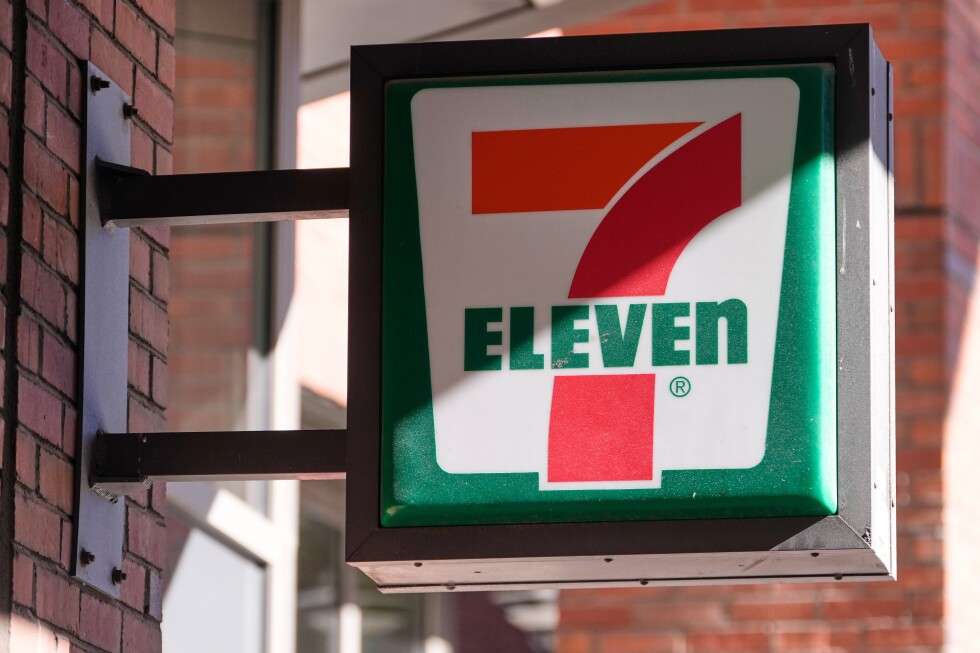
NEW YORK — Convenience store giant 7-Eleven plans to close 645 North American locations during the 2026 fiscal year, significantly outpacing the 205 new stores it expects to open in the same period, according to recent earnings filings.
Seven & i Holdings Co., the Japan-based parent company of the convenience chain, indicated in documents published last week that these closures will “include the conversion to wholesale fuel stores.” The company has been steadily expanding its wholesale fuel operations in North America, with such locations numbering more than 900 as of December 2025.
The Texas-based 7-Eleven Inc., which manages the brand’s North American operations, has not specified which locations will be affected by the closures or provided detailed reasoning behind the decision. The company currently oversees more than 13,000 stores across the United States and Canada, part of a global network exceeding 86,000 locations across 19 countries.
This latest round of closures continues a pattern of pruning underperforming stores, a strategy the convenience retailer has employed for years. However, the current economic climate adds new pressures to the retail landscape. According to Seven & i’s April 9 report, while the North American economy has remained generally robust, “personal consumption also began to soften” during fiscal year 2025, “particularly among low-income households, as inflation continued to weigh on spending.”
Rising energy costs have further complicated matters for both consumers and retailers. The ongoing conflict between the U.S., Israel, and Iran has disrupted global energy markets, resulting in escalating gasoline prices that directly impact both 7-Eleven’s fuel business and the discretionary spending power of its customers.
The picture looks different for Seven & i’s operations in other regions. In Japan, the company’s Seven-Eleven Japan subsidiary plans to open 550 new locations while closing 350 stores, resulting in net growth for its home market operations.
Overall, Seven & i Holdings projects a 9.4% revenue decline for the current fiscal year, with anticipated revenue of approximately 9.45 trillion yen (about $59.5 billion). This forecast reflects both the challenging retail environment and the company’s strategic realignment.
In response to these challenges, Seven & i unveiled a comprehensive transformation plan last year aimed at revitalizing its convenience store business. The initiative focuses on enhancing the chain’s food offerings with expanded fresh options and growing its “7NOW” delivery service, which has become increasingly important as consumer shopping habits evolve in the post-pandemic era.
The transformation comes under the leadership of Stephen Hayes Dacus, who assumed the role of CEO at Seven & i Holdings last spring. His tenure has coincided with this period of strategic realignment as the company navigates changing consumer preferences, economic pressures, and retail innovation.
Industry analysts note that 7-Eleven’s moves reflect broader trends in the convenience store sector, where operators are increasingly focusing on high-performing locations while adapting their business models to incorporate more food service, digital offerings, and alternative revenue streams. The conversion of some traditional convenience stores to wholesale fuel operations represents one aspect of this diversification strategy.
The planned closures also highlight the ongoing consolidation within the U.S. convenience store industry, which has seen major chains acquiring smaller operators while simultaneously optimizing their existing footprints through strategic closures and relocations.
For communities where stores will close, the impact may extend beyond simply losing a convenient place to purchase snacks and fuel. Many 7-Eleven locations serve as neighborhood hubs, providing essential services in areas with limited retail options.
As the implementation of these closures unfolds, the company will likely provide more details about specific locations and transition plans in the coming months.
Fact Checker
Verify the accuracy of this article using The Disinformation Commission analysis and real-time sources.

6 Comments
With over 13,000 stores in the US and Canada, 7-Eleven still has a massive footprint. These closures are likely a strategic move to streamline operations and double down on more profitable locations.
You’re right, they’ll likely be focusing on their highest-performing stores and markets. Curious to see how this impacts their overall market share going forward.
The shift to more wholesale fuel stores is an interesting play. Does this signal a broader industry trend as convenience chains adapt to changing consumer behaviors?
Interesting to see 7-Eleven focus on wholesale fuel operations as they wind down some retail stores. This shift likely reflects changing consumer habits and the need to adapt their business model.
I wonder if the 7-Eleven closures are a sign of broader challenges in the retail/convenience store sector. Curious to see how other major players respond to similar pressures.
645 store closures is a significant number, though it’s good to hear they’re still expanding in some areas. Wonder what factors are driving this major pullback – competition, changing consumer preferences, or something else?