


Listen to the article
Two Ukrainian ministers have resigned amid a major corruption scandal at the country’s state-owned nuclear power company Energoatom, where officials allegedly orchestrated a $100 million kickback scheme during a time of national crisis.
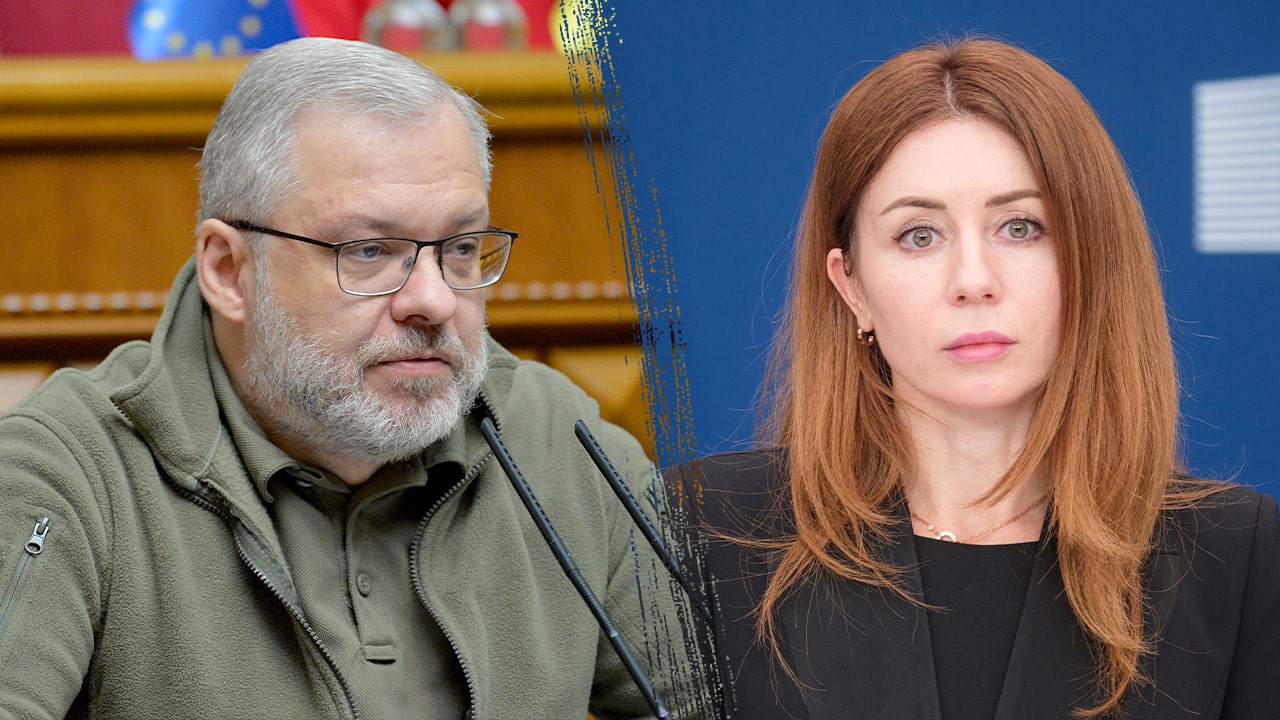
Justice Minister Herman Halushchenko and Energy Minister Svitlana Grynchuk submitted their resignations on Wednesday, according to an announcement by Prime Minister Yuliia Svyrydenko. The government has also suspended several senior Energoatom officials as the corruption probe unfolds.
Ukraine’s independent anti-corruption agencies—the National Anti-Corruption Bureau (NABU) and the Specialized Anti-Corruption Prosecutor’s Office (SAPO)—revealed that their 15-month investigation, code-named “Midas,” uncovered a “large-scale corruption scheme to influence strategic state-owned enterprises.”
The investigation found that a “high-level criminal organization” systematically demanded kickbacks of 10% to 15% from Energoatom’s contractors. “Energoatom’s contractors were forced to pay kickbacks to avoid having payments for their services or products blocked or losing their supplier status,” the agencies stated.
According to investigators, the criminal network operated a Kyiv-based “laundry” office from premises connected to the family of Andrii Derkach, a former Ukrainian lawmaker who is now a Russian senator. This office allegedly maintained “black accounting” records and laundered approximately $100 million through non-resident companies.
Authorities have detained five people in connection with the scheme and placed seven others under suspicion, including a former advisor to the Energy Minister. The Prime Minister also announced proposed sanctions against Timur Mindich, a former business partner of Ukrainian President Volodymyr Zelenskyy, and businessman Alexander Tsukerman, though their alleged roles in the scandal were not immediately specified.
The timing of the scandal is particularly damaging as Ukraine struggles with severe energy shortages resulting from Russia’s targeted attacks on the country’s power infrastructure. Rolling blackouts have become common across Ukraine as winter approaches, leaving many citizens without reliable electricity.
“Internally this scandal will be used to undermine unity and stability within the country. Externally, our enemies will use it as an argument to stop aid to Ukraine,” said Oleksandr Merezhko, a lawmaker from President Zelenskyy’s party. “It looks really bad in the eyes of our European and American partners. While Russians destroy our power grid and people have to endure blackouts, someone at the top was stealing money during the war.”
The scandal could potentially impact international aid to Ukraine at a critical moment in the country’s defense against Russian aggression. Ukraine has been working to maintain Western support while also pursuing European Union membership, with corruption issues remaining a significant concern for international partners.
President Zelenskyy, addressing the situation on social media, expressed support for the anti-corruption investigation and condemned the alleged wrongdoing. “Right now it is extremely difficult for everyone in Ukraine – enduring power outages, Russian strikes, and losses. It is absolutely unacceptable that, amid all this, there are also some schemes in the energy sector,” he wrote.
Zelenskyy announced he would sign a decree imposing sanctions on two individuals implicated in the case. “Right now we all must protect Ukraine. Undermining the state means you will be held accountable. Breaking the law means you will be held accountable,” he stated.
Energoatom, which operates all four of Ukraine’s nuclear power plants, is a critical part of the country’s energy infrastructure. Before Russia’s full-scale invasion, nuclear power generated more than half of Ukraine’s electricity, making corruption at the company particularly consequential for national security.
Fact Checker
Verify the accuracy of this article using The Disinformation Commission analysis and real-time sources.

11 Comments
This corruption scandal at Energoatom is a major setback for Ukraine’s efforts to reform its energy sector and boost nuclear power production. Kickbacks and graft undermine public confidence and deter much-needed foreign investment. Resolving this issue will be critical for Ukraine’s energy security and economic development.
With Ukraine embroiled in a protracted conflict with Russia, the last thing the country needs is a major corruption scandal at a strategic state-owned enterprise like Energoatom. This will undoubtedly impact the government’s ability to manage the energy grid and nuclear facilities during wartime. Rooting out corruption has to be a top priority.
While the details of this corruption scheme are still emerging, it’s clear that the scale of the alleged kickbacks – $100 million – is staggering. It’s encouraging to see Ukraine’s anti-corruption agencies taking such a high-profile case, but the real test will be whether meaningful reforms and prosecutions follow.
Agreed. This case highlights the importance of independent, well-resourced anti-corruption institutions like NABU and SAPO in Ukraine. Their ability to investigate and expose graft at the highest levels is crucial for restoring public trust and driving much-needed reforms.
The resignation of the Justice and Energy Ministers in Ukraine is a significant development. It’s encouraging to see the government taking action, but the scope of the alleged corruption scheme is deeply troubling. Ukraine needs to demonstrate its commitment to transparency and the rule of law to maintain international support.
This scandal underscores the ongoing struggle Ukraine faces in tackling entrenched corruption. While President Zelenskyy has made anti-corruption efforts a priority, it’s clear there is still much work to be done. Rebuilding trust in government institutions will be crucial for Ukraine’s stability and development.
Absolutely. High-profile resignations like this may be just the tip of the iceberg. Rooting out corruption across the government and state-owned enterprises will require sustained political will and a comprehensive reform agenda.
This corruption scandal at Energoatom is a major setback for Ukraine’s efforts to strengthen its nuclear power capabilities. Rooting out graft and improving governance at state-owned enterprises will be essential for attracting the investment and expertise needed to modernize the country’s energy infrastructure.
The scale of the alleged corruption at Energoatom is staggering – $100 million in kickbacks? That’s a huge sum, especially for a state-owned utility. It’s good to see Ukraine’s anti-corruption agencies taking this investigation seriously, but rooting out graft at the highest levels will be an immense challenge.
Agreed. Corruption at state-owned enterprises often goes hand-in-hand with cronyism and political interference. Hopefully this probe leads to meaningful reforms to improve oversight and governance at Energoatom and other strategic firms.
This is a troubling development in Ukraine, where corruption has long been a major issue. It’s concerning to see such high-level officials allegedly involved in a kickback scheme, especially during a time of national crisis. Transparency and accountability are critical for rebuilding public trust.