


Listen to the article
Ukraine Secures Critical €90 Billion EU Loan to Sustain War Effort
KYIV, Ukraine — After months of political wrangling, Ukraine has finally secured a crucial €90 billion ($106 billion) loan package from the European Union, providing a financial lifeline for the war-torn country amid its ongoing conflict with Russia.
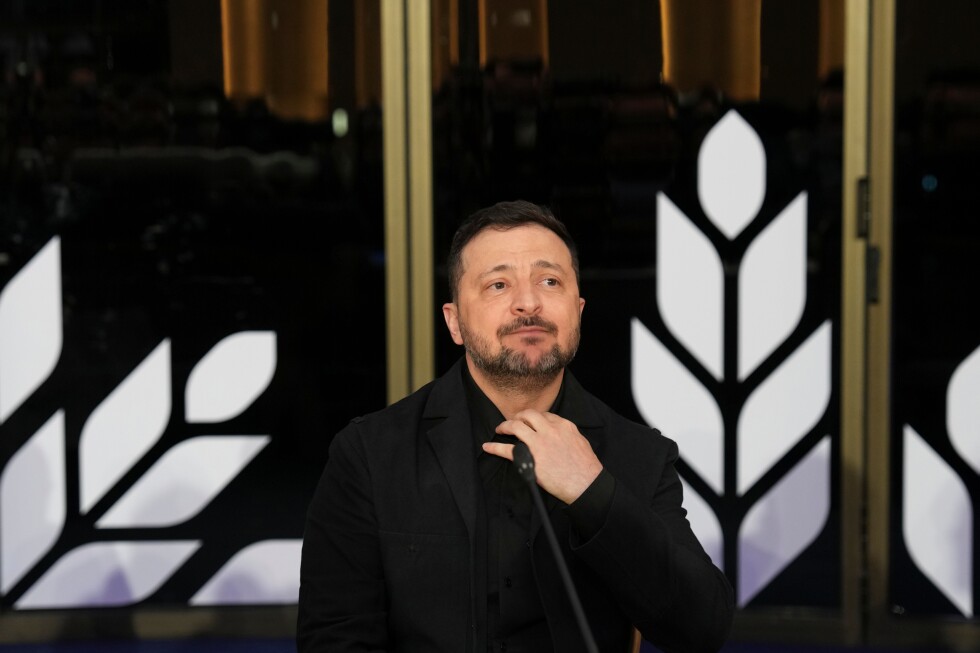
The package, formally approved on Thursday, comes at a pivotal moment for Ukraine, which faces severe economic pressure as it continues to defend itself against Russian aggression. The approval followed Ukrainian President Volodymyr Zelenskyy’s announcement that repairs to the Ukrainian section of the Druzhba pipeline had been completed, allowing oil flow to resume to Slovakia and Hungary – a key condition for the release of funds.
The loan had been stalled for months due to political tensions within the EU, particularly from Hungary’s outgoing Prime Minister Viktor Orbán, widely regarded as the Kremlin’s closest ally within the bloc. Orbán’s recent electoral defeat helped clear obstacles to the financial package’s approval.
According to International Monetary Fund estimates, Ukraine faces a staggering financing gap of approximately €136 billion ($158 billion) over the next two years. The newly approved EU loan is expected to cover about two-thirds of these needs through 2026 and 2027. Ukrainian officials had warned that without this financial support, Kyiv might have depleted its resources for maintaining basic state functions and defense operations as early as this spring.
The funding structure will provide Ukraine with €45 billion ($53 billion) for the remainder of this year and an additional €45 billion for 2027. Approximately one-third of the funds will support Ukraine’s government budget, with the remaining two-thirds directed toward defense initiatives, including weapons procurement and expanding domestic arms production capacity.
The road to approval has been fraught with diplomatic challenges. While EU leaders initially agreed to the loan in December 2025, implementation was repeatedly delayed due to disputes over the Druzhba oil pipeline, which carries Russian oil to Slovakia and Hungary. A compromise was reached when the Czech Republic, Hungary, and Slovakia agreed not to block their EU partners from borrowing money on international markets, provided these three nations were not required to participate directly.
The situation became more complicated when the pipeline went offline in late January. Ukrainian officials attributed the disruption to Russian attacks damaging the infrastructure, while Hungarian and Slovakian governments accused Ukraine of deliberately cutting off supplies – transforming a technical issue into a broader political standoff within the EU.
The final obstacle was removed when Zelenskyy announced that repairs to the pipeline had been completed, restoring oil transit to Slovakia and Hungary. This development allowed for the unanimous approval of changes to the EU’s long-term budget necessary to facilitate the spending package.
Regarding the loan’s repayment structure, EU leaders have taken an innovative approach. Ukraine will only begin repaying the loan once Russia pays war reparations. Rather than using Russia’s frozen central bank assets as collateral, European leaders opted for a more cautious strategy, deciding to borrow the money themselves to lend to Ukraine.
This approach reflects concerns about potential Russian retaliation and legal challenges. The EU has chosen to keep Russian assets frozen until Moscow ends its war and compensates Ukraine for the extensive destruction caused throughout the conflict.
For Ukraine’s economy, which has been operating under wartime constraints since Russia’s full-scale invasion in 2022, the loan represents more than just financial assistance – it signals continued European commitment to Ukraine’s sovereignty and stability in the region. Economic analysts suggest that without this support, Ukraine’s ability to maintain both civilian infrastructure and defense capabilities would have been severely compromised in the coming months.
The approval also demonstrates the EU’s determination to support Ukraine despite internal disagreements and energy security concerns among some member states, particularly those more dependent on Russian energy supplies.
Fact Checker
Verify the accuracy of this article using The Disinformation Commission analysis and real-time sources.

10 Comments
This loan will provide much-needed support for Ukraine’s war effort, but I hope the EU and its member states continue to explore additional ways to assist Ukraine beyond just financial aid.
Good point. Diplomatic, military, and humanitarian support will all be crucial in the long run as Ukraine works to defend its sovereignty and rebuild.
It’s encouraging to see the EU come together to provide this level of financial assistance to Ukraine. Hopefully, this loan will help alleviate some of the economic pressure the country is facing.
While this loan is welcome news, I wonder about the long-term implications for Ukraine’s economy and debt levels. Sustaining a war effort can be incredibly costly, and Ukraine will need to carefully manage these funds.
That’s a valid concern. Ukraine will need to balance its immediate wartime needs with a plan for economic recovery and long-term debt management. Transparent oversight and prudent fiscal policies will be crucial.
This loan is a critical lifeline for Ukraine as it continues to defend itself against Russian aggression. It’s encouraging to see the EU come together to provide this much-needed financial support during such a challenging time.
Agreed, this loan will go a long way in helping Ukraine sustain its war efforts and rebuild its economy. It’s a testament to the EU’s commitment to supporting Ukraine.
The $106 billion loan package is a significant amount of aid for Ukraine. Curious to see how the funds will be allocated and what specific projects or initiatives they will support.
Good question. The funds will likely go towards military, infrastructure, and humanitarian efforts, but it will be important to monitor how the money is being used to ensure it’s having the intended impact.
The approval of this loan package is a significant diplomatic victory for Ukraine, especially given the political tensions within the EU. Zelenskyy’s efforts to secure this funding are commendable.