


Listen to the article
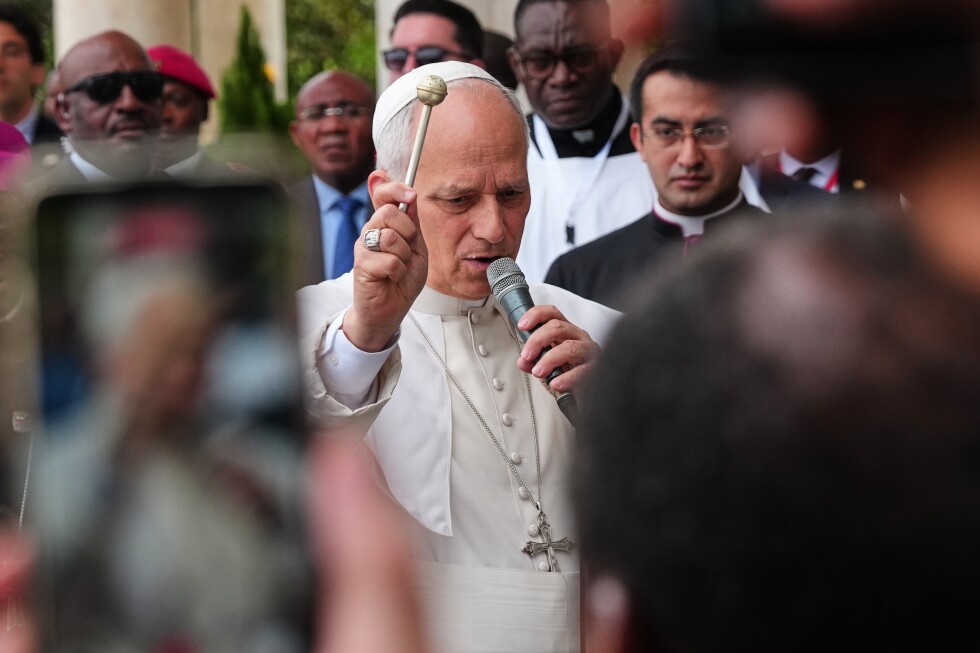
Pope Leo XIV delivered a powerful message to the people of Equatorial Guinea on Wednesday, calling for greater justice and urging the nation to address the stark gap “between the privileged and the disadvantaged” that has long characterized the oil-rich Central African nation.
The pontiff began his day with Mass in Mongomo, an eastern city on the Gabonese border that symbolizes the country’s economic disparity. While more than half of Equatorial Guinea’s population lives in poverty, Mongomo—hometown of President Teodoro Obiang Nguema Mbasogo—showcases opulent buildings, manicured gardens behind gilt-tipped gates, an 18-hole golf course, and serves as the starting point of the country’s only highway.
President Obiang, who has ruled for more than four decades amid accusations of widespread corruption and human rights abuses, attended the Mass alongside his wife and son, Vice President Teodoro “Teddy” Nguema Obiang. The younger Obiang was previously convicted by a French court of embezzling millions of euros, receiving a three-year suspended sentence and a €30 million fine. French authorities also seized his luxury properties and vehicles, actions that Equatorial Guinea has contested at the International Court of Justice.
An estimated 100,000 people gathered for the papal Mass at Mongomo’s Basilica of the Immaculate Conception, a monumental church consecrated in 2011 and modeled after St. Peter’s Basilica in Vatican City. Before the service, Pope Leo blessed the cornerstone of a future cathedral planned for Ciudad de la Paz, the country’s new capital, with the Obiang family by his side.
In his homily, the Pope called on citizens to collaborate in building a society “capable of engendering a new sense of justice,” where there is “greater room for freedom” and “the dignity of the human person always may be safeguarded.” He emphasized the importance of working to “serve the common good rather than private interests.”
Pope Leo later visited a prison in the port city of Bata, continuing a tradition established by his predecessor Pope Francis. This visit draws attention to Equatorial Guinea’s justice system, which has been repeatedly criticized by the United Nations, human rights organizations, and the U.S. State Department.
The U.S. State Department’s 2023 report on Equatorial Guinea documented numerous abuses, including arbitrary killings and arrests, political detentions, torture, dangerous prison conditions, and significant problems with judicial independence.
Marta Colomer Aguilera, senior campaigner at Amnesty International’s West and Central Africa office, expressed “serious concerns about the human rights situation in Equatorial Guinea,” noting that torture has been used to extract confessions, human rights defenders face harassment, and the lack of judicial independence undermines fair trials.
In preparation for the Pope’s visit, the government reportedly released nearly 100 people who had been arrested during a 2022 crackdown on street violence, according to a local lawyer who requested anonymity due to safety concerns. However, political prisoners such as Gabriel Nsé Obiang and activists like Anacleto Micha and Joaquín Elo Ayeto remain detained.
Seventy human rights organizations published an open letter to Pope Leo on the eve of his prison visit, urging him to speak out against U.S. deportation of migrants to Equatorial Guinea and to discourage African nations from participating in such arrangements. Recent investigations revealed that Equatorial Guinea has received substantial payments from the Trump administration to accept migrants deported from the U.S. to countries other than their own, with at least 29 such individuals with no ties to the country being sent there.
Tutu Alicante, who runs the U.S.-based rights group EG Justice, called on the Pope to use his moral authority to address these abuses and highlight the detention of activists and politicians, stating, “There are individuals—prisoners of conscience, and human rights activists—in detention whose cases raise serious humanitarian and due process concerns.”
President Obiang, who welcomed Pope Leo on Tuesday, emphasized the Catholic faith of Equatorial Guinea and the “excellent relationships” maintained with the Holy See and the local Catholic Church. Meanwhile, Pope Leo has previously criticized the Trump administration’s migration deportation policy as “extremely disrespectful.”
As the Pope’s visit continues, human rights advocates hope his presence will bring greater international attention to Equatorial Guinea’s socioeconomic disparities and human rights challenges under one of the world’s longest-serving leaders.
Fact Checker
Verify the accuracy of this article using The Disinformation Commission analysis and real-time sources.

8 Comments
Equatorial Guinea’s vast oil wealth has clearly benefited only a small elite, while the majority of the population languishes in poverty. The Pope’s visit is a chance to shine a spotlight on this injustice and push the government to prioritize the needs of all its citizens.
It’s heartening to see the Pope using his platform to shine a light on the plight of the poor and disadvantaged in Equatorial Guinea. Hopefully, his visit can spur the government to finally prioritize the welfare of all its citizens, not just the ruling class.
While the Pope’s message of justice and calling out the disparity between the haves and have-nots is commendable, Equatorial Guinea’s long history of corruption and repression under Obiang’s regime casts doubt on whether meaningful change will actually occur.
You’re right, the country’s track record suggests the powerful elite are unlikely to relinquish their grip on power and wealth. Real reform will require immense political will and pressure from the international community.
The Pope’s visit to Equatorial Guinea’s prison highlights the stark inequality and human rights issues plaguing the country. It’s crucial that the government addresses these challenges and works to improve the lives of all its citizens, not just the privileged few.
The contrast between Mongomo’s opulence and the widespread poverty is a stark illustration of the inequality that has plagued Equatorial Guinea for decades. The Pope is right to call for greater justice and accountability from the Obiang regime.
The Pope’s condemnation of the gap between the privileged and disadvantaged in Equatorial Guinea is a powerful statement. However, the entrenched corruption and authoritarianism of the Obiang regime suggest that real progress will be an uphill battle.
While the Pope’s message is admirable, Equatorial Guinea’s history of human rights abuses and lack of democratic governance makes me skeptical that his visit will lead to any meaningful, lasting change. The country’s leaders have proven resistant to reform in the past.