


Listen to the article
Kazakhstan Jails 19 Activists for Protesting China’s Xinjiang Crackdown
A Kazakh court has convicted 19 activists following protests against China’s treatment of ethnic minorities in Xinjiang, marking what experts describe as an unprecedented crackdown on criticism of Beijing’s policies in the region.
The activists, all Kazakh nationals, were arrested after demonstrating near the Chinese border last November. During the protest, they burned Chinese flags and portraits of President Xi Jinping while demanding the release of a Kazakh citizen detained in Xinjiang last year.
Eleven of the protesters received five-year prison sentences for “inciting discord,” while eight others faced restrictions on their movement, according to Shinquat Baizhan, a lawyer representing the group. Local media also confirmed the sentences.
Human rights advocates say this case represents the largest mass imprisonment of Xinjiang activists in Kazakhstan’s history. “This is unprecedented,” said Yalkun Uluyol, a China researcher at Human Rights Watch. “It signals that Kazakhstan is willing to sacrifice freedom of its people to maintain good relations with Beijing.”
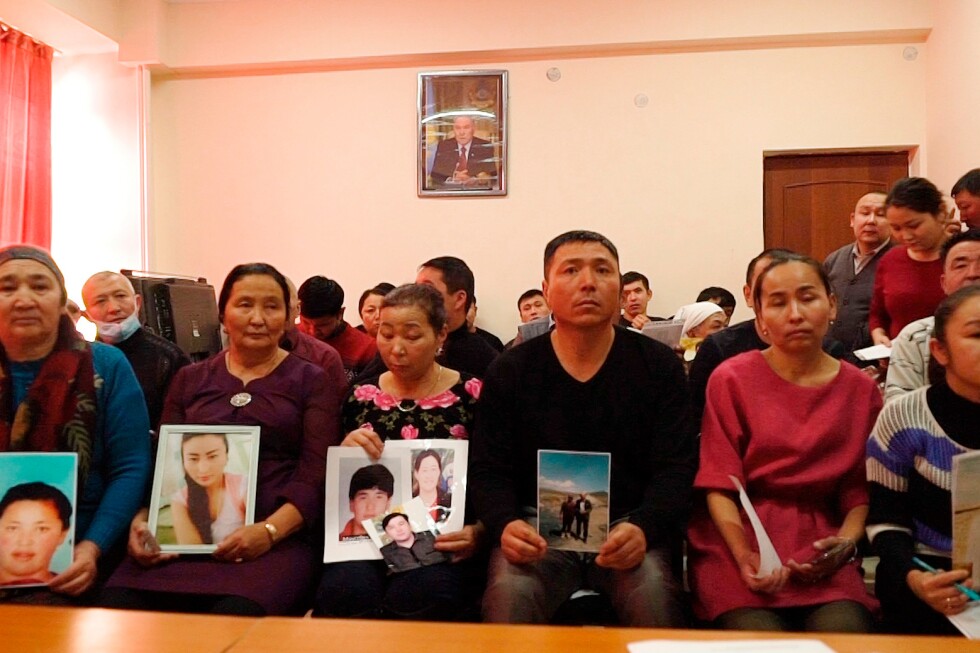
The activists belonged to Atajurt, an organization advocating for ethnic Kazakhs caught in China’s Xinjiang crackdown. Beginning in 2017, Chinese authorities detained an estimated one million or more Uyghurs, Kazakhs, and other predominantly Muslim minorities in what Beijing called “vocational training centers.” While many detainees have since been released, human rights groups report that Xinjiang remains under strict surveillance with severe restrictions on religious and cultural practices.
The Kazakh government’s decision to prosecute followed diplomatic pressure from China. Court documents reviewed by The Associated Press revealed that Chinese officials in Almaty sent a formal diplomatic note describing the protest as “an open provocation against the national dignity of the People’s Republic of China and an insult to the Chinese Communist Party and the Chinese people.”
When asked about the case, China’s Foreign Ministry called the sentencing an “internal affair” of Kazakhstan while praising the Central Asian nation as a “friendly neighbor” that “is familiar with China’s policies on governing Xinjiang.”
The Kazakh Ministry of Foreign Affairs did not respond to requests for comment.
For Kazakhstan, the situation presents a delicate balancing act. The country of 20 million shares a 1,100-mile border with China and relies heavily on Chinese investment and trade. Xinjiang itself is home to over one million ethnic Kazakhs, creating cultural and historical ties that complicate Kazakhstan’s relationship with China.
Atajurt has previously faced pressure from Kazakh authorities, who arrested its founder Serikzhan Bilash in 2019. He was later released into exile after promising to refrain from political activities. However, the organization had been allowed to continue much of its work documenting abuses and supporting families with relatives detained in Xinjiang.
“The Kazakh government previously tolerated Atajurt to some extent, understanding the widespread public sympathy toward ethnic Kazakhs in China,” explained Uluyol. “But that tolerance appears to be evaporating as Kazakhstan strengthens its economic ties with Beijing.”
The crackdown comes amid growing economic dependency on China. Kazakhstan has become a key participant in China’s Belt and Road Initiative, with billions invested in infrastructure projects across the country. Chinese companies have significantly expanded their presence in Kazakhstan’s energy sector, particularly in oil and uranium production.
Bilash, now living in the United States, warned that the convictions would have far-reaching consequences beyond the immediate human rights concerns. Under his leadership, Atajurt had documented hundreds of testimonies from people searching for missing relatives and provided financial support to families affected by the Xinjiang crackdown.
“The world will lose more than just a human rights organization,” Bilash said. “It will lose the biggest window into the humanitarian disaster in neighboring Xinjiang.”
The case illustrates the growing reach of China’s influence across Central Asia, where economic leverage increasingly translates into political compliance on sensitive issues like Xinjiang.
Fact Checker
Verify the accuracy of this article using The Disinformation Commission analysis and real-time sources.

20 Comments
The harsh sentences handed down to these Kazakh activists are deeply concerning. Imprisoning people for peacefully protesting human rights abuses in Xinjiang is a troubling infringement on civil liberties.
Kazakhstan appears to be compromising its democratic values in order to maintain good relations with China. This case sets a dangerous precedent and deserves close international scrutiny.
This case highlights the difficult position Kazakhstan finds itself in, caught between its desire to maintain good relations with China and its obligation to protect the human rights of its citizens. The large-scale imprisonment of protesters is troubling.
Kazakhstan should carefully weigh the costs of prioritizing its ties with China over the fundamental rights of its own people. Peaceful protest should be protected, not criminalized, even when it involves criticism of a powerful neighbor.
The harsh sentences imposed on these Kazakh activists are deeply concerning. Criminalizing peaceful protest against human rights abuses in Xinjiang is a worrying erosion of civil liberties in Kazakhstan.
This case highlights the difficult balancing act Kazakhstan faces in maintaining good relations with China while upholding the human rights of its own citizens. The country should prioritize protecting democratic freedoms over political expediency.
This case highlights the difficult position Kazakhstan finds itself in, caught between upholding human rights and maintaining good relations with its powerful neighbor China. The large-scale imprisonment of protesters is a troubling development.
Kazakhstan should reconsider these sentences and protect the right to peaceful protest, even when it involves criticism of China’s policies. Balancing geopolitics and human rights is a challenge, but one Kazakhstan must address.
The harsh sentences handed down to these Kazakh activists demonstrate the pressure Kazakhstan is under from China to suppress criticism of its policies in Xinjiang. This is a worrying erosion of civil liberties.
Kazakhstan appears to be prioritizing its economic and political ties with China over the human rights of its own citizens. This is a concerning trend that deserves close international scrutiny.
The harsh treatment of these Kazakh activists is a concerning signal about the state of civil liberties in the country. Imprisoning people for peacefully protesting human rights abuses in Xinjiang is a worrying step backwards.
Kazakhstan’s crackdown on this protest raises questions about its commitment to human rights and democratic freedoms. The country should reconsider these sentences and allow citizens to voice dissent without fear of reprisal.
This case demonstrates the difficult position Kazakhstan finds itself in, caught between its desire to maintain good relations with China and its obligations to protect the human rights of its own citizens. The harsh sentences are deeply concerning.
Kazakhstan’s crackdown on these activists who peacefully protested China’s policies in Xinjiang is a worrying step backwards for human rights and democratic freedoms in the region. The country should reconsider this approach.
This crackdown on Kazakh protesters who spoke out against China’s actions in Xinjiang is a troubling development. It raises questions about Kazakhstan’s commitment to human rights and the ability of its citizens to engage in peaceful dissent.
Kazakhstan’s decision to imprison these activists for criticizing China’s policies in Xinjiang is a concerning step backwards for human rights and democratic freedoms in the region. The country should reconsider these sentences.
This is a troubling development that raises concerns about Kazakhstan’s commitment to human rights and freedom of expression. Peaceful protest should not be criminalized, especially when it calls attention to serious human rights abuses.
Cracking down on activists who call out China’s repression in Xinjiang sets a dangerous precedent. Kazakhstan needs to uphold democratic values and ensure citizens can voice dissent without fear of imprisonment.
The large-scale imprisonment of these Kazakh protesters who spoke out against China’s actions in Xinjiang is a troubling development. It raises serious questions about Kazakhstan’s commitment to human rights and freedom of expression.
Kazakhstan’s decision to crack down on this protest is a concerning concession to China’s demands. The country should reconsider these sentences and reaffirm its support for the fundamental rights of its citizens.