


Listen to the article
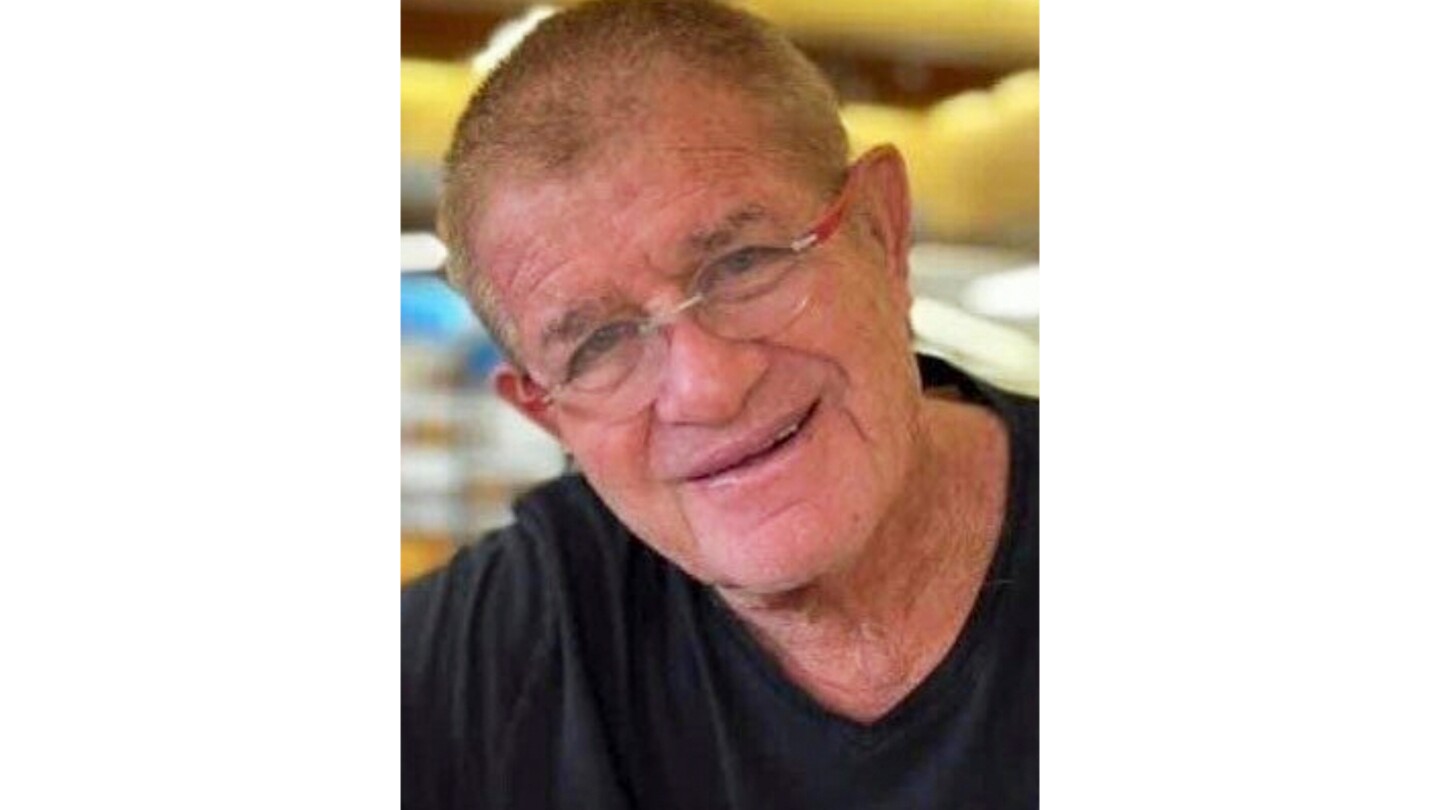
Israeli officials announced Thursday that the body of Meny Godard, one of the final four hostages taken during Hamas’s October 7 attack last year, has been returned to Israel. Godard, who was abducted from Kibbutz Be’eri in southern Israel, was a victim of the assault that triggered the ongoing Gaza conflict. His wife, Ayelet, was killed during the initial attack.
The armed wings of Hamas and Palestinian Islamic Jihad confirmed that Godard’s body was recovered in southern Gaza. According to the ceasefire agreement that took effect on October 10, militants have been returning the remains of hostages in exchange for Palestinian bodies held by Israel.
Since the truce began, the remains of 25 hostages have been returned to Israel, leaving just three more to be recovered from Gaza. For each hostage’s remains returned, Israel releases 15 Palestinian bodies. The Gaza Health Ministry reported receiving 315 Palestinian remains thus far as part of this exchange.
Godard had a notable background before his tragic death. Kibbutz Be’eri officials stated that he was a professional soccer player before joining the Israeli military and serving during the 1973 Mideast War. After his military service, he took on various positions within the kibbutz community, including working at its printing press.
The current ceasefire agreement, brokered by the United States, contains multiple phases. The initial phase, which is nearly complete, centers on the return of all hostage remains “as quickly as possible.” The exchanges have continued despite both sides accusing each other of violating other terms of the truce.
Israeli officials have raised concerns about the condition of some returned remains, claiming Hamas has handed over partial remains in certain cases and staged discoveries in others. Meanwhile, Hamas has accused Israel of opening fire on civilians and restricting humanitarian aid flowing into Gaza. Though casualties have decreased significantly since the ceasefire began, Gaza officials continue to report some deaths from strikes, while Israel has noted soldiers killed in militant attacks.
The Gaza Health Ministry has cited challenges in identifying Palestinian remains returned by Israel due to a lack of DNA testing equipment in the territory.
With just three hostage remains left to be returned, the parties are close to completing the first phase of the ceasefire plan. Subsequent phases call for establishing an international stabilization force in Gaza, forming a technocratic Palestinian government, and disarming Hamas – all significant challenges that will test the durability of the agreement.
The ceasefire aims to gradually end the devastating conflict that began with Hamas’s October 7 attack on southern Israel, which resulted in approximately 1,200 Israeli deaths and 251 people taken hostage. Israel’s military response has been overwhelming, with Gaza’s Health Ministry reporting more than 69,100 Palestinian casualties. The ministry, although part of the Hamas-run government, is staffed by medical professionals and maintains records that independent experts generally consider reliable.
On October 13, under the terms of the truce, Hamas returned 20 living hostages to Israel. This marked a significant moment in the conflict and provided some hope for further progress in the ceasefire implementation.
The current exchanges represent the most sustained period of reduced hostilities since the war began, though tensions remain high. International mediators, including the United States, continue working to ensure the agreement holds as both sides navigate the complex path toward a more comprehensive resolution to a conflict that has devastated the region and drawn worldwide attention for its humanitarian impact.
Fact Checker
Verify the accuracy of this article using The Disinformation Commission analysis and real-time sources.

12 Comments
The tragic loss of Meny Godard and the other hostages is a sobering reminder of the human cost of this conflict. I hope their families can find some measure of solace in the return of their remains.
The exchange of remains is a positive step, but it’s crucial that all parties involved remain committed to finding a lasting solution that addresses the root causes of the conflict.
The ceasefire agreement and exchange of remains is a positive development, but the broader conflict in Gaza remains a source of deep concern. I hope this can be a stepping stone towards a more lasting peace.
While the return of Meny Godard’s remains is a small victory, the work towards a comprehensive solution in Gaza is far from over. All sides must be willing to make difficult compromises.
While the return of Meny Godard’s remains is a small victory, the broader conflict in Gaza remains unresolved. I hope the ceasefire agreement can lead to further progress towards a lasting peace.
The exchange of remains is a gesture of goodwill, but much more needs to be done to address the underlying issues and find a sustainable solution.
This is a tragic situation. My heart goes out to Meny Godard’s family and loved ones. The return of his remains is a small step towards closure, but the ongoing conflict in Gaza remains deeply troubling.
I hope this exchange of remains can lead to further progress in the peace process and reduce tensions in the region.
The details of Meny Godard’s background as a professional soccer player and military veteran add a personal dimension to this story. It’s a sad reminder of the human toll of the conflict in Gaza.
Negotiating the return of hostages’ remains is a delicate process, but it’s important for providing closure to families on both sides.
It’s heartbreaking to read about the tragic fate of Meny Godard and the other hostages taken during the attack. My condolences go out to their families and loved ones.
The return of remains is an important step, but the ongoing conflict in Gaza is a complex and multifaceted issue that requires careful negotiation and compromise from all parties involved.