


Listen to the article
Sanctioned Iranian Oil Tankers Disguise as Iraqi Vessels to Evade U.S. Blockade
Sanctioned tankers disguised as Iraqi vessels are moving hundreds of millions of dollars in Iranian crude oil as President Donald Trump intensifies a port blockade aimed at squeezing Tehran’s oil exports, according to maritime intelligence reports.
Windward AI revealed Wednesday that a group of U.S.-sanctioned tankers are falsifying their location data to appear anchored off Iraq while secretly loading oil at Iranian ports, effectively creating digital alibis to bypass sanctions.
“Among the tankers spoofing their location in the area identified by Windward are four VLCCs: Alicia, RHN, Star Forest, and Aqua, using various flags, including fraudulent registries from Curacao and Malawi,” the intelligence firm told Fox News Digital.
The scale of this deception is substantial, with each Very Large Crude Carrier (VLCC) capable of holding approximately 2 million barrels of oil. The four identified vessels collectively transport around 8 million barrels, valued at roughly $800 million at current market prices of $100 per barrel.
This development coincides with Trump’s Wednesday announcement that the naval blockade of Iranian ports will continue until Tehran agrees to a deal addressing U.S. concerns about its nuclear program. The administration demands that Iran dismantle its uranium enrichment program, while Iranian officials maintain that enrichment is a sovereign right and non-negotiable, creating a significant diplomatic impasse.
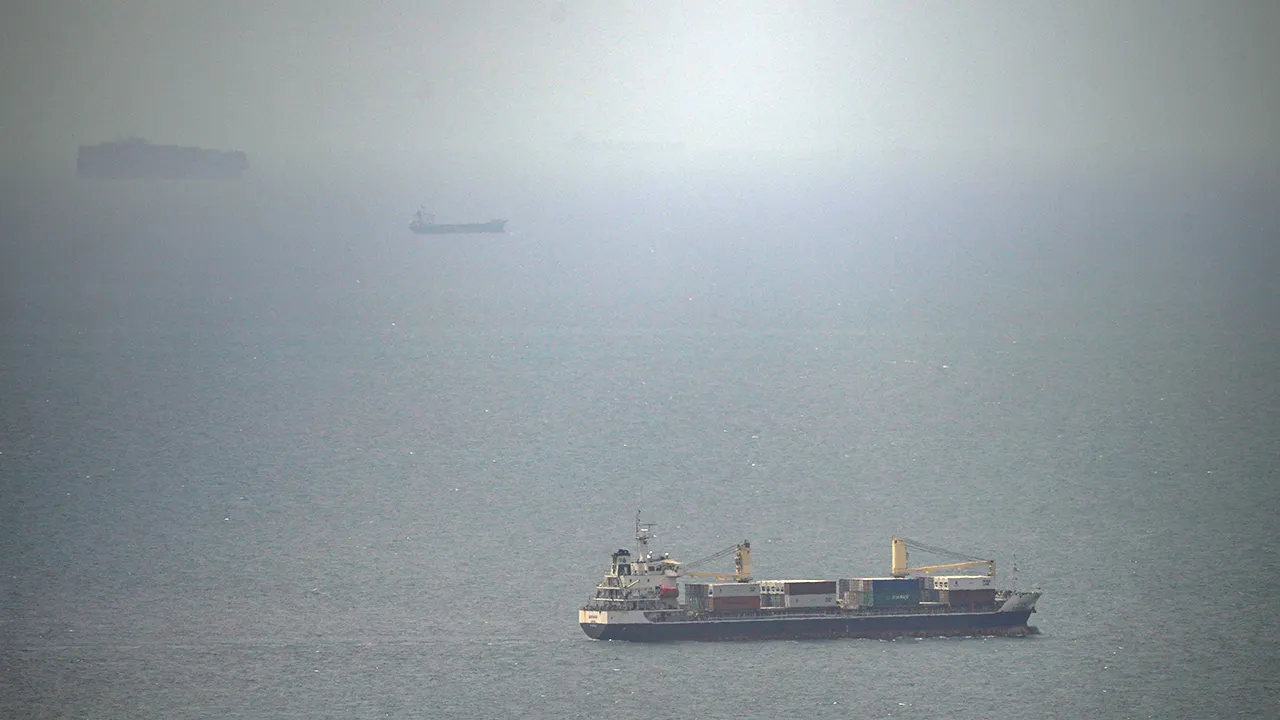
The U.S. blockade, which began on April 13, represents a strategic attempt to pressure Iran economically. According to Windward’s analysis, the operation has already cut Iranian oil loadings and exports by more than half, with over two dozen tankers currently confined west of the Strait of Hormuz.
“A cluster of 10 Iran-trading, U.S.-sanctioned tankers is now spoofing its AIS location to falsely appear at anchorages off Basrah, Iraq, as the blockade continues to constrict Iranian ports,” Windward explained. “By broadcasting fake destination messages to Iraqi ports, the tankers appear to be in Iraqi waters while covertly sailing to Iran to load sanctioned oil. Once loaded, the vessels re-emerge on AIS to suggest a legitimate Iraqi origin for the cargo.”
The maritime intelligence firm has also identified additional vessels employing similar tactics. Three medium-range tankers—Aqualis, Kush, and Charminar—along with the LPG carrier Royal H (which was newly sanctioned in February), display “erratic voyage trails” suggesting they loaded at the Iraqi port of Khor Al Zubair, when evidence indicates otherwise.
“The tell-tale spoofing signs, including erratic patterns and fake port signals, highlight the shifting tactics used by the dark fleet as the blockade more than halves Iranian oil loadings and exports,” the firm noted.
The blockade has significant implications for global oil markets. The restriction of Iranian exports, which previously found their way to markets despite earlier sanctions, could contribute to tighter global supply and potentially higher prices if sustained.
Iranian officials have responded defiantly to the blockade. Mohammad Ghalibaf, Iran’s parliamentary speaker, criticized U.S. policymakers Wednesday, including Treasury Secretary Scott Bessent, over the blockade’s impact. Ghalibaf pointed to what he called “junk advice” and blamed the U.S. Treasury for pushing up oil prices, defiantly noting that “three days in, no well exploded.”
The strategic waterway of the Strait of Hormuz, through which approximately 20% of global oil shipments pass, remains a focal point of tension. The U.S. Navy has increased its presence in the region to enforce the blockade, intercepting vessels suspected of carrying Iranian oil.
Industry analysts note that the emergence of sophisticated evasion techniques highlights the challenges in enforcing maritime sanctions. The “dark fleet”—vessels that operate outside international regulations—continues to adapt to enforcement efforts, developing increasingly sophisticated methods to obscure their activities and origins.
As the standoff continues, the effectiveness of the U.S. blockade strategy and Iran’s ability to circumvent it will likely have significant implications for both regional geopolitics and global energy markets in the coming months.
Fact Checker
Verify the accuracy of this article using The Disinformation Commission analysis and real-time sources.

10 Comments
It’s troubling to see Iran deploying such elaborate tactics to evade the oil sanctions. The use of spoofed location data and fraudulent vessel registrations shows the level of sophistication they’ve reached in their sanctions evasion efforts. Vigilant monitoring and disruption will be key.
Absolutely. The fact that Iran can move such a large volume of oil through this scheme is quite concerning. Maintaining the pressure of the sanctions requires constant adaptation and innovation to stay ahead of their evolving smuggling methods.
This is a concerning development and demonstrates the need for continued vigilance in enforcing the sanctions on Iran. Allowing this level of sanction evasion could undermine the broader diplomatic and economic pressure campaign against Iran’s nuclear program and regional activities.
The scale of this operation is quite remarkable – hundreds of millions of dollars’ worth of Iranian oil being smuggled out through this scheme. It shows the sophistication Iran is deploying to sustain its oil exports in the face of the sanctions.
Absolutely. Iran has clearly invested significant resources into developing these tactics to avoid detection. It will be an ongoing challenge for the U.S. and its allies to stay ahead of their evolving smuggling methods.
This is a stark reminder that Iran will go to great lengths to circumvent the sanctions pressure. The scale of this particular smuggling operation, valued at $800 million, is quite remarkable. Effective enforcement is clearly an ongoing challenge.
Interesting story on Iran’s oil smuggling tactics. It’s concerning to see sanctioned tankers trying to circumvent the blockade through deception. Effective sanctions are crucial, but finding ways around them can undermine the policy’s impact.
You’re right, this type of evasion is very troubling. It speaks to the lengths Iran will go to keep their oil exports flowing despite the sanctions pressure. Monitoring and disrupting these schemes is key to maintaining the effectiveness of the sanctions regime.
The use of falsified location data and fraudulent vessel registrations to disguise these Iranian tankers is quite clever, if troubling. It highlights the cat-and-mouse game between Iran and the U.S. over sanctions enforcement.
Agreed. Iran is clearly putting significant resources into developing more sophisticated smuggling techniques to keep its oil exports flowing. Staying on top of these evolving tactics will be crucial for maintaining the integrity of the sanctions regime.