


Listen to the article
Trump Claims Iranian Women Protesters Spared from Execution Following His Appeal
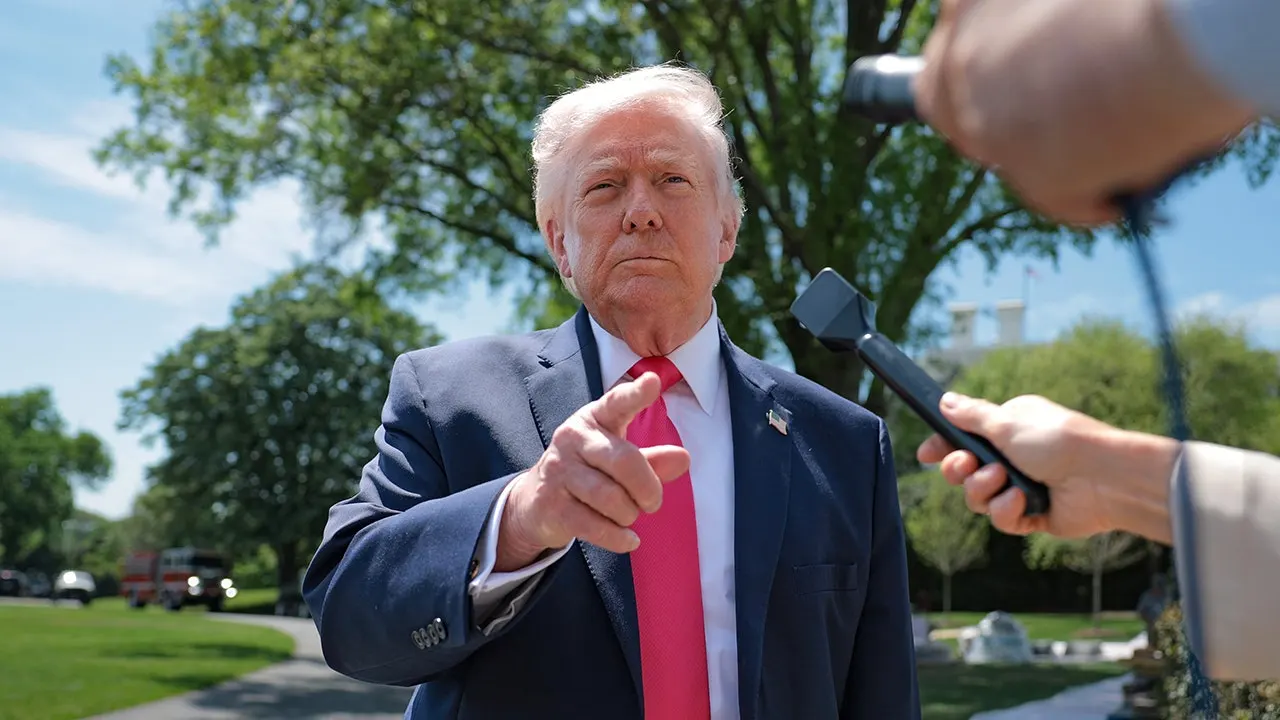
President Donald Trump announced Wednesday that eight Iranian women linked to anti-regime protests will no longer face execution after his public appeal for their release. The announcement marks a significant development in U.S.-Iran relations as tensions between the two nations continue to simmer.
“Very good news! I have just been informed that the eight women protestors who were going to be executed tonight in Iran will no longer be killed,” Trump stated on his Truth Social platform. According to the president, four of the women will reportedly be released immediately, while the remaining four will serve one-month prison sentences.
Trump expressed gratitude toward Iranian authorities, stating, “I very much appreciate that Iran, and its leaders, respected my request.” The announcement followed his Tuesday social media post urging Iranian leaders to release the women ahead of scheduled negotiations between American and Iranian representatives.
However, Iran’s judiciary quickly challenged Trump’s portrayal of events. Through its official Mizan Online website, Iranian authorities denied the women had ever faced execution, stating: “Trump was misled once again by fake news.” The judiciary clarified that some of the women had already been released, while others faced charges that would result in imprisonment rather than capital punishment if convictions were upheld.
This dispute highlights the complex information landscape surrounding Iran’s judicial system and human rights situation. According to international human rights groups, one of the women, identified as Bita Hemmati, had been scheduled for execution last week in what would have been the first publicly reported death penalty case involving a female protester linked to the January uprising.
Hemmati was reportedly sentenced alongside her husband and neighbors by the National Council of Resistance of Iran. The group allegedly participated in anti-regime activities on January 8 and 9, including throwing concrete blocks and incendiary materials from rooftops, injuring security forces, and engaging in what Iranian authorities termed anti-regime “propaganda” aimed at undermining security.
According to reports from activists, some of the women may be as young as 16 years old. One woman, identified as 33-year-old Mahboubeh Shabani, was reportedly charged with providing medical assistance to demonstrators injured during the January protests, according to the Norway-based Hengaw rights group.
The cases represent part of a broader government crackdown on dissent in Iran, where human rights organizations estimate thousands of protesters may have been killed since demonstrations intensified earlier this year. The protests represent one of the most significant challenges to the Islamic Republic’s authority since the revolution of 1979.
The development comes at a delicate time in U.S.-Iran relations. Trump announced an extension of a two-week ceasefire on Tuesday, suggesting that negotiations between the two nations are ongoing despite public tensions. His claim of influencing Iranian judicial decisions underscores his administration’s approach to diplomacy with Tehran, which has often mixed public pressure with private negotiations.
Human rights advocates have long criticized Iran’s use of capital punishment against political dissidents and protesters. The Islamic Republic has one of the highest execution rates in the world, according to international monitoring organizations, with numerous reports of forced confessions and limited due process rights for the accused.
While the immediate fate of the eight women appears to have been resolved according to Trump’s announcement, their cases highlight the ongoing struggle for human rights and political freedom within Iran, as well as the complex diplomatic dance between Washington and Tehran as both sides navigate their competing interests in the Middle East.
Fact Checker
Verify the accuracy of this article using The Disinformation Commission analysis and real-time sources.

8 Comments
The plight of these female protesters in Iran is deeply concerning. I’m glad that they were ultimately spared from execution, but the fact that it was even considered is extremely troubling. More needs to be done to protect human rights in Iran.
Absolutely, the Iranian government’s treatment of peaceful protesters, especially women, is appalling. This temporary reprieve is a small step, but much more is needed to ensure basic freedoms and civil liberties in the country.
As an investor in mining and energy stocks, I’m closely watching developments like this that could impact geopolitical risk and commodity markets. The Iran situation is so complex, but any signs of de-escalation would be welcome news for the sector.
Agreed, the Iran-US dynamic is crucial for commodity investors to monitor. Even small positive steps could help reduce uncertainty and volatility in the markets. Let’s hope this leads to more constructive dialogue between the two nations.
I have mixed feelings about this. On one hand, I’m relieved the executions were halted and lives were spared. On the other, the fact that the Iranian government was even considering executing these protesters in the first place is extremely disturbing. More needs to be done to hold them accountable for human rights abuses.
Interesting development in the ongoing tensions between the US and Iran. It’s good to see that diplomacy can sometimes prevail, even in these complex geopolitical situations. I hope this leads to further dialogue and de-escalation of tensions.
Agreed, any progress in this fraught relationship is welcome. Though the details still seem murky, it’s encouraging to see both sides making concessions for now.
While it’s positive that the executions were halted, I’m wary of giving too much credit to Trump’s intervention. The Iranian authorities seem to be disputing his account, and we’ve seen political posturing from both sides before. I hope this leads to meaningful progress, but remain skeptical.