


Listen to the article
Deadly Hantavirus Outbreak Claims Three Lives on Antarctic Cruise Ship
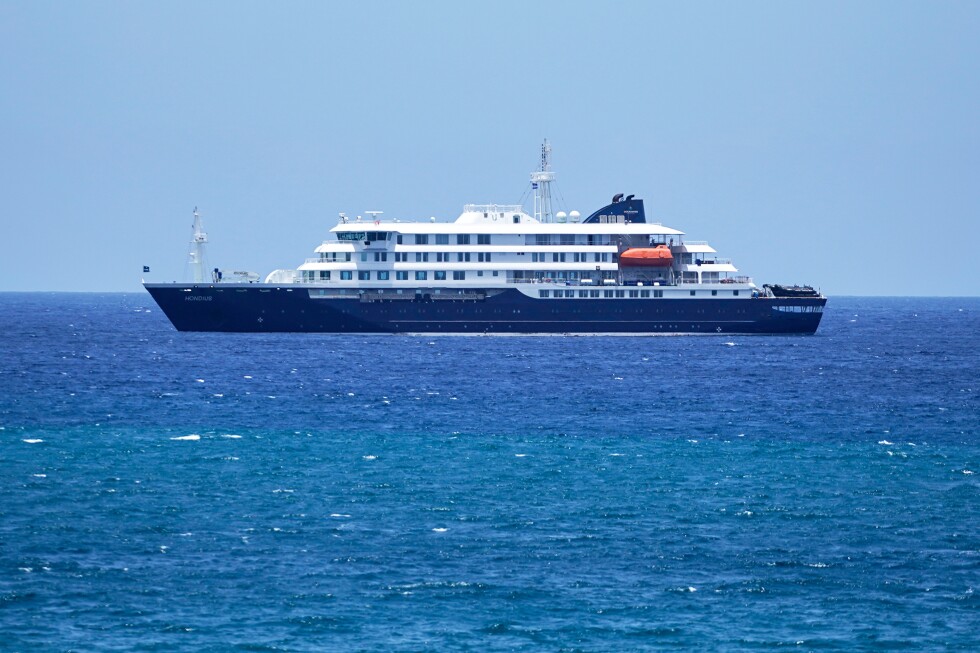
A rare hantavirus outbreak has killed three passengers aboard the MV Hondius, a cruise vessel that departed Argentina on April 1 for an expedition to Antarctica and across the Atlantic Ocean. The tragic sequence of events unfolded over nearly a month, with health officials only recently confirming the presence of the potentially deadly virus.
According to information from the World Health Organization (WHO) and ship operator Oceanwide Expeditions, a 70-year-old Dutch man first fell ill on April 6, experiencing fever, headache, and mild diarrhea. His condition deteriorated rapidly, and he died on April 11 while the vessel was navigating between South Georgia and St. Helena in the South Atlantic.
The ship continued its journey for nearly two weeks before reaching St. Helena, where the Dutch passenger’s body was disembarked on April 24. His 69-year-old wife, who accompanied her husband’s remains and had already developed symptoms herself, collapsed during a flight to South Africa on April 25 and died in hospital the following day.
A third casualty, a German woman passenger, died on the ship on Saturday after falling ill four days earlier. She also exhibited signs of pneumonia, which can be a complication of hantavirus infection. Her body remains aboard the vessel.
The outbreak’s extent became clear only after extensive testing in South Africa. A British passenger, who had been evacuated to a South African hospital on April 27 with high fever and respiratory symptoms, tested positive for hantavirus on Saturday—21 days after the first death occurred. South African health authorities subsequently confirmed the Dutch woman had also been infected with the virus through posthumous testing.
The MV Hondius, which offers “expedition cruises” costing between $6,000 and $25,000, now waits off the coast of Cape Verde with approximately 150 passengers and crew members from 23 countries. Three people still onboard have displayed symptoms consistent with hantavirus infection.
“Passengers and crew have been isolated in cabins with maximal physical distancing,” the WHO stated, implementing containment measures reminiscent of COVID-19 protocols.
Oceanwide Expeditions announced Tuesday that aircraft are being dispatched to evacuate two individuals requiring urgent medical attention, along with a passenger who had been traveling with the deceased German woman. These evacuees will be transported to the Netherlands. Following these evacuations, the ship plans to sail to Spain’s Canary Islands, a journey estimated to take three days.
Hantavirus, primarily spread by rodents through contact with their saliva, urine, or droppings, rarely transmits between humans, though some health authorities indicate person-to-person transmission might be possible in certain circumstances. The virus can cause severe respiratory distress and kidney failure in its most serious forms.
The WHO is still investigating how the virus found its way onto the ship. The organization noted that the first Dutch victim and his wife had traveled throughout Argentina and other parts of South America before boarding. Significantly, the Andes virus—a specific type of hantavirus—is endemic to South America, particularly Argentina and Chile.
Despite the concerning developments aboard the MV Hondius, the WHO has stated that the global risk remains low due to hantavirus’s limited human-to-human transmission potential. However, authorities are conducting contact tracing for passengers who shared the flight from St. Helena to Johannesburg with the infected Dutch woman.
The rare outbreak highlights the potential health risks associated with remote expedition travel and underscores the challenges of managing infectious disease emergencies in isolated maritime environments, far from sophisticated medical facilities.
Fact Checker
Verify the accuracy of this article using The Disinformation Commission analysis and real-time sources.

10 Comments
This is a tragic situation. Hantavirus outbreaks are extremely rare and can be deadly. I hope the cruise line and health authorities are thoroughly investigating the source and taking all necessary precautions to prevent further spread.
Yes, the loss of life here is heartbreaking. Proper protocols and transparency from the cruise operator will be crucial going forward.
Cruise ships can be challenging environments to contain the spread of infectious diseases. I wonder if there were any lapses in biosafety or medical protocols that may have contributed to the rapid transmission of the hantavirus on board.
That’s a good point. Proper ventilation, sanitization, and quarantine measures are essential on cruise ships to limit the spread of illnesses.
This is a tragic and concerning situation. Hantavirus is not something to be taken lightly. I hope the cruise line and health officials are working around the clock to determine the source and prevent further loss of life.
Absolutely. The priority now should be protecting the remaining passengers and crew, while also conducting a thorough investigation into how this outbreak started.
Hantavirus outbreaks on cruise ships are extremely rare. I’m curious to know if there were any unusual environmental factors or behaviors that may have contributed to the rapid spread of the virus in this case.
Yes, understanding the specific circumstances that led to this outbreak will be crucial to prevent similar incidents in the future.
Hantavirus is very rare, but can be deadly. I hope the cruise line and health authorities are closely monitoring all passengers and crew for any additional cases. Transparent communication will be key to maintaining public trust.
Agreed. Proactive testing, isolation, and reporting will be crucial to contain this outbreak and ensure the safety of all aboard the ship.