


Listen to the article
DOJ Intensifies Denaturalization Efforts Against Immigrants with Hidden Criminal Ties
The Department of Justice has significantly expanded its use of denaturalization, a rarely employed legal mechanism to revoke citizenship from naturalized Americans. On Friday, the DOJ targeted 12 individuals accused of concealing connections to terrorism, violent crimes, and other serious offenses during their naturalization process.
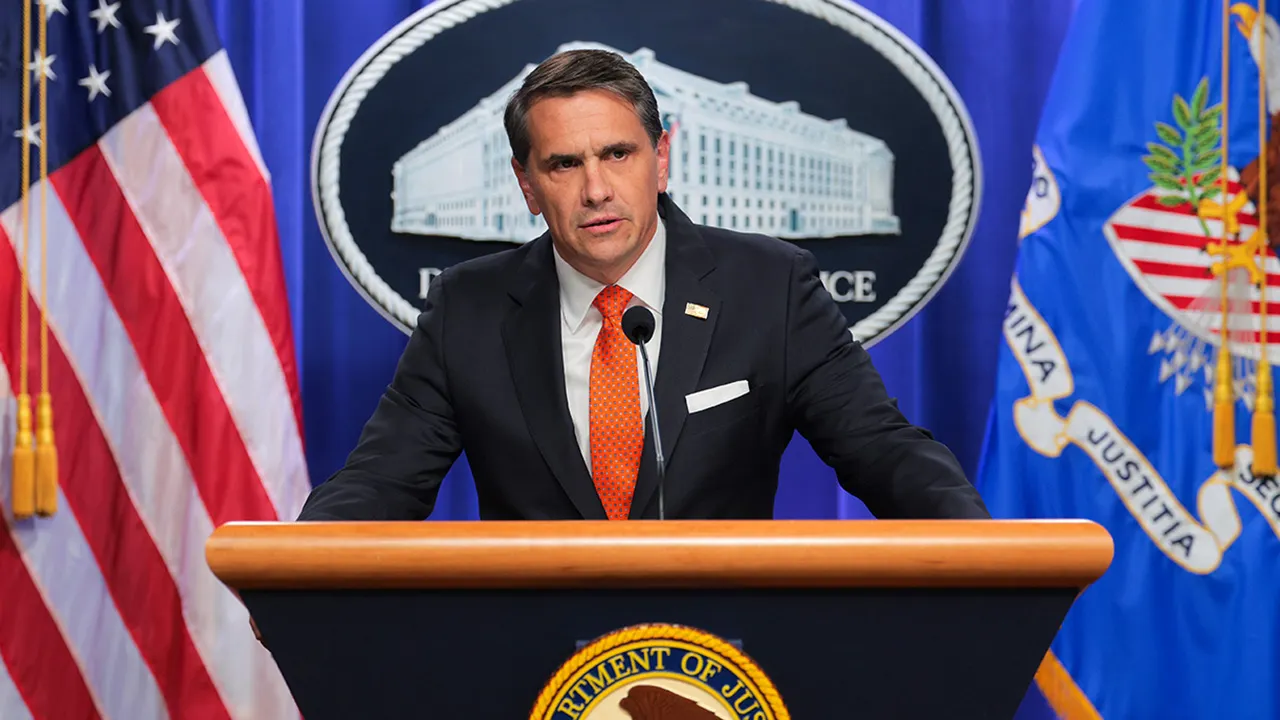
Acting Attorney General Todd Blanche made it clear that this enforcement action represents just the beginning of a broader initiative. “Anyone who intentionally concealed their criminal histories or misrepresented themselves during the naturalization process will face the fullest extent of the law,” Blanche stated to Fox News Digital.
The 12 cases involve immigrants from countries including Iraq, Somalia, China, and India. Among them is Ali Yousif Ahmed, who allegedly gained U.S. citizenship after claiming he fled Iraq in 2009 because of al-Qaeda persecution. However, authorities later discovered Iraq had sought Ahmed’s extradition in 2019 for allegedly murdering two Iraqi police officers while serving as an al-Qaeda leader—information he reportedly withheld during his citizenship application.
Another case involves Salah Osman Ahmed of Somalia, who became a naturalized citizen in 2007 but pleaded guilty in 2009 to providing material support to terrorists through involvement with al-Shabaab. The DOJ contends that joining a terrorist organization within five years of naturalization constitutes grounds for citizenship revocation.
Other cases highlight different forms of alleged fraud. Abduvosit Razikov of Uzbekistan reportedly entered into a sham marriage to obtain citizenship, while Oscar Alberto Pelaez, a priest from Colombia, was convicted on 13 counts of sexual abuse of a minor and allegedly concealed these crimes during his naturalization process.
Historically, denaturalization has been used sparingly in immigration enforcement. Over approximately three decades, the DOJ filed only about 305 such cases. When Trump first took office in 2017, this number jumped to 168 cases before declining significantly during the Biden administration. Now, with Trump back in the White House, the practice has returned as a priority enforcement tool.
The legal threshold for denaturalization is intentionally high. Prosecutors must prove with “clear and convincing” evidence that “material fraud” occurred during the naturalization process—meaning the citizenship would not have been granted had authorities known the truth.
“It has to be something material, and material means that the citizenship would not have been granted had DHS known,” explained Neama Rahmani, a former federal prosecutor. “That’s really the standard.”
In a recent CBS News interview, Blanche warned that individuals who obtained citizenship through fraudulent means “should be worried,” adding, “We are not limiting ourselves to anyone in particular except to say that unfortunately, and I think you’re going to hear more about this in the coming days and weeks, there are a lot of U.S. citizens who shouldn’t be.”
When questioned about denaturalization being a “very drastic penalty,” Blanche responded, “It’s a very drastic reward being naturalized, committing fraud.”
The intensified focus on denaturalization has raised concerns among immigrant rights organizations, which worry about potential impacts on the approximately 24 million naturalized citizens in the United States. Advocacy groups have expressed fear that even those who made minor or unintentional mistakes in their applications could face scrutiny.
Christian Penichet-Paul, a policy expert at immigration advocacy organization Forum, noted last summer that “there are concerns that the federal government’s denaturalization efforts could lead to the revocation of U.S. citizenship of many individuals who made minor or unintentional mistakes or omissions in their naturalization application.”
Legal experts emphasize that successful denaturalization requires proving that fraud was both significant and intentional—not merely trivial or negligent errors—though immigrant communities remain concerned about the broader implications of this enforcement strategy.
Fact Checker
Verify the accuracy of this article using The Disinformation Commission analysis and real-time sources.

10 Comments
Preventing terrorism is critical, but the process must also protect civil liberties. I hope this investigation is conducted transparently and with appropriate oversight.
Thoughtful point. Balancing national security and individual rights is an ongoing challenge.
This case highlights the complexities of immigration and citizenship policies. I hope the DOJ acts judiciously to protect the integrity of the naturalization process.
Agreed, a nuanced approach is needed to address security concerns while preserving core American values.
Concerning allegations, if true. However, I would reserve judgment until all facts are presented. Denaturalization should not be taken lightly.
Well said. The justice system must uphold due process, even in sensitive national security cases.
This investigation seems concerning, though concealing terrorism links is a serious offense. I’m curious to learn more about the evidence and due process involved to ensure justice is served fairly.
Agreed, the details will be important. Revoking citizenship is a significant step that requires thorough review.
Serious allegations, but the details will be crucial. I trust the justice system to investigate thoroughly and make fair determinations.
An important balance to strike. Protecting the country while upholding the rule of law.