


Listen to the article
Canadian Intelligence Warns of Alarming Rise in Youth Extremism
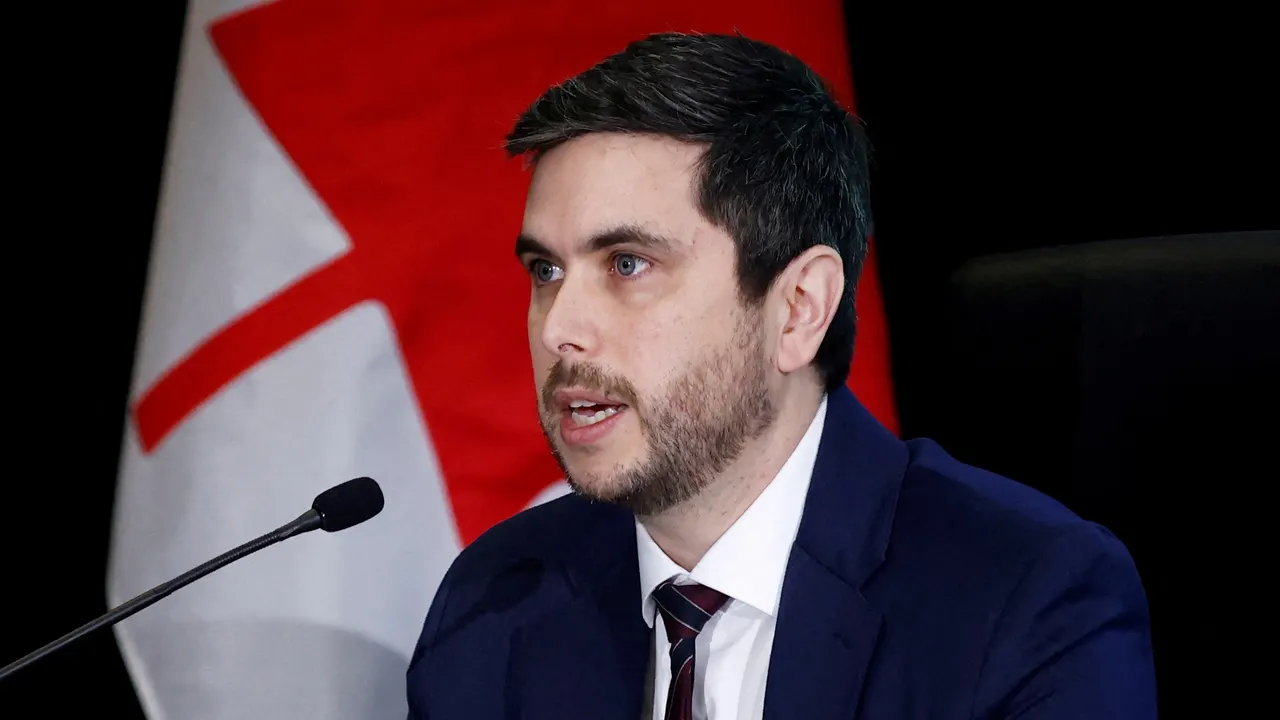
Nearly one in ten terrorism investigations in Canada now involve at least one suspect under the age of 18, according to a sobering report from Canadian Security Intelligence Service (CSIS) Director Daniel Rogers. In a rare public address Thursday, Rogers revealed this troubling trend is being driven by online radicalization.
Since 2014, Canada has experienced nearly two dozen violent extremist attacks resulting in 29 deaths and at least 60 injuries. The increasing involvement of minors in these threats has become a significant concern for the nation’s security apparatus.
“In August, a minor was arrested in Montreal for allegedly planning an attack on behalf of Daesh,” Rogers stated, referring to the Islamic State group by its Arabic acronym. This follows the charging of a 15-year-old in the Edmonton area with terrorism-related offenses earlier this year, after investigators feared the teen would commit serious violence connected to COM/764, a transnational online network that manipulates youth across widely accessible platforms.
Rogers also highlighted the arrest of two 15-year-olds in Ottawa between late 2023 and early 2024, who allegedly conspired to conduct a mass casualty attack targeting the Jewish community in Canada’s capital.
“Clearly, radicalized youth can cause the same harms as radicalized adults, but the societal supports for youth may help us catch radicalization early and prevent it,” Rogers explained. “These tragic numbers would have been higher if not for disruptive actions taken by CSIS and our law enforcement partners.”
The growing challenge of youth radicalization has prompted unprecedented collaboration between international security agencies. CSIS has joined forces with the Royal Canadian Mounted Police (RCMP) and intelligence partners from the United States, United Kingdom, Australia, and New Zealand. In December, these agencies released a joint report highlighting the evolving issue of youth extremism and providing guidance to parents and guardians on identifying early warning signs of radicalization.
Canadian security services have been particularly active in disrupting potential attacks. “Since 2022, CSIS has been involved in the disruption of no fewer than 24 violent extremist actions, each resulting in arrests or terrorism peace bond charges,” Rogers revealed. “In 2024, CSIS played an integral role in the disruption of two Daesh-inspired plots.”
In one case, a father and son were allegedly in advanced stages of planning an attack in the Toronto area. In another, an individual was arrested before allegedly attempting to illegally enter the United States to attack members of the Jewish community in New York.
Rogers attributed the increasing radicalization to several factors, including “eroding social cohesion, increasing polarization, and significant global events,” which he described as providing “fertile ground for radicalization.”
The CSIS director emphasized the technological challenges facing investigators. “Many who turn to violence radicalize exclusively online—often without direction from others,” he said. “They use technology to do so secretly and anonymously, seriously challenging the ability of our investigators to keep pace and to identify and prevent acts of violence.”
Beyond domestic terrorism, CSIS has also been working to counter transnational repression from foreign governments. While the agency has traditionally focused on activities by China and India, Rogers noted a recent shift in priorities.
“In particularly alarming cases over the last year, we’ve had to reprioritize our operations to counter the actions of Iranian intelligence services and their proxies who have targeted individuals they perceive as threats to their regime,” Rogers said. “In more than one case, this involved detecting, investigating, and disrupting potentially lethal threats against individuals in Canada.”
The revelations come at a time when Canada, like many Western nations, is grappling with increasing security threats from both domestic and international sources, with online radicalization accelerating the process by which vulnerable individuals, especially youth, can be drawn toward extremist ideologies.
Fact Checker
Verify the accuracy of this article using The Disinformation Commission analysis and real-time sources.

15 Comments
The involvement of minors in terrorist activities is incredibly disturbing. This underscores the urgent need for comprehensive strategies to protect vulnerable youth from online extremist influences.
Absolutely. Multifaceted approaches involving law enforcement, educators, mental health professionals, and community leaders will be crucial to tackling this complex challenge.
The Iranian threat highlighted in this report is also very concerning. We must remain vigilant and prepared to address the potential for lethal actions by state-sponsored actors.
The rise of teen terror suspects is deeply worrying. We must redouble efforts to counter online radicalization and provide vulnerable youth with positive alternatives and support systems.
While the statistics on youth involvement in terrorism are alarming, I’m encouraged to see Canadian authorities taking this threat seriously and working to develop effective interventions.
Agreed. Addressing the root causes of radicalization through evidence-based programs could go a long way in stemming the tide of youth extremism.
Kudos to the Canadian intelligence chief for shedding light on this worrying trend. Addressing the rise of teen terror suspects will require a sustained, whole-of-society effort.
The involvement of minors in terrorist activities is incredibly alarming. Clearly, more needs to be done to protect vulnerable youth from online extremist influences and intervene before they turn to violence.
Agreed. Early intervention and community-based support programs could be key to addressing this issue before it escalates further.
Kudos to the Canadian intelligence agency for shedding light on this critical security threat. Proactive monitoring and disruption of online radicalization networks are essential to safeguarding our youth and communities.
Absolutely. This underscores the need for robust digital literacy education and parental/community engagement to build resilience against extremist recruitment.
This is a sobering reminder of the complex security challenges facing modern societies. Balancing civil liberties with effective counterterrorism measures will require nuanced, evidence-based policymaking.
While the statistics on youth involvement in terrorism are disturbing, I appreciate the transparency from Canadian intelligence in shedding light on this growing problem. Addressing the root causes is crucial.
Kudos to the Canadian intelligence chief for sounding the alarm on these threats. Proactive, collaborative approaches across government, tech, and communities will be essential to address this issue.
This is deeply concerning. The rise of youth radicalization online is a troubling trend that demands immediate attention. It’s critical we understand the drivers behind this phenomenon and develop effective prevention strategies.