


Listen to the article
Argentine authorities are investigating whether a Dutch couple contracted hantavirus during a bird-watching tour at a landfill in Ushuaia, potentially triggering a deadly outbreak aboard a cruise ship that has claimed three lives so far.
Officials believe the couple may have been exposed to rodents during their visit to the landfill before boarding the Dutch-flagged MV Hondius, two Argentine investigators told The Associated Press on Wednesday. The investigation is significant because Ushuaia and the surrounding Tierra del Fuego province have never previously recorded a case of hantavirus.
Hantavirus typically spreads when humans inhale air contaminated with rodent droppings. While the World Health Organization (WHO) states that human-to-human transmission is uncommon, it is possible with certain strains of the virus.
Testing conducted in Switzerland, South Africa, and Senegal has confirmed the presence of the Andes strain in the current outbreak. This particular variant is primarily found in Argentina and Chile and is known to be one of the few hantavirus strains capable of spreading through person-to-person contact, though such transmission remains rare.
The outbreak has prompted an international health response, with contact tracing efforts underway across Europe and Africa. Public health officials are working to identify and monitor passengers who disembarked from the cruise ship before the outbreak was detected, potentially carrying the virus to their home countries.
In Switzerland, officials have already confirmed that a male passenger who returned from the cruise sought medical attention after developing symptoms. He tested positive for the Andes strain and was immediately placed in isolation to prevent further spread.
WHO Director-General Tedros Adhanom Ghebreyesus announced Wednesday that three suspected cases have been evacuated from the vessel and are being transported to the Netherlands for specialized treatment. Despite the concerning developments, he emphasized that “at this stage, the overall public health risk remains low.”
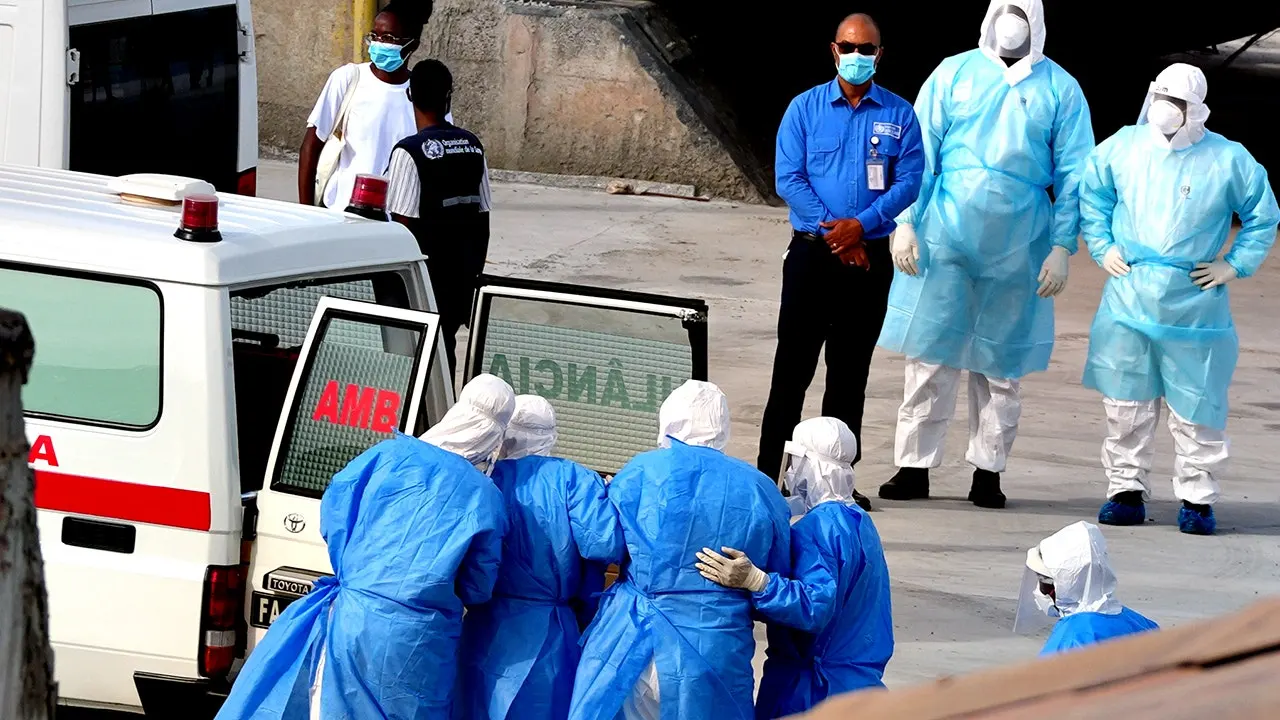
The MV Hondius remains anchored at a port in Praia, Cape Verde, as health officials continue to manage the situation. Health workers in protective gear have been seen evacuating patients from the ship into waiting ambulances, highlighting the seriousness of the response.
This outbreak underscores the potential dangers of zoonotic diseases—those that can jump from animals to humans—particularly in tourism settings where travelers may encounter wildlife or their habitats. Rodent-borne illnesses like hantavirus present particular challenges as rodents are present in virtually all human-inhabited regions worldwide.
The investigation into the landfill visit represents a critical element in understanding how the virus initially entered the cruise ship environment. If confirmed, it would provide valuable information for preventing similar outbreaks in the future and potentially lead to new safety protocols for tourist excursions in affected regions.
For the cruise industry, which has worked to rebuild passenger confidence following the COVID-19 pandemic, this incident presents fresh challenges regarding health screening procedures and outbreak response protocols.
Hantavirus infections can lead to Hantavirus Pulmonary Syndrome (HPS), a severe respiratory disease with a mortality rate of approximately 38 percent. Symptoms typically appear 1-8 weeks after exposure and include fatigue, fever, muscle aches, headaches, dizziness, and gastrointestinal problems, before progressing to respiratory difficulties.
While the WHO continues to monitor the situation closely, the organization’s assessment that public risk remains low suggests containment measures are proving effective thus far. However, the investigation continues as health authorities work to ensure the outbreak doesn’t spread further among former passengers or their contacts.
Fact Checker
Verify the accuracy of this article using The Disinformation Commission analysis and real-time sources.

16 Comments
Fascinating story about the potential source of this deadly hantavirus outbreak. Investigating the landfill and bird-watching tour connection seems like a prudent move to get to the bottom of this. I’m curious to see what else investigators may uncover as they dig deeper.
Yes, understanding the origins and transmission path of this particular Andes strain will be crucial. Glad they’re taking it seriously and conducting tests in multiple countries to confirm the details.
This is a sobering reminder of the potential dangers lurking in unexpected places. A simple bird-watching tour at a landfill leading to a deadly cruise ship outbreak – it just goes to show how vigilant we need to be when it comes to emerging infectious diseases.
This is a concerning development, but it’s good to see the authorities taking it seriously and conducting thorough investigations. Hantavirus is no joke, so I’m glad they’re being proactive about identifying the source and transmission routes.
The potential for person-to-person transmission with this Andes strain is particularly worrying. I’m glad the authorities are working closely with international partners to get a handle on the situation and prevent any further loss of life.
Yes, the human-to-human transmission risk adds an extra layer of complexity that requires a robust and coordinated response. Kudos to the investigators for their diligence in this challenging case.
The cruise ship connection is particularly worrying. Outbreaks on confined vessels can spread rapidly. I hope the investigators are able to determine exactly how the Dutch couple was exposed at the landfill, so they can prevent any further transmission on the ship or beyond.
Yes, the cruise ship environment poses added risks, so containing this as quickly as possible is critical. Kudos to the authorities for their diligence in tracing the likely origin at the Ushuaia landfill.
This is a disturbing development, but I’m encouraged to see the authorities taking such a proactive and thorough approach to the investigation. Uncovering the source and transmission routes will be crucial for containing the outbreak and protecting public health.
I’m glad the authorities are being so diligent in their investigation. Tracing the origins of outbreaks like this is critical, both for containing the immediate threat and for improving our broader understanding of these viruses and how to prevent future incidents.
Absolutely. The more we can learn about the transmission dynamics and risk factors, the better equipped we’ll be to respond effectively to hantavirus and other zoonotic diseases down the line.
This is a concerning situation. Hantavirus can be quite dangerous, so I’m glad the authorities are moving quickly to identify the source and contain the outbreak. It’s good that human-to-human transmission appears to be uncommon, but they’ll need to monitor that closely.
Agreed. Even with the rare human-to-human transmission, proactive steps to track down the initial source and exposure vectors are the right call here. Safety of the public has to be the top priority.
The fact that this is the first recorded case of hantavirus in Ushuaia and the surrounding region makes the investigation all the more important. Understanding how this particular strain was introduced to the area could yield valuable insights for public health efforts.
Absolutely. Identifying the origin and spread of this outbreak is crucial, especially since it involves a strain not typically found in that part of Argentina. Rigorous testing and tracing will be essential.
This is a complex and concerning situation. I hope the investigators are able to quickly pinpoint the source and stop any further spread of the virus, both on the cruise ship and in the broader population. Public health and safety has to be the top priority.