


Listen to the article
Spain to Implement Social Media Ban for Children Under 16
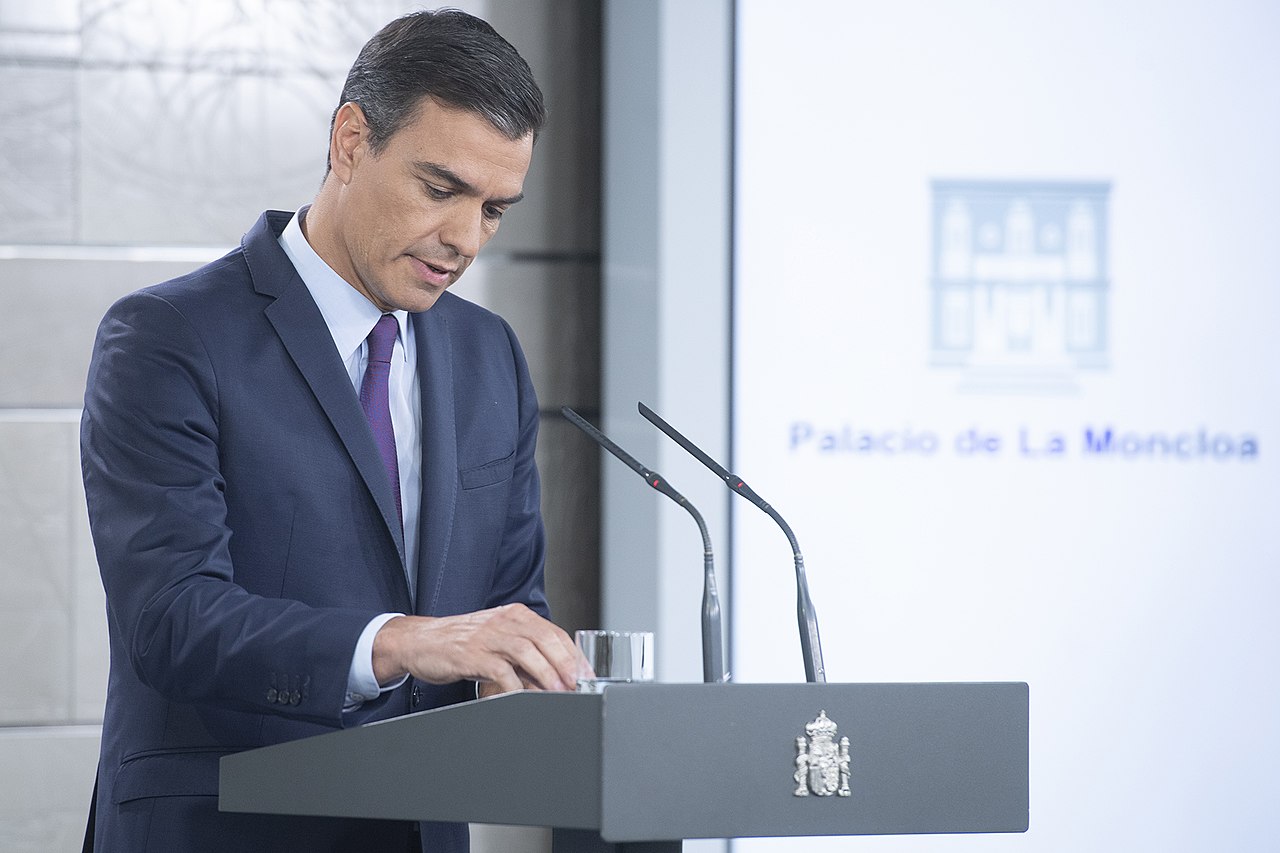
Spain will prohibit children under the age of 16 from accessing social media platforms and require companies to implement robust age verification systems, Prime Minister Pedro Sánchez announced on Tuesday at the World Government Summit in Dubai.
During his address, Sánchez emphasized the need to protect young people from harmful online environments. “Our children are exposed to a space they were never meant to navigate alone… We will no longer accept that,” the Spanish leader declared, while urging other European countries to adopt similar protective measures.
The announcement comes amid growing concern from Sánchez’s left-wing coalition government about the proliferation of hate speech, pornographic content, and misinformation on social media platforms, which officials believe negatively impact youth development and mental health.
Spain’s initiative follows Australia, which in December became the first country to implement a nationwide ban on social media for users under 16. Australia’s pioneering legislation has sparked a wave of similar considerations across Europe, with Belgium, France, Greece, and Poland all exploring comparable age-based restrictions.
The Spanish government’s approach extends beyond access restrictions. Sánchez revealed plans to introduce legislation next week that would hold social media executives personally accountable for illegal content and hate speech appearing on their platforms. The proposed bill would also criminalize algorithmic manipulation and the amplification of illegal content, targeting the technological mechanisms that can spread harmful material.
This two-pronged approach—restricting youth access while increasing platform accountability—represents one of Europe’s most comprehensive attempts to regulate social media usage among minors.
The move comes amid a growing body of research highlighting potential negative effects of social media on adolescent development. Studies have linked excessive platform use to increased rates of anxiety, depression, sleep disturbance, and body image issues among teenagers. Child safety advocates have long pushed for stronger protections, arguing that current age verification measures are easily circumvented.
Implementation challenges remain significant, however. Effective age verification systems that balance privacy concerns with accuracy have proven difficult to develop. Critics also question whether blanket bans might prevent teenagers from accessing beneficial aspects of social media, including educational content and community-building opportunities.
The tech industry has responded cautiously to similar regulations elsewhere, with companies like Meta (parent company of Instagram and Facebook) and TikTok implementing various safety features while generally opposing outright access restrictions.
Spain’s action reflects a broader European trend toward digital regulation. The European Union has already implemented the Digital Services Act, which places additional responsibilities on tech platforms regarding content moderation and user safety, though it stops short of age-specific bans.
The economic implications for social media companies could be substantial if similar restrictions spread across Europe. Platforms derive significant revenue from teenage users, both through direct advertising and data collection that informs broader marketing strategies.
As Spain moves forward with implementation, other nations will likely be watching closely to evaluate both the effectiveness of enforcement mechanisms and the social impact of such restrictions.
The Spanish government has not yet detailed precisely how platforms will be required to verify users’ ages or what penalties might apply for non-compliance, though these specifics are expected to emerge when the full legislation is presented next week.
Fact Checker
Verify the accuracy of this article using The Disinformation Commission analysis and real-time sources.

7 Comments
While I understand the motivation behind this ban, I worry it may do more harm than good. Cutting off access to social media could isolate young people and deprive them of important social connections. A more nuanced approach balancing protection and digital literacy seems prudent.
This is a bold move by Spain, but I’m curious to see how it plays out. Social media is deeply ingrained in young people’s lives, so a blanket ban could face significant pushback. I hope they develop a comprehensive strategy to address the root issues, not just the symptoms.
As a parent, I’m glad to see Spain taking steps to protect children online. Social media’s impact on mental health and well-being is concerning. However, a ban may be overly restrictive. I’d prefer to see a multi-faceted approach focusing on education, content moderation, and parental controls.
While I understand the intent behind this ban, I’m not sure it’s the best solution. Outright prohibiting access to social media may backfire and make it more appealing to teens. Perhaps a more nuanced approach focused on education, content moderation, and parental controls would be more effective.
That’s a fair point. A total ban could be counterproductive and may be difficult to enforce. A more collaborative approach with tech companies and parents to promote digital literacy and responsibility could be more constructive.
This is an interesting and important move by Spain to protect children from the harmful effects of social media. Platforms can have a negative impact on mental health and development, so age restrictions seem reasonable. I wonder how the enforcement and implementation will work in practice though.
Agreed, the details around enforcement and verification will be crucial. Social media companies will likely resist stringent age checks, so Spain will need to strike the right balance between protection and practicality.