


Listen to the article
Social Media Creating “Information Fog” That Undermines Professional Journalism
Social media platforms are increasingly undermining the authority of professional journalism while creating what experts describe as an “information fog,” where citizens face a daily barrage of uncontrolled content, including deliberate disinformation that intensifies during election periods.
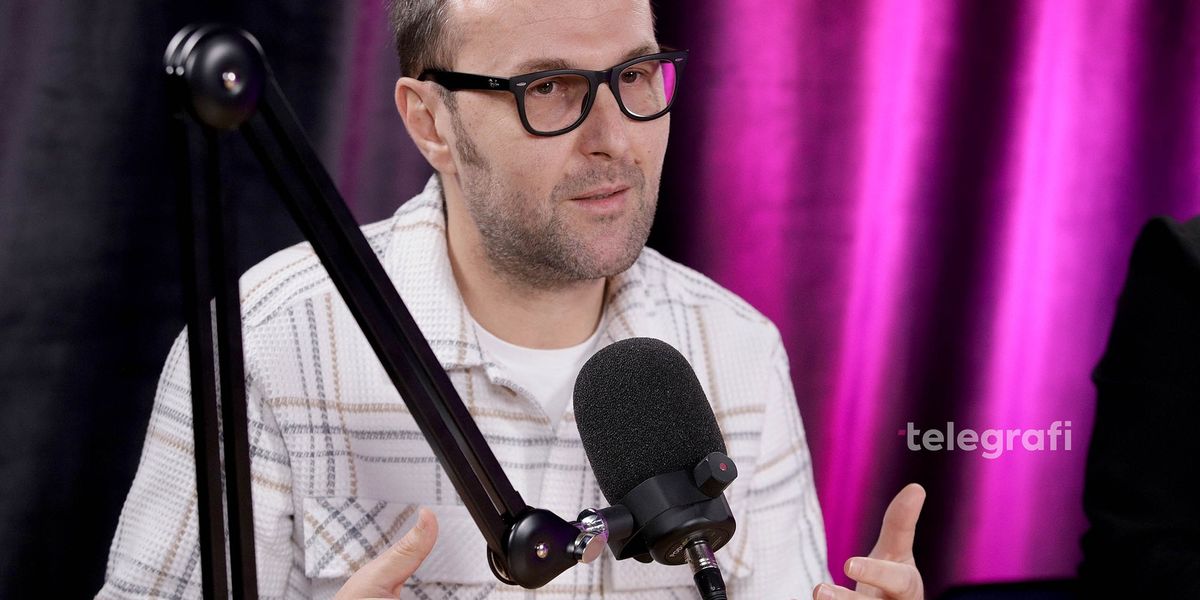
This concerning trend was highlighted by Festim Rizanaj, a researcher at the HIBRID.info platform, during the fifth episode of “Përballje Podcast,” where he discussed findings from monitoring disinformation campaigns during electoral cycles.
“With the emergence of social media, virtually anyone can create pages or accounts and distribute information,” Rizanaj explained. “Many of these sources are deceptively labeled with suffixes like ‘info’ or ‘newspaper,’ creating a false impression of legitimacy that mimics traditional media outlets.”
This democratization of information sharing, while beneficial in some ways, has significantly eroded public trust in established media institutions. The result is a chaotic information environment where verified facts compete with unsubstantiated claims, conspiracy theories, and outright falsehoods.
“This development has stripped credible media and professional journalism of their traditional authority,” Rizanaj noted. “What we’re left with is an information fog permeating social networks.”
The researcher emphasized that most citizens now primarily obtain news through social media platforms, where algorithms often prioritize engagement over accuracy. This shift in information consumption habits has dramatically increased the importance of fact-checking organizations and credible journalistic institutions.
During election campaigns, the problem becomes particularly acute. Rizanaj described how hundreds of new digital channels suddenly emerge, flooding the information ecosystem with manipulative content designed to influence voters.
“The tactics range from republishing old statements out of context to distributing edited images and selectively cut videos,” he explained. “More recently, we’ve identified sophisticated content generated with artificial intelligence.”
Of particular concern is the emergence of AI-generated videos that impersonate legitimate Kosovar media interviews to lend credibility to false content. These sophisticated forgeries represent a significant escalation in disinformation tactics and pose new challenges for voters attempting to make informed decisions.
The researcher also highlighted findings from HIBRID.info’s latest report, which documented how Russian state media outlets, including Russia Today and Sputnik, have established operations throughout the Western Balkans, primarily broadcasting in Serbian to maximize their audience reach.
“These Russian media narratives are amplified by tabloids and government-aligned outlets in Serbia before reaching the Serbian community in Kosovo,” Rizanaj explained. “The Serbian community in Kosovo remains particularly vulnerable as they continue to rely heavily on these tabloid sources due to a lack of reliable alternatives.”
The research indicates that these narratives are continuously recycled and distributed as credible information, despite carrying clear political agendas. Without media literacy education and access to diverse, trustworthy news sources, many communities remain susceptible to manipulation.
Media experts warn that addressing this challenge requires a multi-faceted approach, including stronger media literacy programs, transparent fact-checking initiatives, and regulatory frameworks that encourage accountability without restricting free speech. Additionally, supporting independent local journalism remains crucial for providing communities with reliable alternatives to disinformation.
As election seasons approach across various regions, the battle against disinformation will likely intensify, requiring vigilance from both institutions and individual citizens seeking accurate information on which to base their democratic choices.
Fact Checker
Verify the accuracy of this article using The Disinformation Commission analysis and real-time sources.

16 Comments
This is concerning – the rise of misinformation and disinformation on social media is a real threat to informed public discourse. Robust journalism is essential for a healthy democracy. I hope media outlets and platforms can find ways to combat these challenges.
You raise a good point. Verification and fact-checking will be critical to restoring trust in media. Policymakers also need to address the structural issues that enable the spread of false narratives online.
While the democratization of information sharing on social media has benefits, the downsides in terms of misinformation and erosion of trust in traditional media are deeply concerning. Finding the right balance will be critical going forward.
Agreed. Platforms, policymakers, and the public all have a role to play in addressing these challenges. Constructive dialogue and collaborative approaches will be essential.
This is an important issue that extends beyond just the mining and energy sectors. The erosion of public trust in media and the spread of disinformation pose broader risks to democracy and civil society. Rigorous journalism and media literacy initiatives will be key to the solution.
This article highlights the complex dynamics at play between social media, traditional media, and the spread of disinformation. It’s a nuanced issue that requires multifaceted solutions involving tech companies, policymakers, and media professionals.
It’s alarming to see how Russian narratives are being amplified through Serbian media. Countering foreign disinformation campaigns should be a priority for policymakers and media organizations. Transparency and accountability will be key.
Absolutely. Cross-border coordination and information-sharing between countries and media outlets will be essential to combat these transnational disinformation networks.
The ‘information fog’ created by social media is a major challenge for maintaining a healthy, informed public discourse. I’m curious to learn more about the specific tactics and narratives being used by Russian actors to gain traction in Serbian media.
That’s a good question. Understanding the precise mechanisms of how foreign disinformation campaigns are seeding and amplifying their narratives will be crucial for developing effective countermeasures.
The ‘information fog’ created by social media is a real concern, especially when it comes to the spread of disinformation that can undermine public discourse and decision-making. I hope to see more research and dialogue around effective ways to combat these challenges.
The ‘information fog’ described here is a major issue, especially during elections when the stakes are high. We need to find ways to elevate authoritative, fact-based reporting and limit the reach of disinformation campaigns, whether domestic or foreign-backed.
Agreed. Improving media literacy and digital citizenship skills in the public will also be crucial to navigating this challenging information landscape.
This is a complex and multi-faceted issue that goes beyond just the mining and energy sectors. The erosion of trust in media and the spread of disinformation are challenges that affect the entire information ecosystem. Finding solutions will require a concerted, cross-sectoral effort.
Absolutely. Policymakers, tech companies, media organizations, and the public all have a role to play in addressing these issues. Collaborative approaches and a commitment to transparency will be key.
The article raises important points about the need to combat foreign disinformation campaigns and restore public trust in professional journalism. As someone interested in the mining and commodities sector, I’m curious to learn more about how these dynamics may be playing out in that space.