


Listen to the article
India in Talks with Social Media Firms on Age-Based Restrictions, Pushes for AI Investment
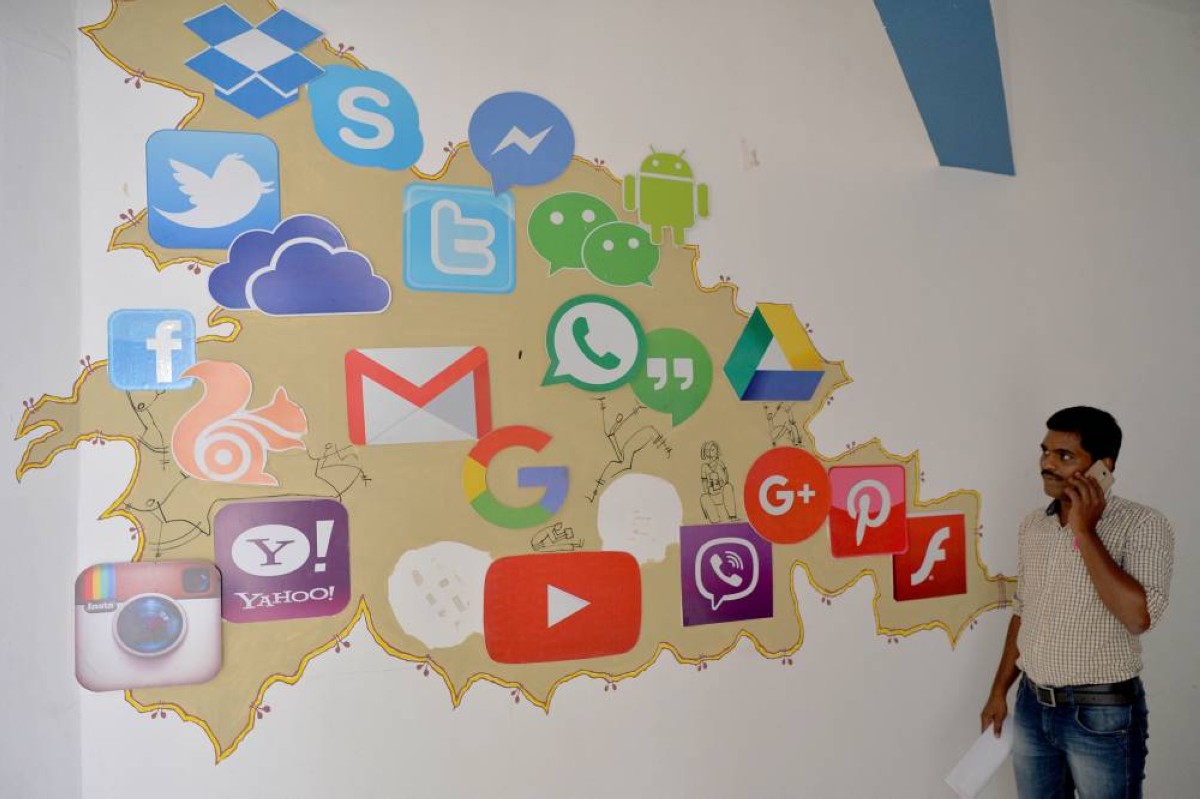
India is engaged in discussions with social media companies regarding potential age-based restrictions, IT Minister Ashwini Vaishnaw revealed on Tuesday. The initiative follows similar regulatory moves in countries like Australia, which has already implemented bans on platform access for users under 16 years old.
Speaking at the Global AI Impact Summit in New Delhi, Vaishnaw emphasized that age-based regulation has gained international acceptance. “This is something which has now been accepted by many countries that age-based regulation has to be there,” he told reporters at the conference.
“Right now we are in a conversation regarding deepfakes, regarding age-based restrictions with the various social media platforms and… what is the right way to go about this,” the minister explained.
The announcement marks India’s first indication of potential nationwide action on social media age restrictions in the world’s most populous country. Previously, a state minister in Andhra Pradesh had suggested preparing for a ban on children using social media, but Vaishnaw’s statement signals a broader federal approach.
The regulatory discussions come amid growing international concern about social media’s impact on young users. Australia implemented its restrictions in December, targeting platforms including TikTok, YouTube, and Snapchat. France has also moved forward with legislation that would ban social media for users under 15, with the bill currently awaiting a Senate vote.
India recently tightened regulations on artificial intelligence technology, requiring social media platforms to clearly label AI-generated content and comply with government takedown requests within three hours. Vaishnaw stressed the need for stronger regulations on deepfakes specifically, describing it as “a problem which is growing day by day” with implications for protecting children and society.
The five-day AI Impact Summit, which began Monday, represents the first major international AI conference hosted by a developing nation. The event has attracted nearly 20 world leaders and dozens of ministerial delegations discussing critical issues ranging from job disruption to environmental impacts of AI technology.
During the summit, Vaishnaw highlighted India’s ambitious AI investment outlook, projecting more than $200 billion in investments over the next two years, including approximately $90 billion already committed. Supporting this vision, the Adani Group announced plans to invest $100 billion by 2035 to develop “hyperscale AI-ready data centers,” a significant boost to New Delhi’s aspirations to become a global AI hub.
The Adani investment is expected to catalyze an additional $150 billion in spending across related industries, including server manufacturing, advanced electrical infrastructure, and sovereign cloud platforms.
India has made notable progress in the AI space, jumping to third place in Stanford University’s annual global ranking of AI competitiveness last year, surpassing South Korea and Japan. However, experts suggest the country still faces a considerable journey before it can rival the United States and China as AI superpowers.
As part of efforts to expand computing capacity, Vaishnaw announced that the government has already deployed 13,000 graphics processing units (GPUs) under its common compute program and will place orders for another 20,000 GPUs within a week. These additional units are expected to be installed within six months.
The minister described this expansion as part of a “constant endeavor to provide high-quality resources to our startups, researchers and students,” underscoring India’s commitment to building AI infrastructure.
The summit has attracted major technology figures, including OpenAI’s Sam Altman, Google’s Sundar Pichai, and Microsoft founder Bill Gates, though Nvidia CEO Jensen Huang reportedly withdrew from the event.
Fact Checker
Verify the accuracy of this article using The Disinformation Commission analysis and real-time sources.

12 Comments
Interesting that India is aligning with other countries on the need for age-based social media regulation. It’s a complex issue, but safeguarding minors from potential harms should be a top priority.
Curious to see how India will work with platforms to implement these rules. Transparency and collaboration with the industry will be key to an effective approach.
India’s move to explore social media age limits is a timely response to growing concerns about the platform’s impacts on youth. Collaborating with industry will be crucial to making this work.
Effective enforcement of age restrictions will be a major hurdle. India will need to leverage the latest technologies and methods to ensure compliance.
India’s engagement with social media platforms on age restrictions indicates a serious commitment to tackling online risks for minors. This could have significant implications for the industry.
It will be important to see how India coordinates with other countries on harmonizing these types of regulations globally. A coordinated international approach would be most effective.
This move by India signals a growing global consensus on the importance of age restrictions for social media. Protecting children’s wellbeing online is becoming a major policy focus worldwide.
The use of AI and other technologies to enforce age limits will be an interesting aspect to watch. Ensuring these systems are robust and secure will be critical.
The potential for age-based social media restrictions in India is an interesting development. Protecting vulnerable young users while respecting privacy rights will require a nuanced approach.
As social media’s influence on young people continues to raise concerns, India’s push for age-based regulations is a prudent step. Balancing user privacy and safety will be a key challenge.
Age restrictions on social media platforms seem like a sensible step to protect young users. India taking a closer look at this issue is prudent, given the rapid growth of social media usage among youth there.
Enforcing age limits effectively will be crucial. Balancing user privacy and data protection with these restrictions will be an important consideration.