


Listen to the article
Ukraine Imposes Sanctions on Russian Scholars, Officials, and Organizations
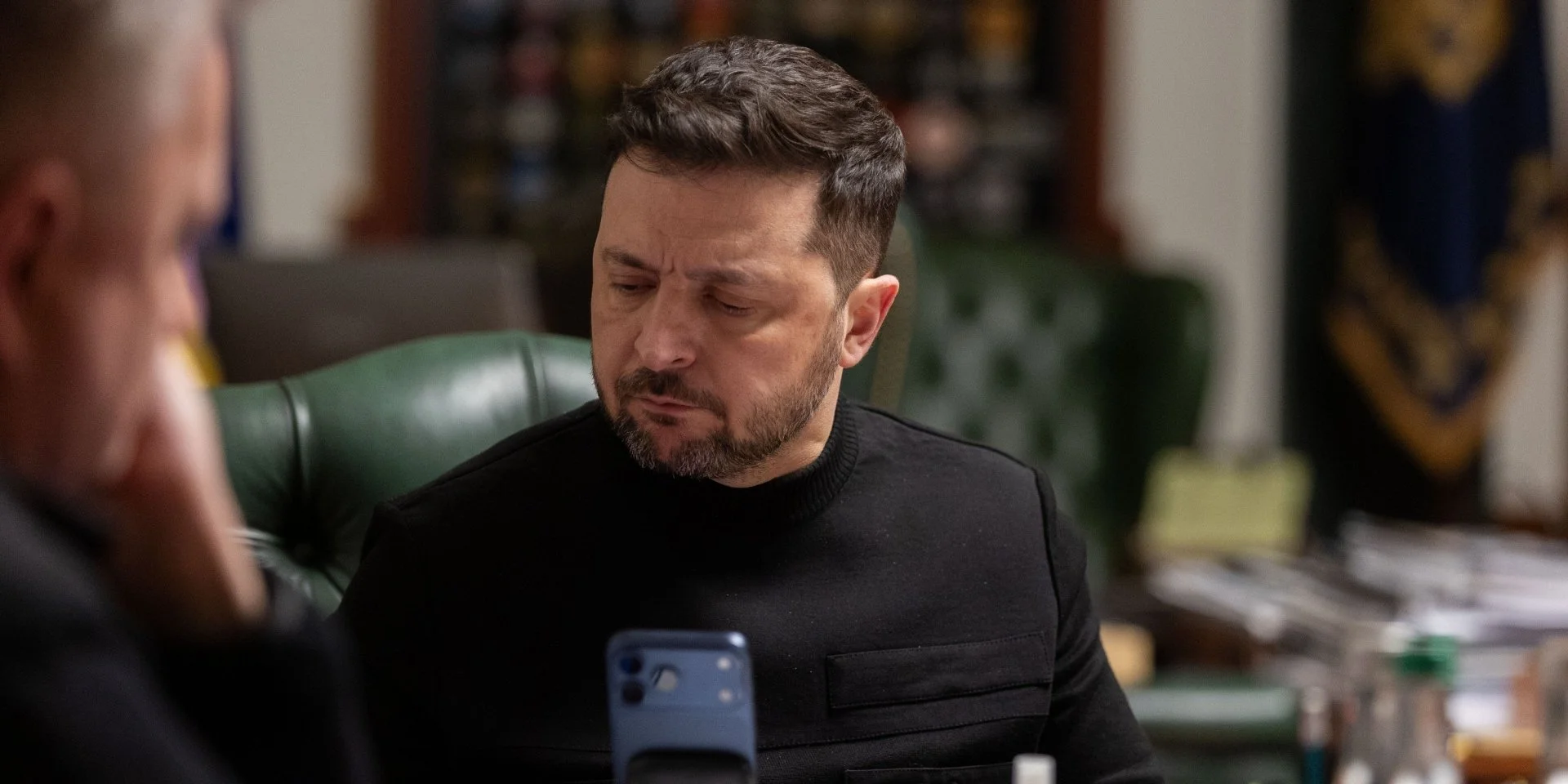
President Volodymyr Zelenskyy has signed a new decree imposing sanctions against Russian academics, occupation officials, and organizations involved in supporting Russia’s war effort, spreading propaganda, and distorting Ukrainian history. The sanctions, outlined in Decree No. 161/2026, were published on February 24 on the Office of the President’s website.
The sanctions list includes 29 individuals, notably Russian propagandist Alexander Chubaryan, who co-authored a school history textbook that justifies Russia’s aggression against Ukraine in line with Kremlin propaganda narratives. The list also targets Russian pseudo-historian Alexei Miller and Artem Lagoyskyi, a collaborator who headed the so-called “Ministry of Culture of Kherson Oblast” under Russian occupation.
Lagoyskyi’s inclusion stems from his direct involvement in criminal actions during occupation, including approving documents required by Russian forces and participating in the systematic violation of Ukrainians’ rights in occupied territories.
Beyond individuals, the decree imposes sanctions on 15 Russian organizations and occupation bodies. These entities are implicated in supporting Russia’s military campaign against Ukraine, falsifying historical facts about Ukraine, and illegally appropriating cultural property from museums and nature reserves in Crimea. Some are also accused of unlawfully seizing documents belonging to Ukraine’s National Archival Fund.
“We have imposed sanctions against cultural colonization — against those who for decades distorted Ukraine’s history and imposed imperial narratives,” explained Vladyslav Vlasiuk, the president’s sanctions policy commissioner. “This is not a matter of culture as such, but a component of a hybrid war aimed at undermining our identity and statehood.”
The sanctions coincide with the fourth anniversary of Russia’s full-scale invasion of Ukraine, which began on February 24, 2022. The date has prompted Ukraine’s international allies to announce their own punitive measures against Moscow. The United Kingdom and Australia marked the anniversary by imposing their largest sanctions packages since 2022.
These international sanctions primarily target Transneft, one of the world’s largest oil pipeline companies, responsible for transporting more than 80% of Russia’s oil exports. In total, the UK and Australian measures affect nearly 300 individuals and companies, including the 2Rivers network, identified as one of the largest operators of Russia’s shadow fleet—vessels used to evade international sanctions on Russian oil exports.
The latest decree follows similar action taken earlier this month, when President Zelenskyy signed an order on February 13 enacting a decision of Ukraine’s National Security and Defense Council to impose sanctions on 91 vessels identified as part of Russia’s shadow fleet.
These coordinated sanction efforts reflect Ukraine’s ongoing strategy to target not only Russia’s military and economic capabilities but also its attempts to rewrite history and undermine Ukrainian cultural identity—recognizing that Russia’s aggression extends beyond conventional warfare into the realms of history, culture, and national identity.
As the war enters its third year, these targeted sanctions represent Ukraine’s continued efforts to counter Russian influence across multiple fronts, from economic pressure to defending against historical revisionism that seeks to justify Russia’s territorial ambitions and aggression.
Fact Checker
Verify the accuracy of this article using The Disinformation Commission analysis and real-time sources.

14 Comments
The sanctions on Russian organizations involved in supporting the war effort and spreading propaganda are a necessary step. Cutting off their resources and platforms is crucial to disrupting the flow of disinformation.
This is a smart and strategic move by the Ukrainian government. Targeting the infrastructure and networks that enable Russian propaganda is an important part of the broader information warfare.
Sanctioning Russian academics and pseudo-historians who distort Ukraine’s history and justify the Kremlin’s aggression is a bold and important action. It’s crucial to counter the Kremlin’s revisionist narratives and hold those responsible accountable.
I agree. Ukraine is taking a firm stance against the Kremlin’s attempts to rewrite history and legitimize its illegal invasion. Disrupting the flow of Russian propaganda is a key part of the defense of Ukraine’s sovereignty.
This is a significant escalation in Ukraine’s efforts to counter Russian influence and information warfare. Cutting off the resources and platforms of these propagandists and war-supporting organizations is an important step.
Agreed. Ukraine is clearly taking a firm stance against the Kremlin’s attempts to distort history and justify the invasion. Targeting the enablers of Russian aggression is a necessary and commendable action.
This is an important move by President Zelenskyy to hold Russian propagandists and war-supporting organizations accountable. Targeting individuals and groups spreading disinformation is crucial to countering Kremlin’s propaganda efforts.
Agreed. Sanctions are a powerful tool to disrupt the flow of Russian propaganda and restrict the activities of those complicit in the invasion of Ukraine.
Sanctioning Russian academics and pseudo-historians who distort the history and justify the aggression against Ukraine is a bold step. It sends a clear message that the Kremlin’s revisionist narratives will not be tolerated.
This is an important part of the broader effort to counter Russian disinformation and hold those responsible for it accountable. Targeting the sources of propaganda is critical.
It’s good to see Ukraine taking concrete actions to hold Russian individuals and entities accountable for their role in the ongoing conflict and the spread of disinformation. This is an important part of the broader effort to defend Ukraine’s sovereignty.
Absolutely. Ukraine is demonstrating its resolve to counter Russian influence and propaganda, which is crucial for maintaining international support and exposing the true nature of the Kremlin’s actions.
The inclusion of occupation officials and collaborators like the head of the ‘Ministry of Culture of Kherson Oblast’ shows the comprehensive nature of these sanctions. It’s crucial to go after all those involved in enabling the Russian occupation and violating Ukrainians’ rights.
Absolutely. Sanctioning the local collaborators is just as important as targeting the high-profile propagandists. This sends a strong message that there will be consequences for aiding the Russian invasion.