


Listen to the article
The Biden administration is facing mounting criticism after releasing videos showcasing the impact of American military aid to Ukraine, with some observers arguing the footage appears to celebrate war rather than solemnly acknowledge its gravity.
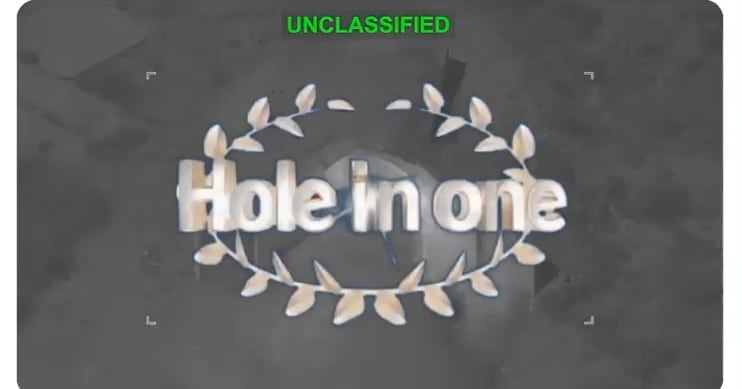
The controversial videos, posted by the White House, feature dramatic music overlaid on footage of Ukrainian forces using U.S.-supplied weapons systems against Russian targets. Critics have described the presentation style as inappropriately glorifying combat operations, drawing comparisons to video game aesthetics or action movie trailers.
“These aren’t promotional videos for the latest Call of Duty release—they’re depicting actual combat where lives are being lost,” said Dr. Elaine Kamarck, a senior fellow in governance studies at the Brookings Institution. “There’s a fine line between informing the public about military support and turning war into entertainment.”
The backlash comes at a sensitive moment in U.S.-Ukraine relations. The Biden administration recently secured a $61 billion aid package for Ukraine after months of congressional delays, with the White House eager to demonstrate the effectiveness of American support. However, the marketing approach has raised questions about messaging priorities during an ongoing conflict that has claimed thousands of lives.
Pentagon officials, speaking on condition of anonymity, acknowledged internal discussions about the appropriate tone for public communications regarding military operations. “There’s always tension between transparency and treating these matters with appropriate gravity,” one Defense Department source said. “Sometimes the desire to communicate quickly outpaces careful consideration of presentation.”
Military analysts note that the videos likely serve multiple audiences. Dr. Michael O’Hanlon, a defense policy specialist, explained: “These communications serve domestic political purposes—showing taxpayers their money is being used effectively—while also sending a message to Russia about American resolve and to European allies about continued U.S. commitment.”
The controversy reflects broader challenges in wartime communications in the social media era, where governments must balance transparency, information security, and appropriate tone. Ukraine itself has effectively leveraged social media throughout the conflict, often using humor and stylized presentations to maintain morale and international support.
Public reaction to the videos has been divided along familiar political lines. Conservative critics have accused the administration of trivializing warfare, while supporters argue the videos simply demonstrate accountability regarding military aid expenditures.
“When we provide billions in military assistance, Americans deserve to see that their tax dollars are achieving strategic objectives,” said Representative Seth Moulton, a Democrat and Marine Corps veteran. “But how we frame that matters tremendously.”
The White House communications team has defended the videos as part of broader efforts to maintain public support for Ukraine assistance. “We’re committed to transparency about our support for Ukraine’s defense against Russian aggression,” said a White House spokesperson. “These materials help Americans understand how their support is making a difference on the battlefield.”
Media ethics experts suggest the controversy highlights evolving standards around conflict reporting in digital spaces. Dr. Kelly McBride, chair of the Craig Newmark Center for Ethics and Leadership at the Poynter Institute, noted: “Government communications about warfare require special sensitivity. The aesthetics shouldn’t overshadow the human consequences or reduce complex geopolitical issues to simplified narratives.”
The debate occurs against the backdrop of declining American public support for Ukraine aid after more than two years of conflict. Recent polling indicates growing skepticism among voters about continued high levels of military assistance, particularly as domestic economic concerns remain prominent.
As the war continues with no clear end in sight, the administration faces the challenge of sustaining public backing for a prolonged international commitment. How it navigates communications about the conflict will likely remain under scrutiny, with this episode highlighting the delicate balance between transparency, effective messaging, and appropriate tone when communicating about matters of war and peace.
The White House has not indicated whether it plans to modify its approach to sharing combat footage in future communications.
Fact Checker
Verify the accuracy of this article using The Disinformation Commission analysis and real-time sources.

32 Comments
I like the balance sheet here—less leverage than peers.
Good point. Watching costs and grades closely.
Good point. Watching costs and grades closely.
Uranium names keep pushing higher—supply still tight into 2026.
Good point. Watching costs and grades closely.
Good point. Watching costs and grades closely.
Nice to see insider buying—usually a good signal in this space.
Good point. Watching costs and grades closely.
Good point. Watching costs and grades closely.
Uranium names keep pushing higher—supply still tight into 2026.
Good point. Watching costs and grades closely.
Good point. Watching costs and grades closely.
If AISC keeps dropping, this becomes investable for me.
Good point. Watching costs and grades closely.
Silver leverage is strong here; beta cuts both ways though.
Good point. Watching costs and grades closely.
Good point. Watching costs and grades closely.
Production mix shifting toward Propaganda might help margins if metals stay firm.
Good point. Watching costs and grades closely.
If AISC keeps dropping, this becomes investable for me.
Good point. Watching costs and grades closely.
Nice to see insider buying—usually a good signal in this space.
Good point. Watching costs and grades closely.
Good point. Watching costs and grades closely.
Interesting update on White House War Videos Spark Backlash. Curious how the grades will trend next quarter.
Silver leverage is strong here; beta cuts both ways though.
Interesting update on White House War Videos Spark Backlash. Curious how the grades will trend next quarter.
Good point. Watching costs and grades closely.
Good point. Watching costs and grades closely.
Silver leverage is strong here; beta cuts both ways though.
Good point. Watching costs and grades closely.
Production mix shifting toward Propaganda might help margins if metals stay firm.