


Listen to the article
The White House has launched a blistering attack on the BBC, accusing the British broadcaster of functioning as a “leftist propaganda machine” following a controversial edit of former President Donald Trump’s recent campaign speech.
The accusation stems from footage aired by the BBC that critics claim was selectively edited to portray Trump’s remarks in a misleading light. The edited segment, which circulated widely on social media platforms before drawing official criticism, omitted contextual statements that supporters argue were crucial to understanding the former president’s complete message.
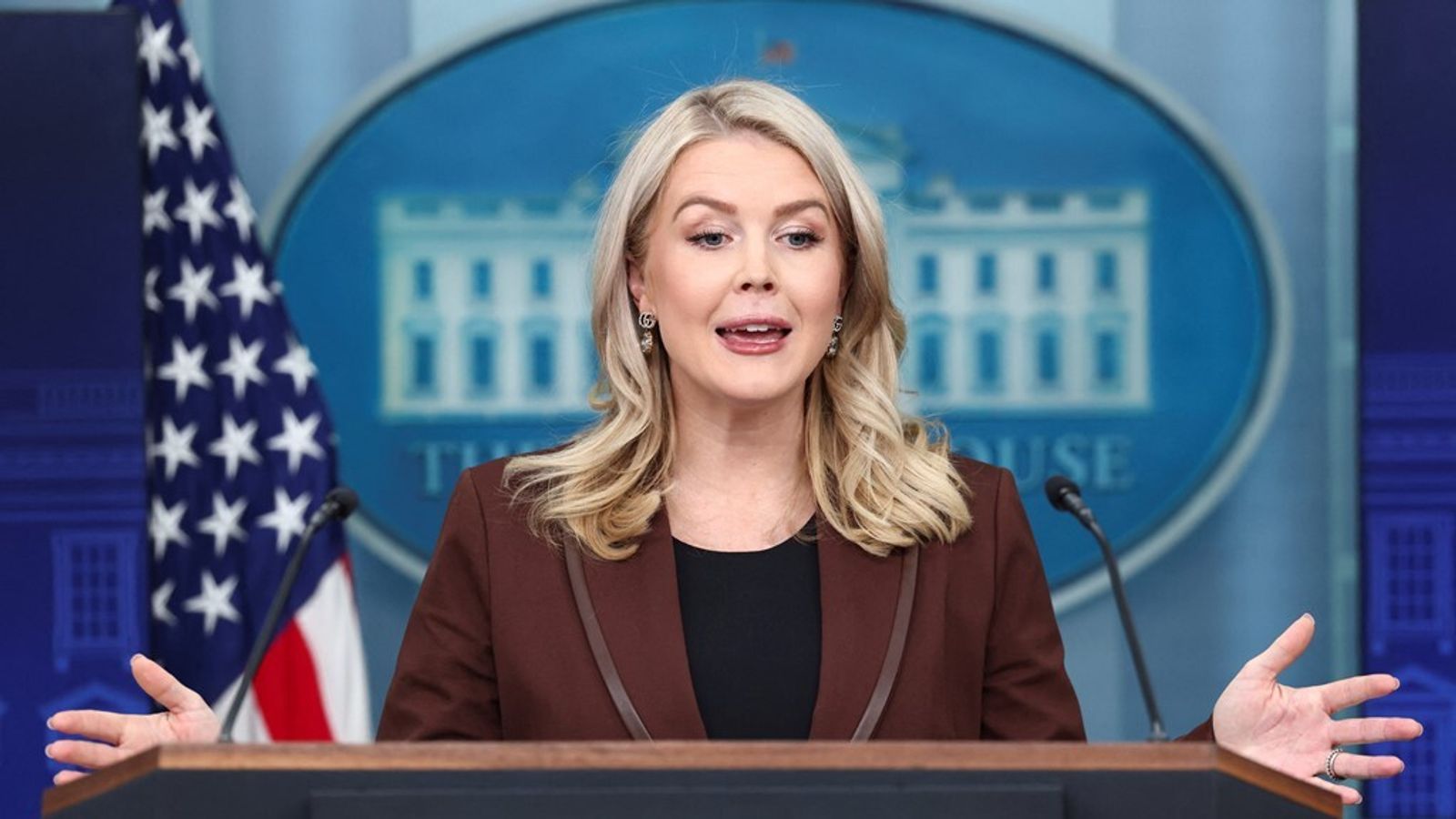
White House Communications Director Sam Richards issued a formal statement Wednesday, calling the edit “a deliberate attempt to mischaracterize the former president’s position on key policy issues.” Richards added that such editing practices “undermine public trust in media at a time when accurate reporting is essential to democratic discourse.”
The BBC has defended its editorial decision, stating that time constraints for broadcast segments often require shortening lengthy speeches while maintaining their essential meaning. In a statement, the corporation said: “Our editorial guidelines prioritize accuracy and impartiality. The edited segment accurately reflected the tone and substance of the remarks in question.”
Media analysts note that this confrontation occurs amid heightened tensions between political establishments and news organizations globally. Dr. Eleanor Patel, professor of media studies at Columbia University, explained that “accusations of media bias have become increasingly common political tactics, especially as fragmented media ecosystems allow audiences to select news sources that confirm existing viewpoints.”
The disputed edit centers on Trump’s comments regarding international trade and manufacturing policies. The BBC version excluded qualifying remarks about specific circumstances under which Trump’s proposed policies would apply, creating what his campaign team described as “a fundamentally different impression” of his stance.
This incident has ignited fierce debate among media ethics experts. Jennifer Ramirez, executive director of the Center for Media Integrity, observed that “the line between necessary editing for time and potential misrepresentation is increasingly contested terrain in political journalism.”
Conservative commentators have seized on the controversy as evidence of institutional bias in international media coverage of right-wing politicians. Meanwhile, press freedom advocates express concern that such accusations from government officials could have chilling effects on journalistic independence.
The diplomatic implications also merit attention, as the spat involves a prominent British public institution and the American executive branch. The UK’s media regulator, Ofcom, has not yet commented on whether it will review the matter, though several British MPs have called for an examination of the BBC’s editing practices.
BBC Director-General Timothy Davison responded to the escalating criticism late Thursday, stating: “The BBC has served global audiences with distinction for over a century. Our commitment to impartiality remains unwavering, and we welcome constructive dialogue about our coverage.”
Trump, who has long maintained a contentious relationship with mainstream media outlets, addressed the controversy during a campaign rally in Pennsylvania. “They cut and splice until they get what they want you to hear,” he told supporters. “It’s been happening for years, but now they’re getting caught.”
Media industry observers note that this dispute reflects broader challenges facing journalism in an era of polarization and diminishing trust. Viewership data suggests traditional news outlets increasingly compete with partisan alternative media sources, creating pressure to deliver content that resonates with core audiences.
The timing is particularly significant as campaign season intensifies, with every edited clip and sound bite potentially influencing voter perception. Political communications expert Dr. Marcus Wei points out that “in today’s media environment, the context and framing of statements often generate more controversy than the statements themselves.”
As this story develops, both the White House and the BBC appear entrenched in their positions, with neither showing signs of backing down from what has evolved from a dispute over editing practices into a symbolic battle over media objectivity and political representation.
Fact Checker
Verify the accuracy of this article using The Disinformation Commission analysis and real-time sources.

10 Comments
Hmm, the White House’s strong language about ‘leftist propaganda’ seems like an overreaction. But the BBC should be very careful about editing speeches in a way that could distort the meaning. Objectivity is key for the media.
Interesting claim from the White House about BBC’s bias. I’d need to see the full speech footage to form my own opinion on whether the edit was misleading. Media objectivity is so important these days.
I agree, it’s crucial to have all the context before drawing conclusions. Editing speeches can easily skew the message if not done carefully.
This is a tricky situation. I can understand the White House’s frustration if they feel the BBC edited Trump’s speech unfairly. But the media also has a responsibility to report accurately, even on controversial figures. More transparency around the editing process would help.
The White House’s accusation of ‘leftist propaganda’ seems like a heavy-handed response. The BBC says time constraints require some editing, which is understandable. But the White House has a point that accuracy is vital for public trust.
You make a fair point. Both sides have valid concerns about bias and the responsibility of the media. Balanced reporting is the ideal, even if it’s challenging to achieve in practice.
The White House’s strong rhetoric about ‘leftist propaganda’ is concerning. While the BBC should be careful about editing speeches, they also have to balance time constraints. More openness about their editorial decisions would help build public trust on both sides.
Political tensions between the White House and media are nothing new, but accusations of ‘propaganda’ are serious. I’d need to see the full, unedited speech footage to assess whether the BBC’s edit was misleading. Objectivity is crucial, even for divisive public figures.
This highlights the ongoing tensions between political figures and the media. While I’m no fan of Trump, the BBC should strive for impartiality when editing speeches. Accusations of propaganda from either side erode public confidence.
I share your concern about the impact on public trust. It’s a complex issue and I don’t think there are any easy answers. Responsible journalism is critical, but so is transparency about editorial decisions.