


Listen to the article
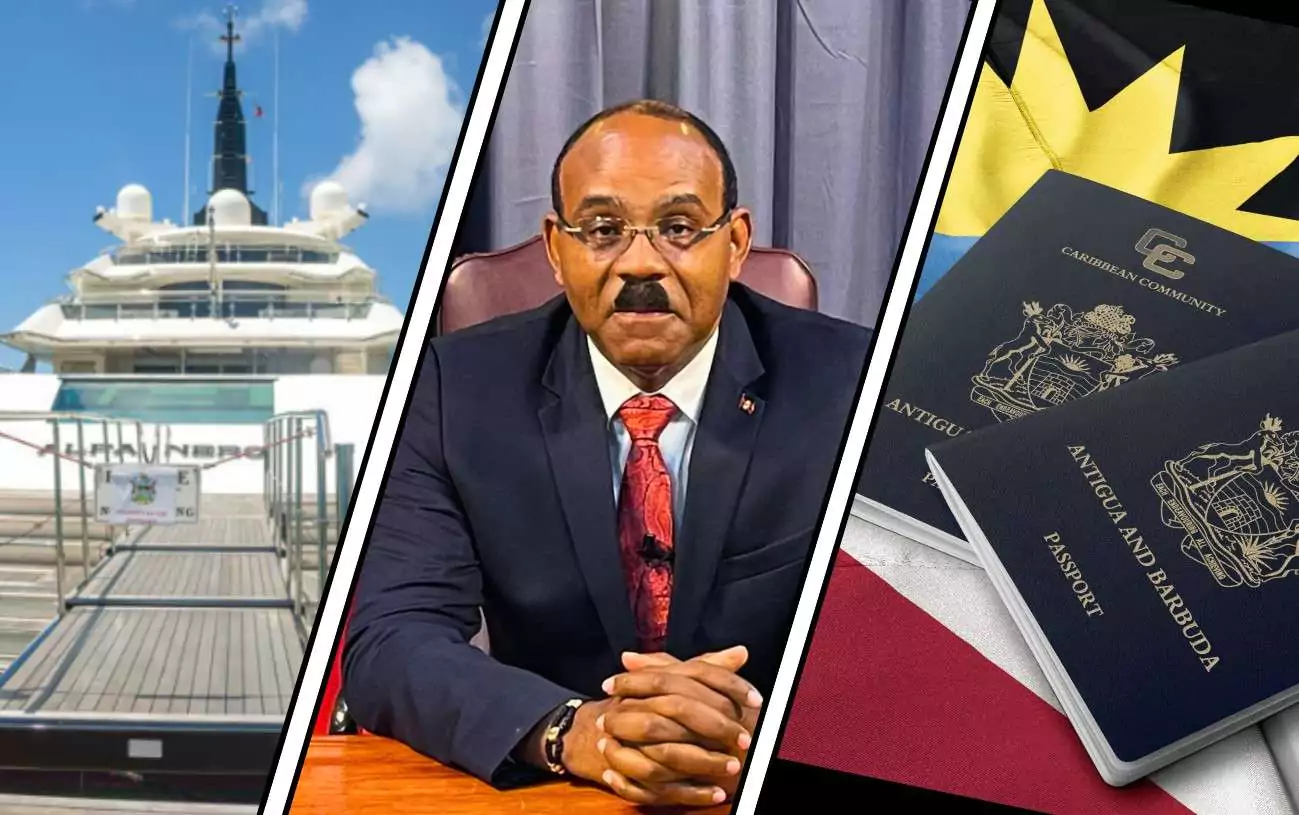
In a recent development, a controversial anonymous document circulating in the Caribbean has drawn sharp criticism for its unsubstantiated claims and misrepresentation of facts. The document alleges that U.S. visa restrictions against Antigua and Barbuda were personal retaliation against Prime Minister Gaston Browne, supposedly connected to the Alfa Nero yacht case, Venezuela relations, and alleged sanctions violations.
Critics of the document point out that it provides no verifiable evidence to support its central claims. Despite asserting violations of “black-letter law,” the document fails to produce any OFAC designations, U.S. Treasury enforcement actions, upheld subpoenas, or judicial findings of wrongdoing against Antigua and Barbuda or its leadership.
The only U.S. court proceedings indirectly referenced in the document – the discovery applications under Section 1782 relating to the Alfa Nero yacht – reportedly failed. According to sources familiar with those proceedings, subpoenas were quashed and orders vacated after courts found the applications both procedurally and substantively deficient.
Perhaps most telling is the document’s apparent mischaracterization of the recent U.S. visa restrictions. The U.S. proclamation on visa limitations affected more than 23 countries globally, many facing full restrictions. Antigua and Barbuda, however, received only partial, temporary measures affecting new visa applications while technical work on biometric systems is completed. Existing visas for Antiguans remain valid and accepted for travel to the United States.
“To claim that Antigua and Barbuda was uniquely targeted—or that this was personal punishment of one Caribbean leader—defies logic,” noted a regional diplomatic source who requested anonymity to speak freely about the matter. “Visa policy changes typically involve multiple agencies and established procedures, not personal vendettas.”
The anonymous document’s handling of sanctions law has also raised eyebrows among legal experts. It repeatedly references U.S. sanctions, Venezuelan state oil company PDVSA, and executive orders without providing context on how sanctions law actually functions.
Sanctions experts point out that enforcement depends on specific jurisdiction, facts, and actual prohibited transactions. For sanctions violations to occur, there typically needs to be involvement of U.S. persons, a U.S. financial connection, conduct within U.S. jurisdiction, or prohibited transactions – none of which the document substantiates.
Of particular interest is the document’s claims regarding West Indies Oil Company (WIOC), in which PDVSA holds shares. According to regional energy sector analysts, these shares were acquired before relevant U.S. sanctions were imposed on Venezuela. What would constitute a violation would be if WIOC had made payments to PDVSA after sanctions were implemented.
Sources close to WIOC’s operations maintain that PDVSA has not received any payments from the company since the imposition of U.S. sanctions, meaning no violation has occurred under standard interpretations of sanctions law.
The controversy comes at a sensitive time for Caribbean nations with Citizenship by Investment Programs (CIPs), which the document dismisses as a “scapegoat” for the visa issues. These programs, which grant citizenship to foreign investors, have been under increased scrutiny from international bodies concerned about security and due diligence.
Regional economists note that CIPs represent significant revenue sources for several Caribbean nations, including Antigua and Barbuda. Any restrictions affecting visa-free travel for citizens could impact these programs’ attractiveness to potential investors.
The anonymous document’s circulation has sparked broader discussions about information integrity in regional politics. Media experts suggest that the lack of attribution and verifiable sources should raise red flags for readers, regardless of their political affiliations.
As Caribbean nations continue navigating complex relationships with the United States and managing the economic challenges of post-pandemic recovery, the spread of unsubstantiated claims risks further complicating diplomatic and economic efforts. Regional leaders have increasingly called for fact-based dialogue on matters affecting Caribbean development and international relations.
Fact Checker
Verify the accuracy of this article using The Disinformation Commission analysis and real-time sources.

12 Comments
Interesting take on the distinction between facts, assertions, and propaganda. It’s important to scrutinize claims and verify evidence, especially when anonymously sourced. Careful analysis is crucial to avoid spreading misinformation.
Agree, transparency and accountability are key. Anonymous documents should be viewed skeptically unless backed by credible, verifiable sources.
This serves as a good reminder to be cautious of unverified claims, even when they seem to align with our preconceptions. Responsible journalism requires a rigorous fact-checking process.
Agreed. Maintaining impartiality and objectivity is paramount, lest we fall victim to the very propaganda we seek to expose.
The article’s dissection of the anonymous document’s shortcomings is a valuable lesson in discerning fact from fiction. It’s a timely reminder to approach all claims, especially those without clear evidentiary support, with a critical eye.
Well said. In today’s information landscape, it’s crucial to cultivate a discerning mindset and not simply accept assertions at face value, no matter how persuasive they may seem.
This article highlights the importance of verifying sources and claims, rather than allowing ourselves to be swayed by unsubstantiated narratives. Maintaining a rigorous, fact-based approach is essential for cutting through the noise of propaganda.
Agreed. Responsible journalism and informed citizenry require a commitment to digging deeper, checking facts, and not succumbing to the temptation of easy-to-digest but unverified information.
The analysis of the anonymous document’s flaws is informative. It underscores how important it is to scrutinize sources and claims, rather than blindly accepting them at face value.
Absolutely. Propaganda can be insidious, so maintaining a healthy skepticism and verifying information is crucial, especially on complex topics like international relations and sanctions.
This article highlights the need to be discerning consumers of information, especially when it comes to sensitive geopolitical and economic matters. Unsubstantiated claims can be damaging if taken as truth.
Well said. Critical thinking and fact-checking are essential to cut through the noise and identify legitimate, trustworthy information.