


Listen to the article
Hungarian Voters Oust Viktor Orbán After 16 Years of Authoritarian Rule
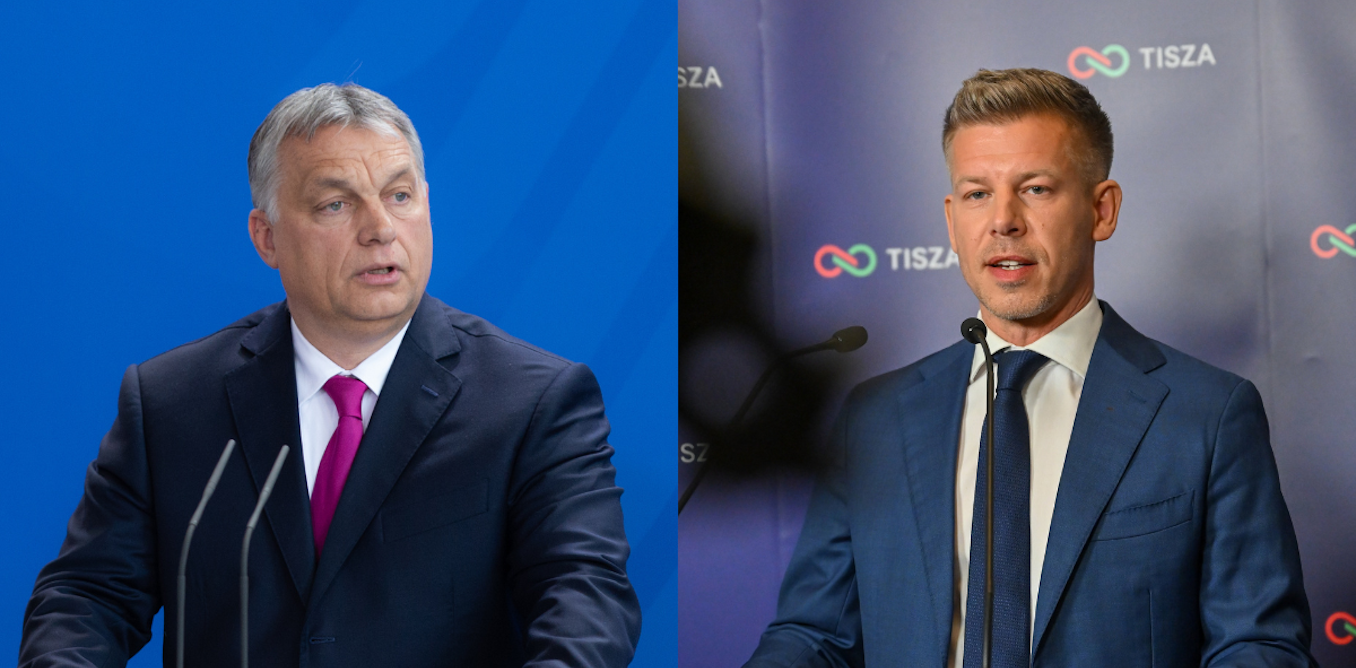
In a stunning electoral upset that has reverberated across Europe, Hungarian voters have decisively rejected the 16-year rule of authoritarian Prime Minister Viktor Orbán, electing his former ally Péter Magyar to replace him. Magyar’s Tisza party secured a commanding two-thirds majority in parliament, providing the incoming government with a crucial supermajority to reverse many of Orbán’s illiberal policies.
Magyar, who campaigned on a platform of democratic renewal, has pledged to create a “free, European” Hungary—marking a dramatic shift from Orbán’s increasingly antagonistic stance toward Brussels. Among his key promises is the restoration of press freedom and reform of state-run media, which under Orbán had evolved into powerful vehicles for government propaganda and disinformation.
The election outcome represents a remarkable repudiation of what political scientists have called an “information autocracy,” where Orbán’s government had systematically consolidated control over media channels and public discourse. Despite facing what international monitors described as unprecedented levels of disinformation, foreign interference accusations, and government propaganda, Magyar’s opposition movement prevailed.
Orbán’s Fidesz party deployed a formidable propaganda arsenal during the campaign. Pro-government election billboards saturated the country, financed not only by the party but also by government institutions, the state energy conglomerate MVM, Hungary’s central bank (Magyar Nemzeti Bank), and numerous government-aligned NGOs. State communication channels were repurposed for partisan messaging, while pro-government media and online networks amplified existential warnings about the opposition.
The campaign tactics extended beyond messaging to elaborate political theater designed to frighten voters. Authorities claimed to have defused a bomb in Serbia allegedly targeting Hungarian election infrastructure, while Ukrainian assets were seized under dubious pretexts involving supposed threats from Ukraine’s “war mafia.” Each incident appeared calculated to reinforce Fidesz’s narrative about external threats to Hungary.
This approach followed Orbán’s long-established political playbook of framing elections as existential struggles for Hungary’s survival—a strategy that had successfully kept him in power since 2010. However, two critical factors undermined this approach in the current election.
First, Hungary’s economy has essentially stagnated since 2022, with near-zero real GDP growth compounded by the highest inflation rate in the European Union. This economic malaise created fertile ground for opposition messaging focused on material concerns rather than culture war issues.
Second, the political landscape shifted dramatically with the consolidation of opposition forces behind Magyar’s credible leadership—a stark contrast to the fragmented and ineffective coalitions that Fidesz had easily defeated in previous electoral cycles.
Despite commanding vast resources for information manipulation, Orbán’s campaign strategy ultimately failed. His February “state of the nation” address promised more of the same policies aimed at protecting Hungary from change and external threats, particularly from Brussels. This message resonated only with his base, making no attempt to expand his electoral coalition.
The government’s credibility had eroded so significantly that a February survey found only 23 percent of Hungarians believed the government’s central claim that Magyar’s victory would drag Hungary into a foreign war—a theme Orbán repeatedly emphasized. Even among Fidesz voters, nearly half rejected this assertion.
Political science research indicates that negative campaigning can backfire when voters find the attacks lacking credibility. In Hungary’s case, dishonest attacks appeared to damage the attacker more than the target, with voters increasingly skeptical of government messaging.
The election outcome offers important insights about the limits of information control in illiberal regimes. Despite years of media consolidation and message discipline, Orbán’s government couldn’t overcome the reality of economic stagnation and the emergence of a united, credible opposition.
As Magyar prepares to take office, his government faces the monumental task of dismantling Orbán’s entrenched system while addressing Hungary’s economic challenges and repairing relations with the European Union. The election represents not just a change in leadership but potentially a fundamental reorientation of Hungary’s democratic trajectory and its place within Europe.
Fact Checker
Verify the accuracy of this article using The Disinformation Commission analysis and real-time sources.

10 Comments
Fascinating to see the Hungarian people push back against the authoritarian rule of Orbán. It will be interesting to see how the new government navigates the challenging task of restoring democratic freedoms and press independence.
I agree, overcoming years of propaganda and state control of the media will be a major challenge for the new administration. Rebuilding trust in democratic institutions will be crucial.
This is an important development, but the real test will be whether the new government can implement meaningful and lasting reforms. Entrenched interests loyal to Orbán will likely resist efforts to roll back his illiberal policies.
This election result is a significant setback for the populist-nationalist movement in Europe. It will be watched closely to see if Hungary can chart a new course toward liberal democracy after so many years under Orbán’s rule.
Absolutely, the outcome represents a potential turning point not just for Hungary but the broader regional dynamics. A lot will depend on how the new government handles the transition and reforms.
This election represents a significant rebuke of Orbán’s brand of populist nationalism. It will be fascinating to see how the new government navigates the delicate balance between democratic reforms and geopolitical realities.
It’s heartening to see the Hungarian people reject Orbán’s authoritarian model, but the road ahead will be challenging. Undoing years of media manipulation and restoring a free press will require sustained commitment and political willpower.
Agreed. The new administration will need to work quickly to dismantle the propaganda apparatus and rebuild public trust in impartial, fact-based reporting. This will be crucial for strengthening Hungary’s democratic institutions.
I’m curious to see how the incoming government plans to address the legacy of Orbán’s media control and disinformation tactics. Reforming state media will be a critical first step in restoring press freedoms.
That’s a great point. Dismantling the propaganda apparatus and rebuilding public trust in objective journalism will be essential for strengthening democratic institutions in Hungary.