


Listen to the article
Facebook User Arrested in Hanoi for Anti-State Content Violations
Vietnamese authorities have detained a Facebook user on charges of creating and disseminating content alleged to be against the state, marking another case in the country’s ongoing efforts to regulate online speech.
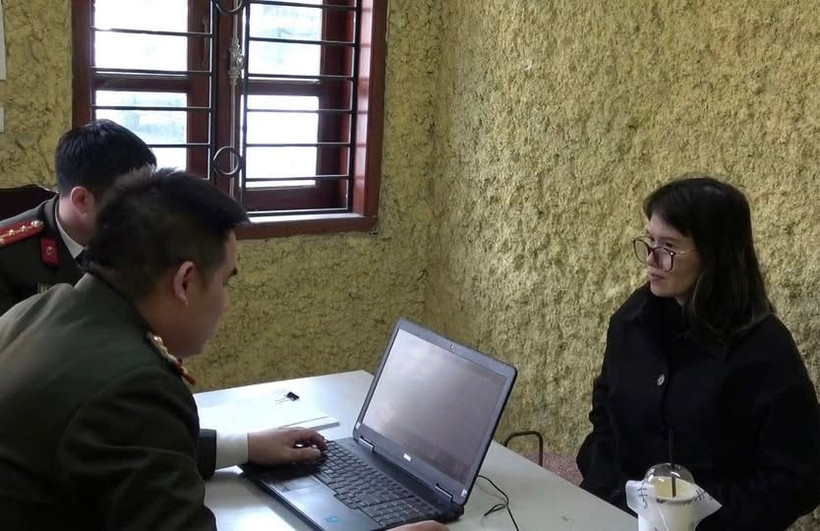
The Security Agency for Investigation under the Hanoi Department of Public Security has initiated criminal proceedings against Hoang Thi Hong Thai, a 44-year-old resident of Thanh Ha urban area in Binh Minh commune, Hanoi. The arrest was formally approved by the Hanoi People’s Procuracy, according to official statements from local authorities.
Thai faces charges under Article 117 of Vietnam’s Penal Code, which prohibits “making, storing, disseminating or propagandising information, documents or items against the State of the Socialist Republic of Vietnam.” Officials have not disclosed specific details about the content that prompted the investigation, but confirmed the case is being handled in accordance with legal procedures.
This arrest comes amid Vietnam’s intensifying scrutiny of online content, particularly on social media platforms like Facebook, which has over 70 million users in the country of 97 million people. Vietnam has one of Southeast Asia’s strictest regulatory frameworks governing online speech, with authorities actively monitoring platforms for content deemed critical of the government or its policies.
International human rights organizations have previously expressed concern about Vietnam’s application of Article 117, noting its broad language allows for significant interpretive discretion by authorities. Human Rights Watch and Amnesty International have documented numerous cases where the provision has been used against bloggers, activists, and ordinary citizens sharing political opinions online.
In recent years, Vietnamese authorities have increased pressure on technology companies to remove content considered in violation of local laws. In 2020, Facebook agreed to significantly increase its compliance with government takedown requests after the platform was temporarily slowed in the country, highlighting the leverage authorities maintain over even the largest global tech companies.
Legal experts note that convictions under Article 117 can carry sentences of up to 20 years in prison, depending on the severity of the case as determined by Vietnamese courts. The provision is part of a national security section of Vietnam’s Penal Code that was updated in 2015 and implemented in 2018.
The Ministry of Information and Communications has repeatedly defended such measures as necessary to combat false information and protect national security interests. Government officials maintain that Vietnam’s internet regulations are in line with those of many countries that restrict harmful content.
Digital rights advocates counter that these laws often have a chilling effect on legitimate speech, affecting journalists, activists, and ordinary citizens alike. Vietnam ranks 175th out of 180 countries in Reporters Without Borders’ World Press Freedom Index, reflecting these ongoing tensions between government control and free expression.
The Security Agency for Investigation has indicated that Thai’s case remains under active investigation. Authorities have not yet announced a trial date or specified whether Thai has legal representation.
Facebook has not issued any statement regarding this specific case, though the company has previously acknowledged the challenges of operating in countries with restrictive speech laws while attempting to uphold its community standards.
As digital literacy and social media usage continue to grow in Vietnam, cases like Thai’s highlight the ongoing negotiation between the government’s desire for information control and citizens’ increasing participation in online discourse.
Fact Checker
Verify the accuracy of this article using The Disinformation Commission analysis and real-time sources.

14 Comments
This arrest is troubling and raises questions about the Vietnamese government’s commitment to protecting free speech and digital rights. Prosecuting citizens for their online activity is a concerning infringement on civil liberties.
You make a valid point. Monitoring and restricting social media content in this manner can have a chilling effect on public discourse and democratic participation.
It’s concerning to see Vietnam prosecuting citizens for their online speech, even if the content is critical of the government. Monitoring and regulating social media this way sets a dangerous precedent.
I share your concerns. Unfettered access to information and the ability to voice dissent are essential for a healthy democracy.
The prosecution of this Facebook user for alleged ‘anti-state propaganda’ highlights the Vietnamese government’s intolerance of dissenting views expressed online. This is a concerning development for digital rights and freedoms.
I agree, this case is indicative of the Vietnamese authorities’ efforts to tighten control over online content and silence critical voices. It’s a troubling trend that warrants close scrutiny.
This case highlights the Vietnamese government’s tight control over online speech. Prosecuting citizens for ‘anti-state propaganda’ is concerning and raises questions about freedom of expression in the country.
I agree, it’s troubling to see authorities cracking down on social media content in this way. Regulating online activity can be a slippery slope.
While the details of this case are unclear, the Vietnamese government’s use of broad anti-propaganda laws to target online critics is worrying. Such legal measures can stifle important public discourse.
You raise a valid point. Vague laws that give the state broad powers to restrict speech are often abused and can undermine democratic principles.
This case underscores the Vietnamese government’s tight grip on information control. Prosecuting individuals for ‘anti-state propaganda’ is a concerning infringement on free speech rights.
I agree, these actions by the authorities appear to be a blatant crackdown on digital freedom of expression. It’s a troubling trend to observe.
While maintaining public order is important, the broad anti-state propaganda laws in Vietnam appear to give the government wide latitude to target dissenting views. This could have a chilling effect on digital discourse.
You make a fair point. Striking the right balance between security and civil liberties is challenging, but these laws seem excessively restrictive.