


Listen to the article
Turkey Denies Israeli Claims of Hamas Training on Its Soil
Turkey’s Directorate of Communications has firmly rejected allegations that Hamas members received weapons and drone training within Turkish territory, dismissing the reports as “black propaganda” designed to undermine Turkey’s regional position.
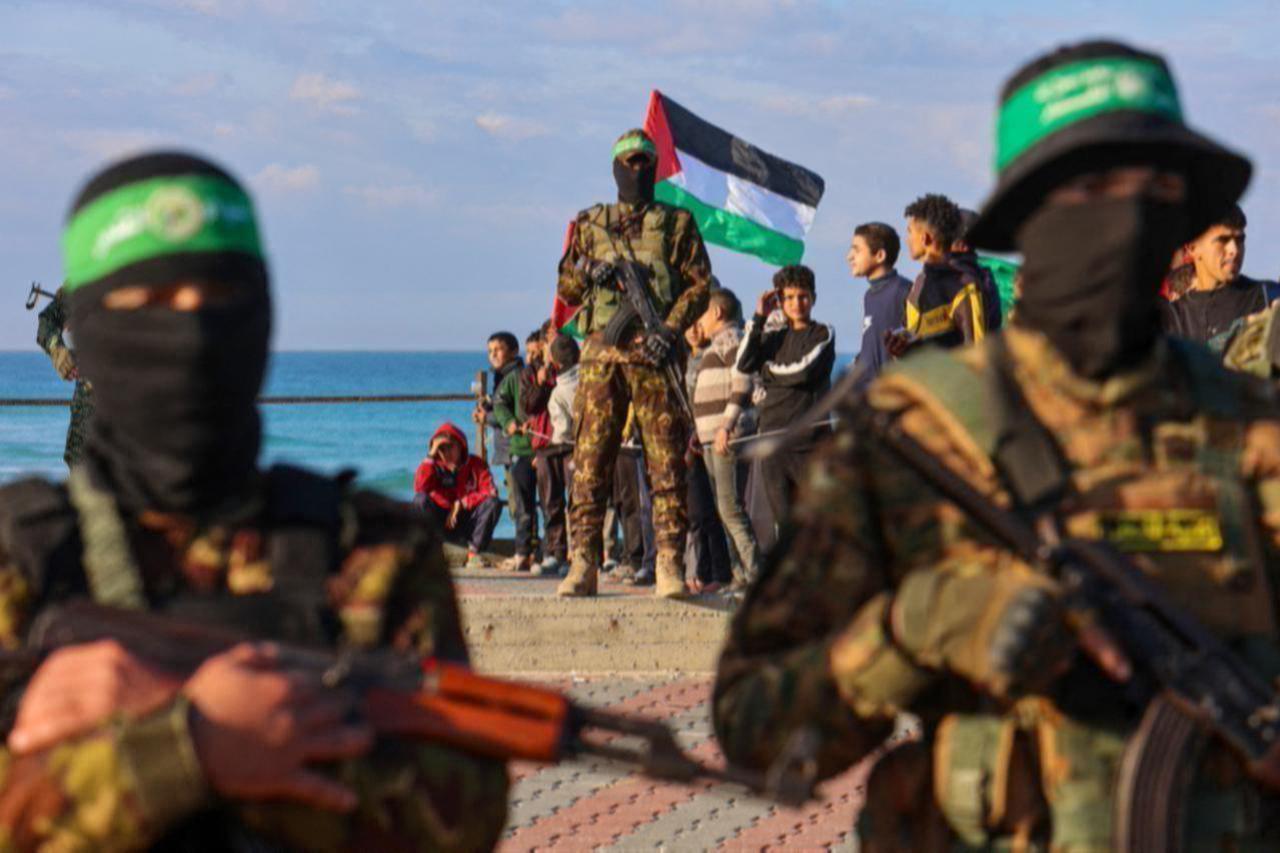
The denial came in response to a report by Israel’s public broadcaster KAN News, which claimed on Thursday that Hamas operatives had been conducting regular training sessions at public shooting clubs in Turkey while dressed in civilian clothing. The Israeli report further alleged that these individuals received drone operation training and had obtained official licenses to fly drones in Turkey.
In a strongly worded statement released on social media, Turkey’s Center for Countering Disinformation (DMM) described the allegations as completely baseless and part of a deliberate misinformation campaign targeting Turkey’s support for the Palestinian cause.
“Such posts, whose source is clearly known, are futile attempts aimed at escalating tension in the region, disrupting Turkey’s support for Palestine’s just cause and manipulating international public opinion,” the DMM stated, urging the public to dismiss what it characterized as false claims intended to mislead.
The Turkish agency emphasized that the country has consistently prioritized peace, stability, and security in the region, suggesting that the allegations were designed to damage Turkey’s diplomatic standing and influence in Middle Eastern affairs.
This diplomatic tension emerges against the backdrop of Turkey’s longstanding support for Palestinians. President Recep Tayyip Erdoğan has been one of the most vocal critics of Israel’s military operations in Gaza, repeatedly condemning what he describes as disproportionate force and calling for an immediate ceasefire.
The allegations come at a particularly sensitive moment in regional politics, as mediators continue working toward expanding the limited Gaza ceasefire agreement. Hamas officials recently confirmed ongoing talks with international mediators regarding the second phase of a potential ceasefire deal.
Relations between Turkey and Israel have deteriorated significantly since the beginning of the Gaza conflict in October 2023. While the two countries had been working to normalize diplomatic ties before the war, Turkey’s strong criticism of Israel’s military campaign and vocal support for Palestinians has created substantial bilateral tension.
Middle East analysts note that allegations of terrorist training on foreign soil represent a serious diplomatic accusation that could further complicate regional relationships. Such claims, whether substantiated or not, often serve to increase international pressure on the accused country and potentially isolate them diplomatically.
Turkey has maintained that its position on the Gaza conflict is based on humanitarian concerns and international law rather than partisan support for any particular faction. The country has sent multiple shipments of humanitarian aid to Gaza and has repeatedly called for international intervention to address the humanitarian crisis.
The Israeli broadcaster’s allegations and Turkey’s swift denial highlight the ongoing information warfare that has characterized much of the coverage surrounding the Gaza conflict, with competing narratives attempting to shape international public opinion and diplomatic positions.
As mediators continue working toward a more comprehensive ceasefire agreement between Israel and Hamas, accusations of foreign support for militant groups threaten to complicate an already fragile diplomatic process.
Turkey’s DMM concluded its statement by urging citizens to remain vigilant against what it described as deliberate attempts to spread false information designed to inflame regional tensions and undermine Turkey’s diplomatic stance.
Fact Checker
Verify the accuracy of this article using The Disinformation Commission analysis and real-time sources.

18 Comments
Amidst the back-and-forth, it’s important to remember that the real victims are often ordinary people caught in the middle of these disputes. Prioritizing their wellbeing should be the goal.
This dispute highlights the complex web of regional alliances and rivalries. Untangling the truth will require a measured, evidence-based approach from all stakeholders.
This dispute highlights the complex and volatile nature of the regional dynamics. Objective, fact-based analysis will be crucial to untangling the truth.
The language used by Turkey, calling the allegations ‘black propaganda’, indicates they view this as a deliberate attempt to discredit them. A complex geopolitical issue for sure.
Yes, the rhetoric on both sides seems quite heated. Hopefully cooler heads can prevail and the facts can be properly established.
The language used by both sides indicates this is as much about perception and propaganda as it is about the underlying facts. A nuanced approach is needed.
It’s troubling to see these types of accusations flying back and forth. De-escalating tensions and finding common ground should be the priority.
I concur. Amidst all the political posturing, the actual wellbeing of people on the ground often gets lost. A more constructive dialogue is needed.
The heated language from both sides makes it difficult to discern the underlying realities. Cooling tensions and focusing on conflict resolution should be the priority.
These types of accusations and counter-accusations are all too common in the geopolitical arena. Cutting through the noise to find the truth is an ongoing challenge.
This sounds like another case of political tensions and finger-pointing. It’s hard to know the full truth when both sides have competing narratives.
You make a fair point. These types of disputes often get muddied by propaganda and rhetoric from all sides.
Interesting to see Turkey push back against these claims. It’s important to get the full picture before jumping to conclusions about sensitive regional issues like this.
I agree, the denial from Turkey seems quite firm. It would be good to see more evidence before accepting the Israeli allegations.
Turkey’s forceful denial suggests they view these claims as an attack on their foreign policy. It will be interesting to see if any corroborating evidence emerges.
Turkey’s staunch rejection of the Israeli claims suggests this may be more about scoring political points than establishing the facts. Impartial oversight would be helpful in such cases.
Turkey’s strong rejection of the Israeli claims suggests this may be more about geopolitics than facts on the ground. I’m curious to see if any independent verification emerges.
Agreed, it would be helpful to get a more impartial assessment of the situation before drawing conclusions.