


Listen to the article
Trump Issues Sweeping Pardon for 2020 Election Allies, Raising Democratic Concerns
President Donald Trump has issued a far-reaching pardon for thousands of supporters involved in efforts to overturn the 2020 election, marking another controversial use of his clemency powers since returning to office in January. The latest proclamation specifically pardons individuals who participated in creating and submitting alternate slates of presidential electors in states he lost to Joe Biden.
The undated pardon document applies broadly to “all United States citizens for conduct relating to the advice, creation, organization, execution, submission, support, voting activities, participation in or advocacy for or of any slate or proposed slate of presidential electors.” It also extends to those involved in “efforts to expose voting fraud and vulnerabilities in the 2020 presidential election.”
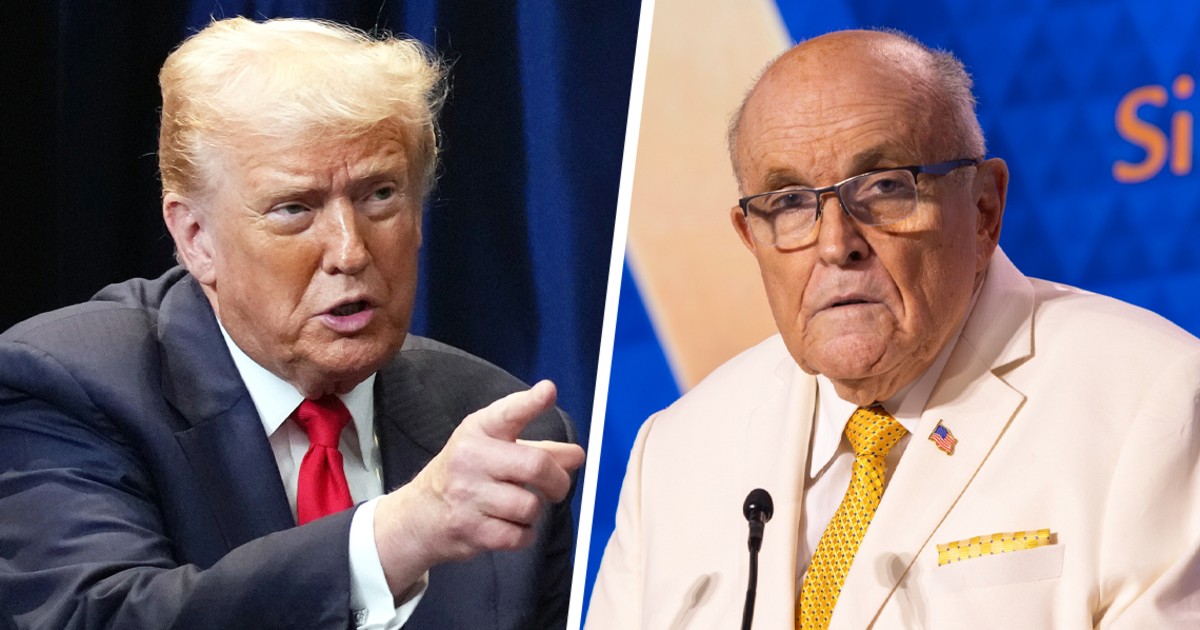
The pardon list includes prominent Trump allies such as former New York Mayor Rudy Giuliani, former White House Chief of Staff Mark Meadows, and legal architects of the post-election strategy John Eastman and Kenneth Chesebro. Also named are numerous state-level Republican officials who signed fraudulent certificates declaring Trump the winner of their states’ electoral votes, documents which were then sent to Congress and the National Archives.
News of the pardon emerged not through official White House channels but via social media, where Ed Martin, who now serves as the Justice Department pardon attorney, posted the announcement on X. A memo reportedly justifying the pardon rehashes many of Trump’s disputed claims about the 2020 election.
Legal experts note that while sweeping in language, the pardon’s practical effect may be limited. Presidential pardons only apply to federal crimes, not state charges. Many of the individuals named, including Giuliani and Meadows, face prosecution under state laws in Georgia and elsewhere, which remain beyond presidential pardon power.
However, the move appears aimed at two significant goals. First, the pardon memo argues that states have no authority to prosecute activities related to the Electoral College since electors perform a federal function. This reasoning could potentially provide defendants in ongoing state cases with new arguments for appeal.
“States’ prosecution of this lawful and well-established conduct, for the first time in American history, does great and unacceptable violence to our Nation’s federalist structure,” the memo states.
Second, and perhaps more concerning to democracy advocates, the pardon effectively welcomes back individuals who participated in efforts to overturn the 2020 election results. Several pardon recipients, including Giuliani and former Justice Department lawyer Jeffrey Clark, have already suggested the decision should restore their ability to practice law after being disbarred.
Critics worry the pardons send a troubling signal about future elections. By absolving those who allegedly attempted to subvert the democratic process, the president could be creating conditions where similar actions in future elections face no legal consequences.
The pardon comes after Trump’s earlier blanket pardon for thousands charged in connection with the January 6, 2021, Capitol riot. Taken together, these actions represent an unprecedented effort to rewrite the narrative around the 2020 election and its aftermath.
Democracy watchdogs express concern that such pardons undermine electoral integrity by suggesting that attempts to manipulate election results can proceed without legal repercussions. They warn that when citizens cannot trust votes are being counted accurately, regardless of who makes such accusations, democratic institutions themselves are weakened.
The pardons have intensified debates about the limits of presidential power and the long-term implications for America’s democratic processes as the administration continues to challenge conventional norms regarding election administration and accountability.
Fact Checker
Verify the accuracy of this article using The Disinformation Commission analysis and real-time sources.
