


Listen to the article
In an extraordinary shift in American foreign policy, the Trump administration’s recent military operation in Venezuela has not only sparked international controversy but also laid bare the administration’s disjointed communication strategy and unclear policy objectives.
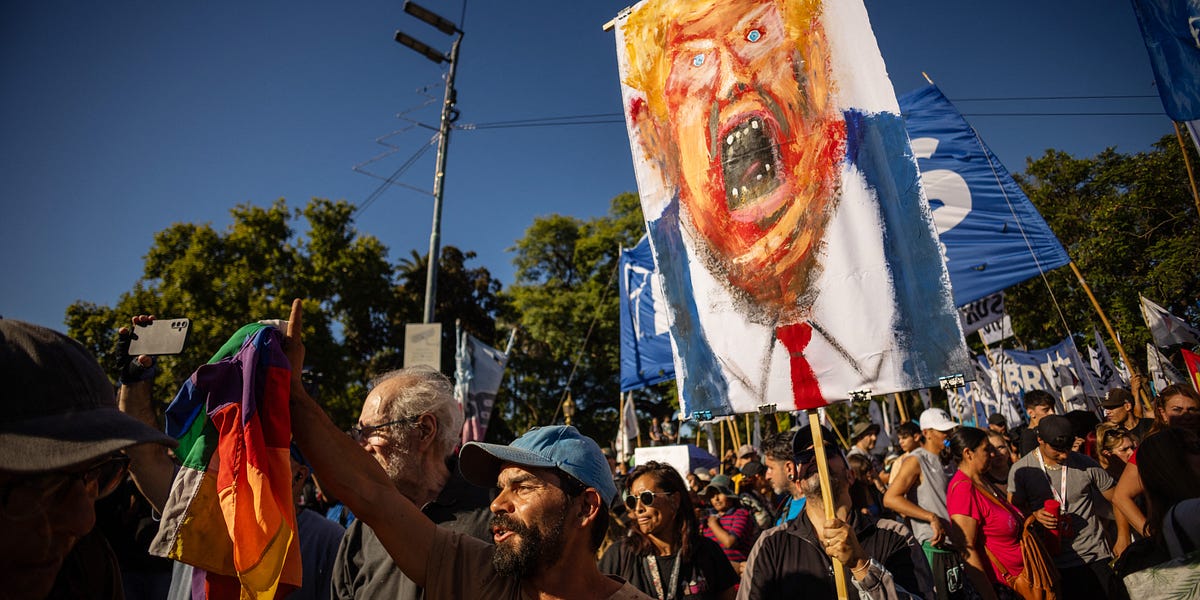
Anti-Trump protests have erupted across Latin America, with demonstrators in Buenos Aires and other major cities condemning what many are calling an illegal intervention into a sovereign nation’s affairs. The operation, which resulted in the arrest of Venezuelan President Nicolás Maduro and his wife on drug trafficking charges, represents one of the most direct American military interventions in the region in decades.
Despite months of telegraphing the move – including bombing boats allegedly carrying drugs, positioning an aircraft carrier in the region, and making repeated threats against Maduro – the administration failed to build significant public support for the operation. Recent polls show Americans deeply divided on the action, with a Washington Post survey finding 42 percent support versus 40 percent opposition when framed as an operation to capture Maduro. However, when the same respondents were asked about “the US taking control of Venezuela and choosing a new government,” opposition jumped to 45 percent with only 24 percent in favor.
The operation appears to have been driven by competing motivations among key administration figures. Secretary of State Marco Rubio reportedly views Venezuela as a stepping stone toward confronting Cuba’s government, while Stephen Miller, who may receive an “elevated role in overseeing post-Maduro operations,” has reportedly pushed for using Venezuela as a destination for deported immigrants from various countries. Secretary of Defense Pete Hegseth, a longtime advocate for military action, has similarly championed the intervention.
President Trump’s own statements have only muddied the waters regarding American objectives. In stark contrast to traditional justifications for military intervention, Trump has repeatedly emphasized economic motivations, telling reporters, “We’re going to be taking out a tremendous amount of wealth out of the ground.” This focus on Venezuelan oil reserves comes at a time when domestic oil production is at record highs and gasoline prices are relatively low, with the national average at $2.81 per gallon – undermining the economic urgency of such an operation.
The administration has also struggled to clearly define what comes next. Trump initially declared, “We’re going to run the country until such time as we can do a safe, proper and judicious transition” to a new regime. However, Maduro’s vice president has already been sworn in as interim president, leaving the government structure largely intact. When pressed on this contradiction, Rubio attempted to clarify that the US is “running the direction” through its “leverage,” a murky explanation that has done little to clarify American intentions.
Meanwhile, the administration is reportedly pressuring major oil companies to rebuild Venezuela’s deteriorating petroleum infrastructure, a project that could take years and may face resistance from energy companies that currently benefit from stable oil prices.
The operation marks a significant reversal for Trump, who had previously positioned himself as opposed to foreign military interventions. This shift has prompted a similar about-face from right-wing commentators and Fox News, which quickly pivoted from praising Trump’s supposed anti-interventionist stance to celebrating the Venezuela operation.
For American foreign policy, the Venezuela action sets a troubling precedent. The poor planning, contradictory messaging, and questionable legal basis have drawn criticism from international bodies and undermined America’s standing as a defender of democratic principles.
As the situation continues to evolve, Trump already appears to be shifting focus, reportedly revisiting his interest in acquiring Greenland. This pattern of jumping between foreign policy objectives without coherent strategy suggests the administration may lack both the focus and capability to manage the complex aftermath of its Venezuelan intervention.
What remains clear is that unlike previous military operations that initially garnered broad public support, the American public remains skeptical of this latest foreign adventure – a reality that may ultimately limit the administration’s ability to sustain a long-term presence in Venezuela.
Fact Checker
Verify the accuracy of this article using The Disinformation Commission analysis and real-time sources.

9 Comments
The administration’s communication around this operation has been all over the place. It’s crucial that they provide a clear, coherent rationale to the public and the international community. Otherwise, this could seriously damage US credibility and relationships in the region.
This is a complex and divisive issue. I’m curious to hear more about the administration’s specific policy objectives and how they justify this military intervention. Was the intelligence on drug trafficking credible?
It’s concerning to see such divisions over this operation, both internationally and domestically. Transparency and clear communication from the administration will be crucial going forward.
As an investor in mining and energy stocks, I’m keeping a close eye on how this situation unfolds. Instability in Venezuela could disrupt global supply chains and commodity prices. I hope the administration acts with caution to avoid unintended economic consequences.
The backlash from Latin American allies is worrying. Unilateral military action without broad support could seriously undermine US credibility in the region. I hope the administration can work to rebuild trust and diplomatic ties.
You raise a good point. The lack of public support, even among Americans, is a red flag. Any further escalation will require very careful planning and consideration of the potential consequences.
As someone who follows mining and energy issues, I’m intrigued by the potential geopolitical implications of this situation. Venezuela has significant natural resources – how might this operation impact global commodity markets and supply chains?
That’s an insightful observation. The stability of Venezuela’s energy and mining sectors is certainly a key factor to monitor going forward. Any disruptions could have ripple effects across multiple industries.
This seems like a high-risk, high-stakes gambit by the Trump administration. While I understand the desire to take action against the Maduro regime, the lack of clear objectives and international backing is concerning. I hope cooler heads prevail to avoid further escalation.