


Listen to the article
Trump Administration Under Fire for Labor Department Tweet Echoing Nazi-Era Propaganda
The U.S. Department of Labor found itself at the center of controversy this weekend after posting a message on social media that many critics claim bears a disturbing resemblance to Nazi propaganda slogans from the 1930s.
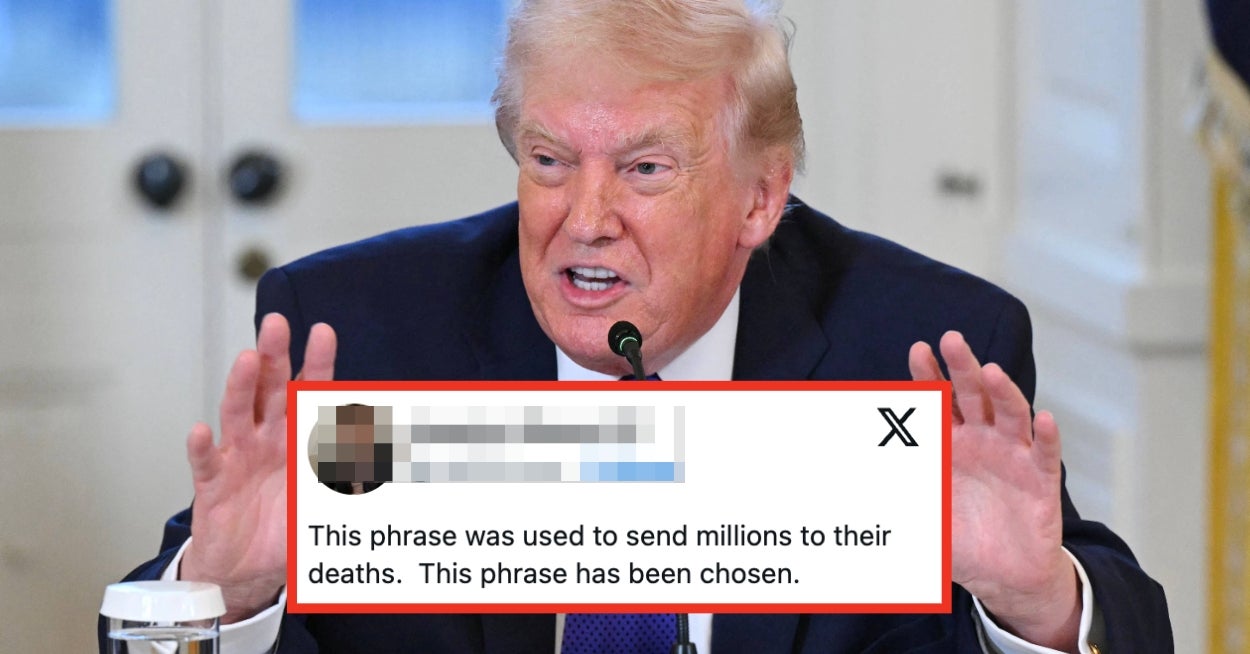
The department’s official social media account shared a post featuring historical images of America’s founding fathers and war scenes, accompanied by the text: “One Homeland. One People. One Heritage. Remember who you are, American.”
The message quickly went viral, attracting over 11.2 million views as social media users and historians noted the striking similarity to the infamous Nazi slogan “Ein Volk, ein Reich, ein Führer,” which translates to “One People, One Empire, One Leader.” This phrase was a cornerstone of Nazi propaganda during Hitler’s rise to power and throughout World War II.
The backlash has been swift and widespread, with critics from across the political spectrum expressing alarm at the parallels. Holocaust historians have pointed out that such nationalist rhetoric, emphasizing a singular identity and heritage, was instrumental in the Nazi regime’s effort to promote ethnic unity while excluding and ultimately persecuting those deemed outside the national community.
“The choice of words is deeply troubling given their historical context,” said Dr. Rachel Martin, professor of European history at Columbia University. “Whether intentional or not, government agencies should be acutely aware of how such nationalist phraseology echoes some of the darkest chapters of 20th century history.”
This isn’t the first time the Trump administration has faced criticism for communications that draw comparisons to authoritarian regimes. In 2018, the administration faced similar backlash when Immigration and Customs Enforcement used imagery that critics said resembled Nazi-era identification practices, and in 2019 when campaign merchandise featuring an eagle design drew comparisons to Nazi iconography.
White House officials have not yet responded to requests for comment on the Labor Department’s post, which remains visible on the department’s social media channels despite the growing controversy.
Civil liberties organizations have expressed concern about the normalization of such language in official government communications. The Anti-Defamation League issued a statement urging government agencies to “exercise extreme caution with messaging that could evoke painful historical parallels.”
Some supporters of the administration have dismissed the criticism as overblown, arguing that the phrase simply expresses patriotic sentiment. Conservative commentator William Hayes tweeted: “There’s nothing inherently wrong with celebrating national unity and heritage. The outrage machine is working overtime.”
However, political analysts note that in an increasingly polarized climate, such messaging takes on added significance. “Government communications don’t exist in a vacuum,” explained political scientist Jennifer Mercer. “They’re interpreted within our current context of rising nationalism and increasing concerns about democratic backsliding globally.”
The Labor Department has historically focused on workforce development, labor law enforcement, and economic data collection rather than nationalist messaging. Under the current administration, several departments have shifted their communication strategies to align more closely with the president’s “America First” agenda.
As the controversy continues to unfold, it raises broader questions about the responsibilities of government agencies in their public communications and the historical awareness expected of those crafting official messages on behalf of the United States government.
The Department of Labor had not issued any clarification or response to the controversy as of press time.
Fact Checker
Verify the accuracy of this article using The Disinformation Commission analysis and real-time sources.

10 Comments
As someone with an interest in history, I find this comparison to Nazi slogans quite alarming. Even if unintentional, this type of nationalist messaging can be a slippery slope. We must be extremely cautious about the use of such charged language by government agencies.
I share your concerns. It’s critical that we remain vigilant against any attempts, whether deliberate or not, to co-opt symbols and rhetoric associated with authoritarian regimes. Promoting unity is fine, but not at the expense of democratic values.
This is a troubling development. While the administration may have meant well, invoking Nazi-era slogans is deeply problematic and raises serious concerns. We must be ever-vigilant against the normalization of such divisive and exclusionary language, no matter the context.
I agree completely. Even if unintentional, the parallels to Hitler’s propaganda are extremely disturbing. It’s crucial that we learn from history and ensure our government institutions uphold the principles of pluralism and democracy, not totalitarian ideologies.
It’s important we understand the historical context and dangers of this kind of nationalist language, even if unintentional. Evoking ‘one people, one heritage’ can easily veer into exclusionary and authoritarian territory. We must be vigilant in defending democratic values.
Absolutely. While the administration may have intended a positive message, the parallels to Nazi propaganda are deeply concerning. We must learn from history and ensure our institutions uphold pluralism, not totalitarian ideals.
Hmm, this tweet does seem to echo some concerning Nazi propaganda language. While promoting national unity can be positive, the parallels to Hitler’s rhetoric are unsettling. We should be vigilant about potential misuse of such symbolism, no matter the intent.
I agree, the similarities are quite troubling. Any government messaging that evokes totalitarian ideologies should be scrutinized carefully. Promoting unity is good, but not at the expense of democratic principles.
As someone with an academic background in history, I find the similarities between this tweet and Nazi slogans to be very concerning. While promoting national unity is understandable, the language used evokes a troubling authoritarian ideology that we must be vigilant against.
Absolutely. Even if unintentional, this type of nationalist messaging is highly problematic and should be condemned. We must remain steadfast in defending democratic values and ensuring our institutions do not fall into the trap of divisive, exclusionary rhetoric.