


Listen to the article
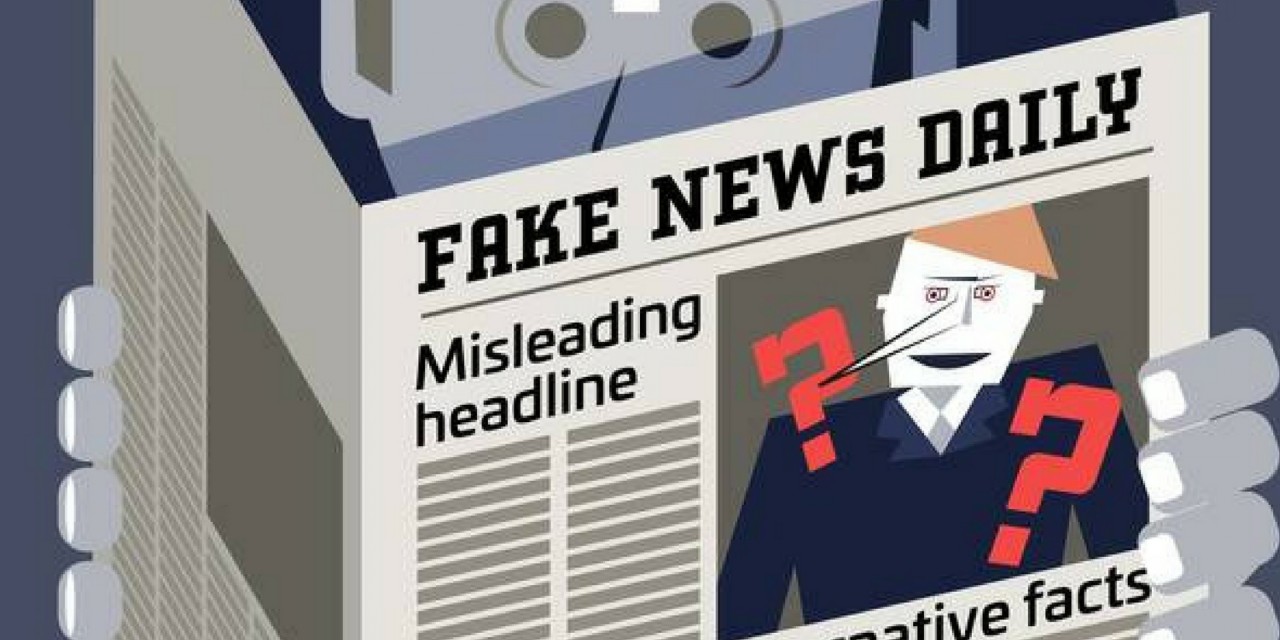
In a year marred by information challenges, 2026 looms with even greater threats to factual reporting and international norms, according to media analysts. The most dangerous adversary remains propaganda – a subtle force that manipulates public consciousness and shapes harmful behaviors without its victims realizing they’re being influenced.
The insidious nature of propaganda lies in its ability to affect those who don’t verify information, instead passively consuming news from traditional and digital media without critical analysis. This problem has intensified in recent months, as global events demonstrate how powerful nations can control narratives to justify controversial actions.
Media experts point to a troubling pattern where news is presented in deliberately misleading ways, highlighting only one perspective while obscuring others. This selective reporting often appears wrapped in humanitarian justifications, presented with reassuring tones that mask underlying motives. As 18th-century philosopher Voltaire observed, aggressors typically justify their actions under the pretext of justice.
This manipulation affects the entire political spectrum. Many news outlets have abandoned rigorous fact-checking, instead functioning as mere conduits for official narratives. The recent American military strike in Nigeria on Christmas Day exemplifies this problem, initially framed as an operation to protect Christians from Islamic terrorism. While some outlets eventually questioned this justification following Nigerian government protests, few addressed how the action violated international conventions.
The situation escalated further with the American attack on Venezuela, characterized by analysts as an even more serious breach of international law. While officially described as an operation against drug trafficking and dictatorship, former President Donald Trump’s comments revealed different motives when he declared: “We will take back our oil” – suggesting American ownership of Venezuela’s natural resources.
The contradictions in the official narrative became apparent when Trump posted an image of Venezuelan President Nicolás Maduro in handcuffs on his Truth Social account. While Maduro stands accused of organizing drug trafficking operations, critics note that Trump recently pardoned former Honduran President Juan Orlando Hernández, who had been sentenced to 45 years in prison for trafficking 400 tons of cocaine into the United States.
International law experts have questioned the legitimacy of these actions. While U.S. officials claim they acted with Nigerian authorities’ consent in the first case, legal scholars ask whether such permissions justify punishment without trial for alleged crimes not confirmed by independent judicial proceedings.
The trend represents a concerning shift away from foundational Western legal principles, including the presumption of innocence. Enlightenment thinkers like Cesare Beccaria and Pietro Verri, who established modern concepts of justice, would likely be alarmed by actions that bypass due process while claiming to defend Western values.
The incidents in Nigeria, the attacks on oil tankers off Venezuela’s coast, and now Maduro’s reported detention reflect a disturbing pattern. Public opinion appears increasingly swayed by propaganda that portrays entire populations as threats – everyone in Gaza labeled a terrorist, all residents in Nigeria’s bombed Sokoto state categorized as Islamists, and Venezuelan citizens broadly characterized as drug traffickers.
For media analysts and international observers, the central concern remains whether public opinion is being deliberately conditioned to accept the abandonment of long-established legal and ethical principles in favor of resource control and geopolitical dominance – a troubling narrative that threatens to define 2026 as propaganda continues to eclipse factual reporting.
Fact Checker
Verify the accuracy of this article using The Disinformation Commission analysis and real-time sources.

8 Comments
Propaganda’s ability to distort public perception is deeply concerning. We must demand transparency and accountability from all media outlets, ensuring they uphold journalistic integrity and present a diversity of viewpoints. Critical thinking is our best defense against manipulation.
Well said. Maintaining a vigilant, discerning public is key to safeguarding against the corrosive effects of propaganda. Rigorous fact-checking and media literacy education are vital tools in this fight.
Propaganda can take many insidious forms, often cloaked in humanitarian rhetoric. Vigilance and critical thinking are our best defenses against being manipulated. Holding all news sources, regardless of political leanings, to rigorous fact-checking standards is essential.
The insidious nature of propaganda, cloaked in humanitarian rhetoric, is a grave threat to informed decision-making. We must strengthen our collective resolve to identify and counter such manipulative tactics, upholding the principles of truth and transparency.
This is a sobering reminder of the dangers of unchecked propaganda. We must be wary of selective reporting that obscures uncomfortable truths and prioritizes ideology over facts. Cultivating media literacy is crucial to inoculating the public against such tactics.
This is a worrying trend that erodes public trust and enables authoritarian control of narratives. We need robust journalistic standards and media literacy education to empower citizens to navigate the information landscape with discernment.
I agree, the ability to discern truth from fiction is vital in an era of heightened disinformation. Objective, evidence-based reporting is the bedrock of a healthy democracy.
Concerning developments in the manipulation of information for political ends. We must remain vigilant against propaganda campaigns that distort facts to serve narrow interests. Fact-checking and critical analysis of news sources is crucial to upholding truth and transparency.