


Listen to the article
Legal Battle Intensifies Over “Kerala Story 2” Amid Portrayal Concerns
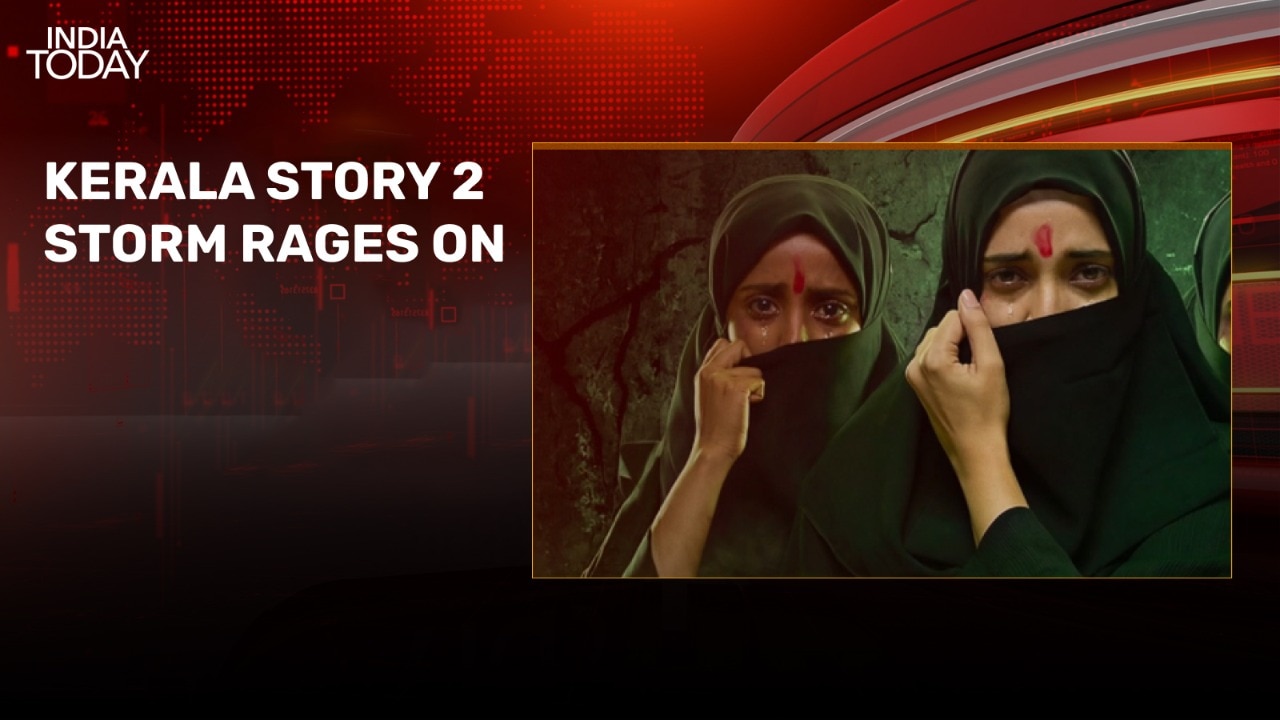
The upcoming release of “Kerala Story 2” has become embroiled in legal controversy after the Kerala High Court ordered a mandatory pre-screening following petitions that challenge the film’s depiction of Kerala and its people.
Petitioners approached the court arguing that the movie’s promotional materials, including its teaser and trailer, present a distorted and potentially harmful portrayal of Kerala’s population. The court, taking these concerns seriously, noted that any cinematic content with the potential to ignite communal tensions requires thorough scrutiny before public release.
Initially, the production team appeared cooperative, agreeing to remove the contested promotional materials from circulation and arrange a special screening for the court. However, in a significant shift, they have now challenged the legal basis of the case itself, questioning whether the petition has sufficient grounds to proceed.
This legal development comes amid growing tension surrounding the film’s content. At a recent pre-release promotional event, the filmmakers presented several individuals they identified as “survivors” of forced religious conversions. Among them was Tara Shahadio, described as a national-level shooter from Ranchi, who shared her personal account of alleged conversion attempts.
The original “Kerala Story,” released in 2023, generated substantial controversy across India for its portrayal of women from Kerala being recruited by the Islamic State terrorist organization. Critics accused the film of promoting religious stereotypes and divisive narratives, while supporters defended it as exposing real concerns about radicalization.
The sequel now finds itself at the center of similar debates about the line between artistic expression and responsible filmmaking. The controversy highlights the ongoing tension in India’s entertainment industry regarding content that touches on sensitive religious and regional issues.
Media analysts note that films dealing with communal themes have increasingly become flashpoints in India’s polarized political landscape. Box office success often follows such controversies, with the original “Kerala Story” having grossed over ₹200 crore despite—or perhaps because of—the heated public discourse surrounding it.
The Kerala film industry, known for its progressive and socially nuanced cinema, has largely distanced itself from both films. Several prominent Malayalam directors and actors have expressed concern about outside productions potentially misrepresenting Kerala’s social fabric for commercial or political gain.
Legal experts point out that the case raises important questions about pre-censorship and freedom of expression in India. While the Constitution protects creative freedom, courts have previously intervened when content threatens public order or promotes communal disharmony.
The Kerala High Court’s decision to order a pre-screening represents a middle ground approach—not blocking the film outright but ensuring judicial oversight before its public release. Similar procedures have been followed for other controversial films in recent years.
For the filmmakers, the legal challenge presents both a hurdle and potentially valuable publicity. Film trade analysts suggest that controversy often drives audience interest, particularly for movies tackling politically charged themes.
As the case proceeds, the fundamental question remains whether “Kerala Story 2” presents a factual narrative about religious conversion concerns or whether it amplifies divisive stereotypes. The court’s eventual decision will likely influence not only this film’s release but also set precedents for how similar content is evaluated in the future.
The controversy unfolds against the backdrop of India’s broader debates about religious coexistence, media responsibility, and the power of cinema to shape public perception—issues that continue to resonate deeply in the country’s cultural and political discourse.
Fact Checker
Verify the accuracy of this article using The Disinformation Commission analysis and real-time sources.

21 Comments
Presenting ‘survivors’ at a promotional event raises further questions about the film’s approach. Sensationalizing sensitive issues can be counterproductive and may exacerbate social divisions.
I share your skepticism. The filmmakers should tread carefully to ensure their portrayal is grounded in facts rather than unverified claims that could stoke controversy.
The court’s intervention highlights the need for thorough scrutiny of films that touch on sensitive social and political issues. Maintaining public trust requires filmmakers to engage transparently with the community.
Agreed. A collaborative approach between filmmakers, authorities, and affected communities is essential to ensure the film’s content is factual and fair-minded.
The filmmakers’ decision to challenge the legal basis of the case is concerning. Transparent and open dialogue with the community affected is essential to address any valid concerns about the film’s portrayal.
Precisely. Dismissing the petitioners’ concerns outright undermines the opportunity for constructive feedback to improve the film’s representation of Kerala and its people.
This case highlights the delicate balance between artistic expression and social responsibility. Filmmakers must be mindful of the potential impact of their work and engage in good faith with affected communities.
The court’s order for a pre-screening is a prudent measure to ensure the film’s content does not cross ethical boundaries. Responsible filmmaking is crucial when dealing with sensitive social issues.
The court’s intervention highlights the need for thorough scrutiny of films that touch on sensitive social and political issues. Maintaining public trust requires filmmakers to engage transparently with the community.
I agree. A collaborative approach between filmmakers, authorities, and affected communities is essential to ensure the film’s content is factual and fair-minded.
This legal battle is a complex issue without easy answers. Navigating the line between creative freedom and social responsibility requires wisdom and empathy from all stakeholders.
The legal battle over ‘Kerala Story 2’ is a complex issue without easy answers. Navigating the line between artistic freedom and social responsibility requires wisdom and empathy from all stakeholders.
The filmmakers’ decision to challenge the legal basis raises questions about their willingness to engage constructively with the community. Dismissing concerns outright is unlikely to resolve the issue.
I agree. A more collaborative approach, where filmmakers actively listen to and address valid concerns, would be a more constructive path forward.
This debate underscores the importance of striking the right balance between artistic expression and social responsibility. Thoughtful, nuanced storytelling is key to avoiding unintended harm.
This legal battle over ‘Kerala Story 2’ highlights the delicate balance between artistic freedom and responsible storytelling. Portrayal of sensitive issues requires nuance to avoid fueling communal tensions.
I agree, the court’s order for a pre-screening is prudent to ensure the film’s content does not cross ethical lines. Responsible filmmaking is crucial when dealing with complex social dynamics.
This case demonstrates the ongoing challenges in balancing creative expression with the need to avoid stoking communal tensions. Filmmakers must be mindful of their social impact and engage in good faith.
Absolutely. Transparency and open dialogue are essential to finding a constructive resolution that respects both artistic vision and community concerns.
The presentation of ‘survivors’ at a promotional event raises questions about the film’s approach. Sensationalizing sensitive issues can undermine efforts to foster genuine understanding and social harmony.
Absolutely. Responsible filmmaking requires a nuanced approach that prioritizes factual accuracy and empathy over attention-grabbing tactics.