


Listen to the article
The Dark Legacy of Witch Hunts: How Media Perpetuates Historical Myths
Let’s start with a trick question: how many witches were killed during the Salem trials and Spanish Inquisition combined? The answer is zero. While thousands were tortured, imprisoned, and executed, these victims shared one crucial trait—they were innocent. None worshipped the devil or sold their souls for power. Though both men and women suffered, women faced uniquely disproportionate targeting throughout history.
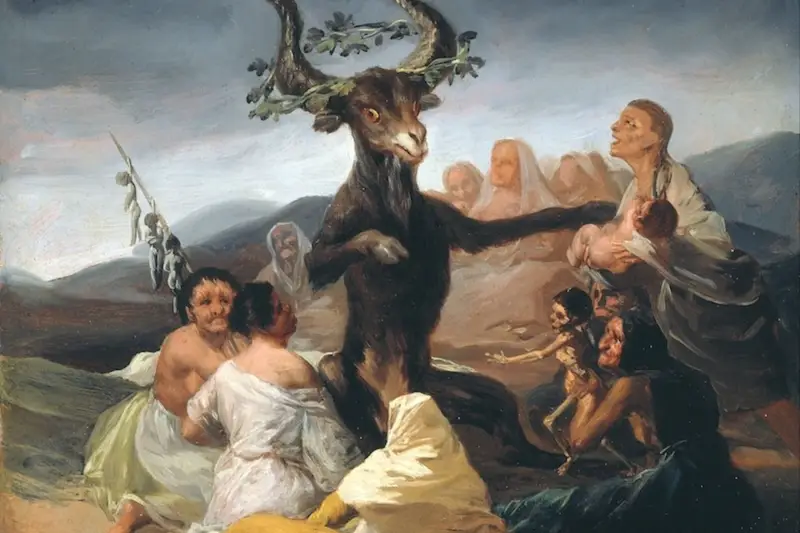
This popular conception of witches represents a dangerous historical falsehood that continues to proliferate in contemporary culture. Even media attempting to reclaim the power of persecuted practitioners often relies on the same iconography created by their persecutors—a problematic cycle that perpetuates misunderstanding.
The European witch trials and the American Satanic Panic of the 1980s represent two distinct yet eerily similar waves of persecution against innocent people, both fueled by societal fears and opportunistic authorities.
European and Early American Witch Hunts
Christianity’s rise brought systematic persecution of anything deemed “other.” Various folk practices and indigenous religions were collectively dismissed as “pagan” and targeted for elimination. The infamous “Malleus Maleficarum” (Hammer of Witches) served as a manual for witch-hunting, written by a man known for his cruelty. The first Witchfinder General was described by contemporaries as a violent opportunist who sowed chaos wherever he traveled.
Films like “Hocus Pocus” draw from this history but often use all the wrong sources. In contrast, “Witchfinder General” starring Vincent Price offers a grimmer but more honest depiction, portraying witch hunters as opportunistic predators exploiting civil unrest to terrorize and extort vulnerable communities.
Robert Eggers’ “The VVitch” stands out for its nuanced examination of the witch narrative itself. It shows how desperate circumstances could drive powerless women to reject a society that had already rejected them. Rather than presenting witchcraft as empowerment, it portrays it as a cursed choice between different forms of enslavement—a provocative commentary on how societies create their own monsters.
Terry Pratchett’s Discworld novels attempt to reclaim the witch archetype, portraying characters like Granny Weatherwax as intelligent, independent women serving as midwives, herbalists, and community protectors. While these characters honor the forgotten women who kept communities functioning, the fantasy setting removes them from the real historical context of Christian persecution.
Arthur Miller’s “The Crucible” takes a more direct approach, using the Salem witch trials as a metaphor for the McCarthy-era anti-communist hearings. It illustrates how opportunistic manipulators can exploit public fears, creating a cycle of accusation and violence that consumes entire communities.
The Satanic Panic
The 1980s Satanic Panic mirrored earlier witch hunts with modern trappings. Widespread allegations about underground networks of daycare workers initiating children into satanic rituals were later proven entirely fabricated. Children were coerced into giving false testimony and disbelieved when they recanted.
The same patterns of persecution emerged, though with different authorities at the helm. Inquisitors were replaced by overzealous prosecutors and therapists using discredited “recovered memory” techniques. Films like “Rosemary’s Baby” and “The Omen” preceded the panic but contributed to it by portraying Satanism as a sophisticated conspiracy hidden within normal society.
More recent films like Ti West’s “Maxxxine” capture the aesthetic of the era but stop short of meaningful critique. “We Summon the Darkness” attempts satire by pitting metalhead teenagers against murderous evangelicals but remains too superficial to deliver substantive commentary.
Anna Biller’s “The Love Witch” provides a more effective corrective, understanding that these moral panics were more about controlling women’s autonomy than any genuine spiritual concerns. Its technicolor visuals and deliberate absurdity effectively satirize the period’s paranoid visual language, though its effectiveness depends on viewers recognizing its satirical intent.
George Romero’s “Season of the Witch” predates the panic but effectively lampoons the concept of suburban satanists, portraying would-be practitioners as petty, ineffectual, and mundane—suggesting that if such people existed, they would self-destruct before causing genuine harm.
The Living Weapon of False Accusations
The witch as a cultural concept represents a refined weapon deployed against the innocent whenever society requires scapegoats. From medieval witch-finders to 1980s “recovered memory” therapists, the same tactics recur throughout history, creating chaos and destroying lives.
The most effective films on this subject understand that the true horror lies not in supernatural forces but in humanity’s mundane weaknesses—our susceptibility to manipulation, our willingness to believe the worst about others, and our tendency to sacrifice the vulnerable to protect established power structures.
While many popular depictions continue to tell the wrong stories, perpetuating dangerous myths, others offer more honest examinations of this dark historical legacy—reminding us that the greatest evils are not conjured through occult rituals but through ordinary human cruelty and the exploitation of fear.
Fact Checker
Verify the accuracy of this article using The Disinformation Commission analysis and real-time sources.

12 Comments
It’s unsettling to realize that the popular conception of witches is largely rooted in propaganda and misinformation, rather than factual accounts. This article does an excellent job of unpacking that troubling history and its ongoing impact.
This article provides a thought-provoking look at the dark legacy of witch hunts and how those tropes continue to shape modern perceptions. The insights into the role of media and authorities in perpetuating these harmful myths are particularly compelling.
Agreed, the connections drawn between historical witch hunts and more recent moral panics like the Satanic Panic are quite striking. Understanding these patterns is key to preventing the recurrence of such dangerous scapegoating in the future.
This is a sobering look at the dark history of witch hunts and persecution. It’s important to understand how these myths and propaganda were used to target innocent people, especially women. Thoughtful analysis like this helps shed light on these troubling historical patterns.
Agreed, it’s a complex and nuanced topic that deserves careful examination. Separating fact from fiction is crucial to avoid perpetuating harmful stereotypes and misunderstandings.
Fascinating read on the enduring power of historical myths and misconceptions. I appreciate the nuanced exploration of how these narratives were constructed and spread, often to target marginalized groups. Unpacking these layers is crucial for combating ongoing misinformation.
A thought-provoking and sobering look at the dark legacy of witch hunts and the role of propaganda in perpetuating harmful myths. This analysis highlights the importance of critically examining historical narratives and media representations to combat ongoing misinformation.
This is an important reminder of how dangerous propaganda and scapegoating can be, even centuries later. Witch hunts are a sobering example of how fear and prejudice can lead to the persecution of innocent people. Thoughtful analysis like this helps us learn from the past.
The article raises some fascinating points about how media representations of witchcraft have evolved over time. I’m curious to learn more about how these tropes and images were originally crafted by those in power to demonize certain groups.
That’s a great question. Digging into the historical origins and propagation of those stereotypes would provide valuable context. Understanding the motives and mechanisms behind such misinformation campaigns is key to preventing their recurrence.
This is a powerful exploration of how false narratives and stereotypes can become entrenched, even in the face of contradictory evidence. The article’s insights into the targeting of women and marginalized groups are particularly compelling.
Absolutely, the gendered nature of these witch hunts is a crucial aspect to understand. Examining how misogyny and power structures intersected to enable such widespread persecution is vital for recognizing and addressing similar dynamics today.