


Listen to the article
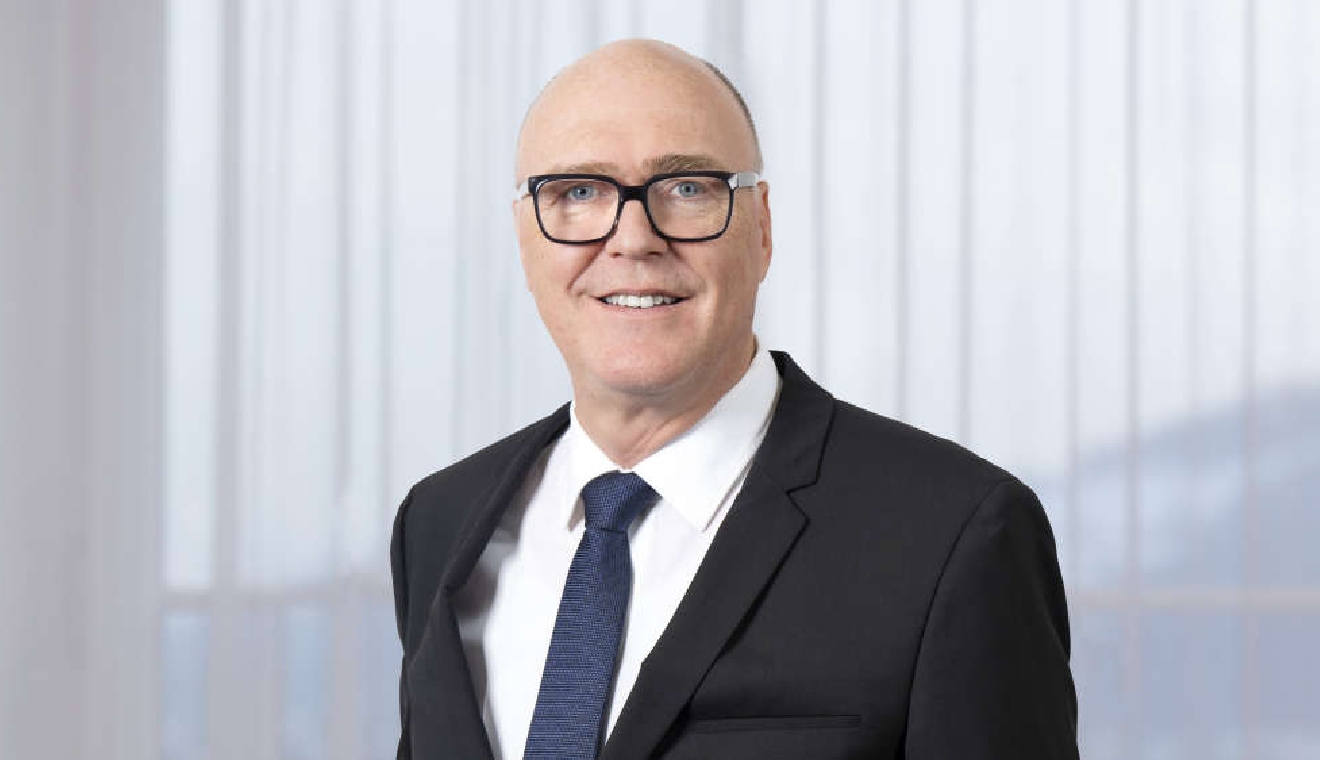
Switzerland has issued a stark warning about Russia’s intensifying campaign of disinformation targeting the Alpine nation, with Defence Minister Martin Pfister revealing the scope and tactics of what officials describe as a coordinated effort to undermine Swiss institutions.
In a detailed assessment of the threat, Pfister outlined how Russian actors are deploying “conspiracy narratives” specifically designed to erode public confidence in Switzerland’s longstanding neutrality, democratic processes, and national security framework.
“What we’re witnessing is not random or isolated activity,” Pfister said. “These are systematic efforts to destabilize our society and create doubt about our institutions.”
The defence minister highlighted the sheer volume of content directed at Switzerland, noting that Russian state media outlets Russia Today and Pravda publish approximately 900 articles monthly focused on Swiss affairs. This represents a significant allocation of resources toward a country of just 8.7 million people.
Social media has become a primary battleground, according to Swiss intelligence assessments. Pfister described how coordinated campaigns utilize networks of accounts to amplify misleading narratives. One recent example involved footage shot in Geneva that was subsequently shared across multiple pro-Russian accounts with false context suggesting Switzerland was descending into chaos.
“The tactics are sophisticated,” explained Pfister. “They take genuine imagery or events and reframe them in ways that portray Switzerland as unstable or compromised.”
The Swiss government’s public acknowledgment of these activities marks a significant development in how European democracies are responding to information warfare. Switzerland, with its tradition of neutrality and role as host to numerous international organizations, represents a strategic target for disinformation efforts.
Security analysts note that Switzerland’s banking sector, diplomatic position, and status as a hub for international negotiations make it particularly valuable in information warfare. By undermining Swiss credibility, Russia potentially weakens a key facilitator of international dialogue.
The timing of Pfister’s warning coincides with growing tensions across Europe over Russian influence operations. Several European countries have recently strengthened their defenses against foreign information manipulation, with the European Union establishing specialized units to detect and counter disinformation.
Pfister emphasized that Switzerland’s response must extend beyond traditional security measures. “A strong and independent media is now a key part of Switzerland’s national security,” he stated, highlighting the critical role journalism plays in verifying information and providing factual context.
Media resilience has become increasingly central to national security strategies across democracies facing similar challenges. The Swiss approach appears to focus on strengthening media literacy among citizens while supporting independent journalism rather than pursuing aggressive content removal policies.
The Russian Embassy in Bern has not responded to requests for comment on Pfister’s allegations. Previously, Russian officials have consistently denied involvement in disinformation campaigns, characterizing such claims as attempts to silence legitimate alternative viewpoints.
Switzerland’s diplomatic approach to the issue remains delicate. While calling out the disinformation campaign, Swiss officials must balance their response against the country’s traditional neutrality and its role in facilitating dialogue between Russia and Western nations on various international matters.
Experts in information security suggest that Russia’s interest in Switzerland may also relate to upcoming policy decisions regarding technology infrastructure, international banking regulations, and Switzerland’s relationship with the European Union – all areas where Russian strategic interests could be affected.
As digital platforms continue evolving, the challenge for Switzerland and other democratic nations lies in developing effective countermeasures that preserve open discourse while protecting citizens from manipulation. Pfister’s warning signals that even traditionally neutral countries now recognize information warfare as a significant threat requiring comprehensive national responses.
Fact Checker
Verify the accuracy of this article using The Disinformation Commission analysis and real-time sources.

10 Comments
It’s concerning to see Russia directing so much focus and resources towards a relatively small country like Switzerland. This speaks to the geopolitical importance they place on maintaining influence over neutral states in Europe.
I’m curious to learn more about the specific tactics Russia is using to target Switzerland. What kinds of conspiracy theories and narratives are they pushing, and how successful have these efforts been so far in shaping public opinion?
Russia’s propaganda machine seems to be in overdrive when it comes to targeting smaller countries like Switzerland. The sheer volume of content is alarming and demonstrates the scale of their efforts to sow discord and erode trust in democratic processes.
You’re right, the scale of the Russian disinformation campaign is staggering. Switzerland will need to devote significant resources to identifying and debunking these false narratives before they gain traction.
This is concerning news. It’s crucial for Switzerland to remain vigilant against foreign disinformation campaigns that aim to undermine its democratic institutions and neutrality. Fact-checking and public awareness efforts will be key to countering these threats.
Switzerland’s longstanding neutrality is a key part of its national identity. Any attempts by Russia to undermine that could have serious consequences for the country’s security and international standing. Vigilance is absolutely critical.
While I’m not surprised to see Russia trying to meddle in Switzerland’s affairs, the specifics outlined here are quite alarming. The Swiss government will need to be extremely proactive and strategic in its response.
The scale of Russian disinformation efforts targeting Switzerland is staggering. Kudos to the Swiss government for taking this threat seriously and working to educate the public and counter these malign narratives.
Agreed. Maintaining public trust in democratic institutions will be critical as Switzerland battles this onslaught of foreign propaganda. Transparency and fact-based communication will be key weapons in this fight.
Systematic efforts by Russia to undermine Swiss neutrality and democratic processes are deeply concerning. Switzerland must remain vigilant and take all necessary steps to protect its institutions and societal cohesion.