


Listen to the article
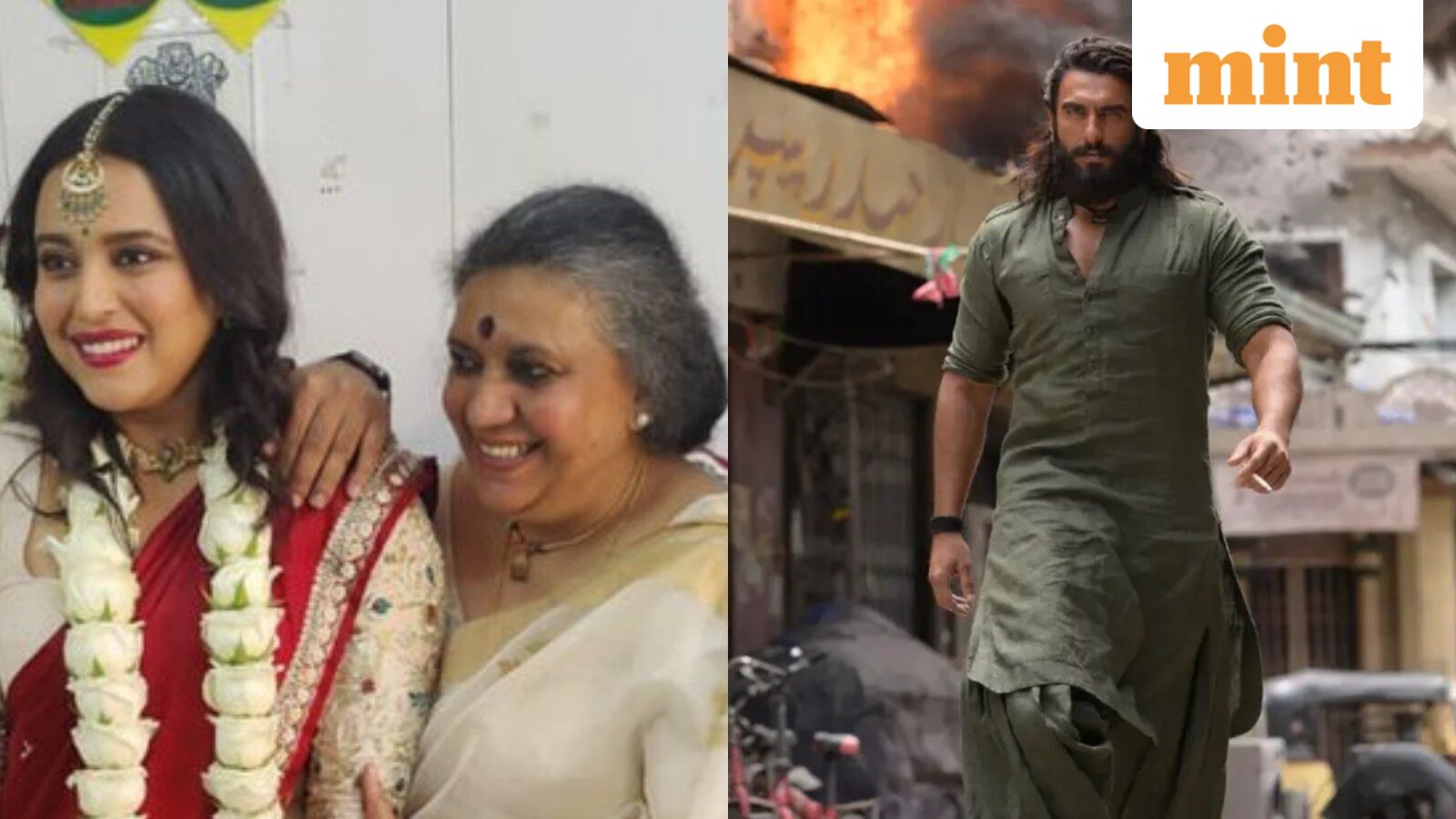
Film scholar Ira Bhaskar, mother of actress Swara Bhasker, has sparked fresh debate over the blockbuster film “Dhurandhar” by calling it propaganda that negatively portrays Muslim people. Her comments come despite the film’s enormous commercial success, having grossed over ₹1,000 crore worldwide since its release last year.
Speaking on an episode of YouTube series “Karwan e Mohabbat,” Bhaskar discussed the evolution of storytelling in Indian cinema, using “Dhurandhar” as an example of technically proficient filmmaking that nevertheless serves a problematic agenda.
“There are filmmakers, for instance, let me give the example of ‘Dhurandhar,’ which is earning crores at the box office,” said Bhaskar. “This is an example of a film made by a filmmaker who is ideologically convinced by Hindutva and the ideology of Hindutva. A competent filmmaker and a very well-made film. But how is technique to be divorced from content?”
Bhaskar went on to criticize the film’s violent content and its portrayal of Muslims, arguing that it promotes harmful stereotypes. “It’s extremely violent. And its violence is at the service of a belief structure of an ideology that Muslims are very violent people. Pakistan is a very violent nation. You don’t see any normal Muslim person there. Everyone is a terrorist or a gangster,” she stated.
She further questioned the film’s selective approach to historical events, suggesting it cherry-picks information to support its ideological stance. “It’s a fiction film based on true events, supposedly. And it is selective as all these films are. It’ll only selectively choose what to put together in order to serve the ideology,” Bhaskar explained.
“Dhurandhar” is the first installment of a planned two-part film series written and directed by Aditya Dhar. The film stars Ranveer Singh in the lead role, alongside prominent actors including Akshaye Khanna, Sanjay Dutt, Arjun Rampal, and R. Madhavan.
The narrative draws inspiration from several real-life geopolitical events and conflicts that have shaped India-Pakistan relations, including the 1999 IC-814 hijacking, the 2001 Indian Parliament attack, and the 2008 Mumbai attacks. The plot centers on an undercover Indian intelligence agent who infiltrates Karachi’s criminal networks to dismantle terror cells targeting India.
The critical reception of “Dhurandhar” has been notably polarized, with commercial success standing in contrast to concerns about its political messaging. The film’s portrayal of complex geopolitical issues has become part of a broader conversation about representation and responsibility in mainstream Indian cinema.
The success of “Dhurandhar” has paved the way for its sequel, “Dhurandhar: The Revenge,” scheduled for release on March 19. Unlike its predecessor, the sequel will have a pan-India release in five languages: Hindi, Telugu, Tamil, Kannada, and Malayalam—a strategy that reflects the producers’ confidence in the franchise’s nationwide appeal.
Produced by Jyoti Deshpande, Aditya Dhar, and Lokesh Dhar under Jio Studios and B62 Studios, the sequel is generating significant anticipation. Advance booking for the film has already begun, with early shows scheduled to start as early as 6:15 am in theaters, and special paid preview screenings planned across selected locations.
Bhaskar’s critique adds to a growing discourse about the responsibilities of filmmakers when tackling sensitive political and religious themes, particularly in a country as diverse as India. Her comments highlight the tension between commercial cinema’s entertainment value and its potential influence on public perception of complex social and geopolitical issues.
Fact Checker
Verify the accuracy of this article using The Disinformation Commission analysis and real-time sources.

8 Comments
Interesting perspective from Swara Bhasker’s mother. It’s important to critically examine the content and messaging in popular films, even successful ones. Portrayal of minorities and political ideologies can have real-world impact.
I agree, nuanced discussions around the ethics and implications of media content are valuable. Filmmakers wield significant influence and should be mindful of the narratives they propagate.
The debate around ‘Dhurandhar’ highlights the complexities of artistic expression versus societal impact. While technical filmmaking may be strong, the responsible handling of sensitive subject matter is crucial.
I agree, the balance between artistic license and social responsibility is an ongoing discussion in the film industry. Constructive critique can help drive more thoughtful, inclusive storytelling.
Swara Bhasker’s mother raises some valid concerns about the potential for ‘Dhurandhar’ to reinforce harmful stereotypes, despite its commercial success. Unpacking the nuances of such films is important.
Analyzing the deeper messaging and implications of popular media is crucial, even for well-crafted works. A critical eye helps ensure artistic expression doesn’t inadvertently promote problematic narratives.
Calling a film ‘extremely violent’ and accusing it of promoting harmful stereotypes is a serious charge. I’d be curious to hear more details on the specific concerns around the portrayal of Muslims and Pakistan in ‘Dhurandhar’.
Objective analysis of a film’s themes and messages, even popular or commercially successful ones, is important. Maintaining a critical eye helps ensure media does not reinforce problematic biases or narratives.