


Listen to the article
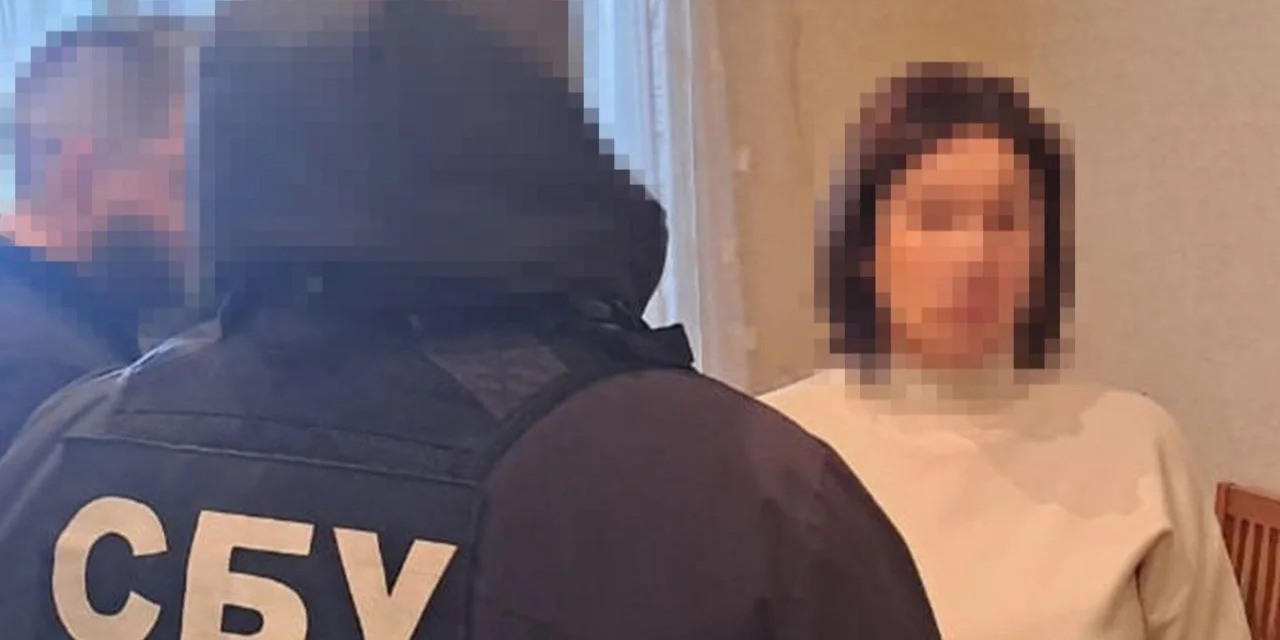
Ukrainian authorities have detained a 64-year-old woman in Kyiv accused of collaborating with Russian occupation forces in Donetsk Oblast, according to a statement released by Ukraine’s Security Service (SBU) on January 1.
The suspect, a resident of Makiivka, allegedly began working with Russian occupiers in 2014, accepting an appointment to head a local kindergarten at their request. The SBU reports that in this position, she actively implemented Russian “educational standards” in the facility, which included conducting propaganda sessions during parent meetings and encouraging families to cooperate with occupation authorities.
“She distributed propaganda literature and pro-Kremlin campaign materials at the kindergarten,” the SBU statement detailed, suggesting a systematic effort to influence young children and their families in support of Russian occupation policies.
The arrest occurred when the woman arrived in Kyiv to apply for an international passport, reportedly in preparation for travel to European Union countries. This attempt to leave Ukrainian territory provided security officials with an opportunity to apprehend her after what appears to have been a lengthy investigation into her activities.
Authorities have formally charged the suspect under Part 3 of Article 111-1 of Ukraine’s Criminal Code, which specifically addresses collaboration activities that include propaganda in educational institutions aimed at supporting armed aggression against Ukraine. If convicted, she faces a potential prison sentence, though the specific length was not mentioned in the SBU’s announcement.
The case highlights Ukraine’s ongoing efforts to address collaboration within territories that have experienced Russian occupation since 2014, particularly in the Donetsk and Luhansk regions. The education sector has been a particular focus of Russian influence operations in occupied territories, with Moscow systematically replacing Ukrainian curriculum with Russian educational materials and requiring educators to adapt to Russian teaching standards or face dismissal.
Security analysts note that Russia’s strategy in occupied territories often begins with installing sympathetic figures in educational and administrative positions to normalize occupation and shape younger generations’ perspectives. This approach creates long-term social and cultural challenges for Ukraine beyond the immediate military conflict.
Since the full-scale invasion began in February 2022, Ukrainian authorities have intensified efforts to identify and prosecute individuals who collaborated with Russian occupation administrations. These cases often involve citizens who accepted administrative positions, provided information to Russian forces, or participated in propaganda efforts supporting the occupation.
The investigation into this case remains ongoing as authorities work to establish all circumstances surrounding the alleged collaboration. The SBU did not release the suspect’s name or provide information about her legal representation.
The case underscores the complex social dynamics in Ukraine’s eastern regions, where some residents have cooperated with Russian occupation forces while others have resisted, often at great personal risk. It also demonstrates the Ukrainian government’s determination to hold accountable those accused of supporting Russia’s territorial ambitions, regardless of how much time has passed since the alleged offenses began.
Fact Checker
Verify the accuracy of this article using The Disinformation Commission analysis and real-time sources.

7 Comments
Interesting to see the SBU detaining this suspect as they try to leave the country. It suggests they may have been building a case for some time. Curious to see if any additional details emerge about the scale and impact of this person’s alleged activities.
The details around this case highlight the complex dynamics of occupation and collaboration. While the alleged actions are concerning, I’m curious to learn more about the full context and motivations behind this individual’s decisions.
That’s a fair point. The motivations and pressures faced by those living under occupation are not always straightforward. A nuanced understanding is important, even as collaborators face consequences.
This case underscores the insidious nature of Russia’s occupation tactics, targeting vulnerable groups like children to advance their agenda. I’m glad Ukrainian authorities are vigilant in identifying and apprehending those who aid the occupation.
This alleged collaborator seems to have played a concerning role in spreading Russian propaganda among children and families in occupied areas. It’s good that Ukrainian authorities are investigating and detaining those suspected of aiding the occupation forces.
Agreed, this type of indoctrination of children is very troubling. Holding collaborators accountable is important to counter the Kremlin’s efforts to legitimize the occupation.
The report indicates a systematic effort to indoctrinate young children with pro-Russian propaganda. This is a deeply troubling abuse of power and position of trust. Holding collaborators accountable is crucial for Ukraine’s long-term resilience.