


Listen to the article
Russian Propaganda Campaign Aims to Create False Narrative About Zaporizhzhia Capture
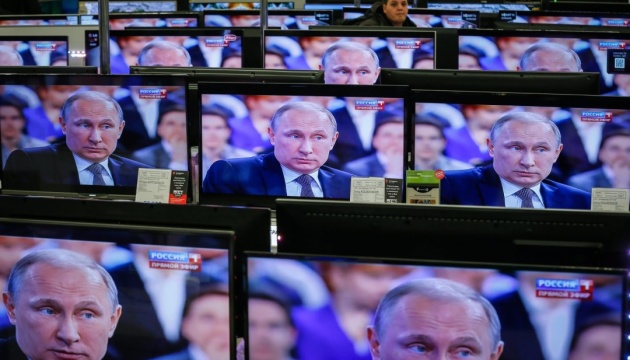
Russian propaganda outlets have launched a coordinated cognitive operation regarding fighting in Ukraine’s Zaporizhzhia region, deliberately crafting a misleading narrative suggesting the imminent capture of the city, according to Ukrainian security officials.
The Center for Countering Disinformation at Ukraine’s National Security and Defense Council revealed this operation in a recent Telegram statement, explaining that Russian media channels are exploiting current combat operations to manufacture a false impression that Zaporizhzhia city could fall quickly to Russian forces.
“This is impossible in reality,” the statement emphasized, pointing out that the propaganda effort targets Western audiences primarily, aiming to shape international perception of Russia’s military capabilities and momentum on the battlefield.
Andrii Kovalenko, Head of the Center and an officer in Ukraine’s Defense Forces, explained that Russian President Vladimir Putin is attempting to project an image of Russian forces breaking through Ukrainian defensive lines with the supposed capability of seizing the regional center in the near future.
“In reality, Russia is using only the informational component of the fighting,” Kovalenko stated. He highlighted the geographical realities that make such a Russian advance highly improbable, noting that the current combat zone is situated in marshy terrain with natural water barriers that would significantly impede any mechanized assault toward Zaporizhzhia city.
Ukrainian defense officials report their forces are “eliminating the Russians every day” in the contested areas, maintaining defensive positions that prevent any meaningful territorial gains by Russian forces in the direction of the regional capital.
Military analysts have long noted that the Zaporizhzhia region represents a challenging battlespace for offensive operations due to its topography. The presence of rivers, wetlands, and prepared defensive positions has historically complicated military movements in the area, factors that Russian propagandists appear to be deliberately overlooking in their messaging.
The Center for Countering Disinformation characterized these Russian information operations as having multiple strategic objectives: raising the stakes in international negotiations, undermining ongoing peace initiatives, and signaling Russia’s unwillingness to seek a negotiated end to the conflict.
The propaganda push comes amid continued Russian military action against civilian targets in Zaporizhzhia. On the morning of December 30, Russian forces launched an attack on the city using three guided aerial bombs, causing significant infrastructure damage, according to local authorities.
Zaporizhzhia has been a focal point of the conflict since Russia’s full-scale invasion began in February 2022. The region is home to Europe’s largest nuclear power plant, which has been under Russian occupation since the early phases of the war, creating ongoing international concern about nuclear safety.
This latest information campaign reflects Russia’s increasing reliance on perception management and narrative control as military realities on the ground fail to match the Kremlin’s declared objectives. Throughout the conflict, Russian state media has frequently promoted overly optimistic assessments of battlefield progress, created false narratives about Ukrainian military capabilities, and attempted to influence Western public opinion regarding continued support for Ukraine.
Psychological warfare experts note that creating illusions of inevitable military success is a classic propaganda technique designed to demoralize opponents and create pressure on their political leadership and international allies.
Ukrainian authorities continue to monitor and counter such information operations as part of their broader defense strategy, recognizing that the information domain represents a crucial battlefield in the ongoing conflict.
Fact Checker
Verify the accuracy of this article using The Disinformation Commission analysis and real-time sources.

14 Comments
Russia’s use of propaganda to create a false impression of their progress in Ukraine is deeply concerning. Maintaining transparency and fact-based reporting is essential to counter these misleading claims.
Absolutely. Scrutinizing the sources and verifying information is crucial during times of conflict, when misinformation can have serious consequences. Relying on credible, independent sources is key.
It’s concerning to see Russia employing these tactics of disinformation and propaganda around the conflict in Ukraine. Maintaining transparency and fact-based analysis is crucial during times of war and unrest.
I agree. Cutting through the noise of propaganda to understand the true state of affairs on the ground is critical. Relying on credible, independent sources will be key.
This is concerning. Russia appears to be using disinformation and propaganda to mislead the public about the situation in Zaporizhzhia. Distorting the facts like this only undermines trust and transparency.
I agree. Spreading false narratives about military operations is a serious issue that can have real consequences. Fact-checking and independent reporting are crucial to counter this type of propaganda.
Russia’s use of propaganda to misrepresent the situation in Zaporizhzhia is troubling. Reliable, fact-based reporting is essential to counter these efforts and provide the public with accurate information.
This is a concerning tactic by Russia to try and create a false sense of momentum and success in their invasion of Ukraine. Fact-checking and independent journalism will be crucial to exposing these propaganda efforts.
Absolutely. Maintaining accurate, objective information is vital during conflicts like this, where misinformation can have serious consequences. Vigilance in media consumption is key.
Russia’s attempts to shape the narrative around the Zaporizhzhia situation are concerning. Fact-based reporting and analysis are essential to counter these misleading claims and maintain transparency.
The report highlights Russia’s use of coordinated media efforts to create a false impression of their progress in Ukraine. This manipulation of information is troubling and erodes public understanding of the conflict.
You’re right. It’s important to be vigilant about identifying and calling out these types of propaganda tactics, which are designed to influence perceptions rather than convey the truth.
This report highlights the troubling extent of Russia’s propaganda efforts to distort the situation in Zaporizhzhia. Fact-checking and objective analysis will be crucial to exposing these misleading narratives.
The report highlights Russia’s coordinated efforts to manipulate the narrative around the situation in Zaporizhzhia. This is a worrying development that underscores the importance of fact-checking and objective journalism.